
Youth Today
All posts tagged "Feature Story"
-

 15Opinion
Juvenile justice reform should start with decisions young people can understand
A 10-state review of juvenile justice laws points to a more immediate test for reform: Do young people understand what happens next?
-

 341Opinion
In the middle of survival
Young people can’t plan in a crisis, says a former Missouri child support director. So teach them with this fire drill before...
-

 499From the Field
More than a test: How trauma can disrupt learning
A student who refused every test now sits for them. Her teachers followed the brain's order: regulate, relate, then reason.
-

 411Opinion
PD vibe check: Where professional learning meets care
Trainees tell Jen Curry what makes professional development stick — and what helps youth workers feel cared for while they learn.
-
 670Opinion
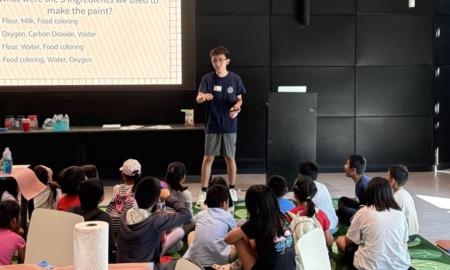
Students don’t just belong in STEAM classrooms. They belong at the front of them.
Students don’t just need access to STEAM experiences — they need to be trusted to build and improve them, argues a teen...
-

 764Opinion
Quality afterschool is worth the investment — It changed my life
Once an afterschool kid herself, Deja Martyr now runs the programs — and argues why cities must keep investing in them.
-

 820Opinion
Star Trek understands emerging adults better than policymakers do
Two advocates argue “Starfleet Academy” treats emerging adults better than U.S. policy does, even as youth justice reform loses ground.
-
 890Opinion
Young people need more than safer screens
Rural Youth Institute's Meg Taft argues Meta settlement dollars should fund real-world developmental relationships — not just safer apps — for young...
-

 836Opinion
Productive struggle, J Dilla, and knowing when enough is enough
“When it comes to achieving challenging goals, grit is necessary but not sufficient. The situation also matters — and to an astonishing...
-
 896From the Field
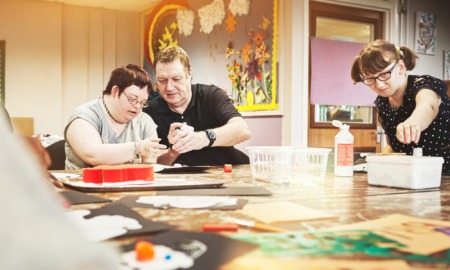
Mentorship for youth with disabilities should be a right, not a matter of chance
A RAMP mentor and participant show how disability-informed mentorship builds trust, skills and belonging for youth who need it most.
-

 952From the Field
Fashion Forward Kinspire showed me my future was possible: The people and principles behind it
For youth in kinship care, Fashion Forward Kinspire builds confidence and creative careers — told by a student, mentor and founder.
-

 956From the Field
When working can’t feed families, youth have to find a new way
Editor’s note: In just two years, a financial literacy platform started by a New Jersey teenager has grown into an international movement....
-
 1.4KOpinion
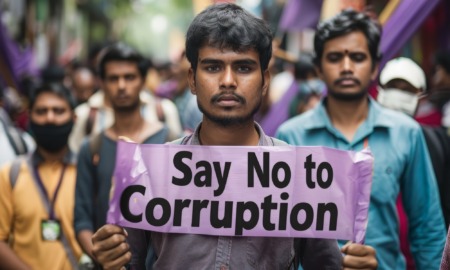
The moral power of youth today: India’s Gen Z protesters have set a unique global example
When a fraud-ridden exam system betrayed them, India's Gen Z protesters chose discipline over rage — offering the world a lesson in...
-

 1.0KNews
What Long Beach can teach communities about youth participatory budgeting
In 2026, more than 1,400 young people in Long Beach, California, voted on how to allocate $500,000 in public funding among 10...
-

 1.3KOpinion
Beyond the panic: Turning youth “AI anxiety” into strategic digital literacy
A career counselor says youth 'AI anxiety' isn't irrational — exploring its risks and benefits together can build trust and practical solutions.
-

 1.1KFrom the Field
What 25 years of addressing clothing insecurity has taught us about helping children thrive
While serving millions of children, Operation Warm has learned a coat does more than keep kids warm — it helps them show...
-

 1.3KOpinion
When the plan fails, change the plan
What if the plan is the problem, not the young person? Five field leaders make the case for asking youth why —...
-

 1.3KFrom the Field
Be seen: A simple activity for fostering deep relational visibility in youth groups
Many young people feel more visible than ever online, yet still unseen in real life. Jim Still-Pepper shares an activity to help...
-
 1.6KOpinion
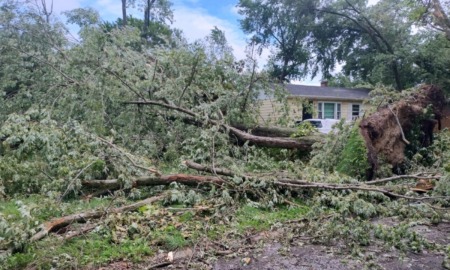
When the lights go out, whose children matter?
Will northwest Indiana's 2 week power outages lead to increased reports of child neglect?
-

 1.4KOpinion
The students we stop counting: Education, incarceration and the children left behind
South Carolina's school-to-prison pipeline, how the systems create a cycle of failure instead of support — and five solutions.