
Success in school and life depends on more than academic achievement. Students also need strong communication, social, emotional and self-advocacy skills. Most students develop these skills naturally as they engage on tasks and with peers. But sometimes services such as speech-language pathology, occupational therapy, counseling and psychology are needed.
Foundational skills create future opportunities
Speech and language services help young people develop communication skills that influence everything from classroom participation to future job interviews. Occupational therapy supports fine motor skills, organization, sensory regulation and daily living tasks that contribute to both learning and independence.
Building these skills typically requires specialized training and targeted interventions, alongside guidance from families, peers and teachers.
Professionals can bring a different perspective to student behavior. Rather than viewing a student’s struggles as misbehavior, they ask deeper questions: Is a sensory issue making it difficult to focus? Is a communication challenge preventing the student from expressing frustration? This shift in thinking leads to support and accommodations rather than punishment or exclusion.
Who is most likely to be overlooked?
Access gaps to basic and preventive services tied to race, income and geography remain significant in the U.S. These gaps overlap with other circumstances that increase young people’s risk of falling through the cracks.
Youth in foster care, juvenile justice settings, alternative education programs or unstable housing situations often experience interrupted services as they move between systems. Students who frequently change schools can lose access to evaluations and support plans.
[Related: I was that kid — and schools are still getting it wrong.]
English learners and children in multilingual households face additional challenges when communication differences are mistaken for language barriers.
And some of the most overlooked young people are those with quiet presentations. Students experiencing anxiety, depression or sensory regulation difficulties may appear compliant or withdrawn rather than disruptive.
When support is available early and consistently, challenges can be identified before they become larger barriers. Research has repeatedly linked early intervention to stronger academic outcomes, greater independence and improved self-confidence.
Partnering with schools and districts

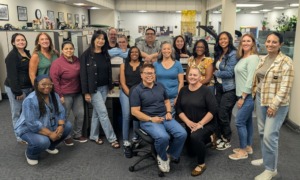
Courtesy of Kay Kelly
Kay Kelly
At eLuma, we work through school and district partnerships, where services are typically recommended by school teams and funded by district sources. eLuma is a leading provider of end-to-end student services for special education and behavioral health. Since 2011, we have partnered with nearly 500 K–12 school districts to improve student outcomes and empower school staff.
We know what a difference it makes getting students consistently connected to the right supports and how easily progress can be disrupted when systems are stretched or fragmented.
This is why eLuma is leveraging a national network of licensed providers to deliver high-quality, cost-effective therapy through an innovative service platform that offers virtual, hybrid and on-site school-based solutions. The platform helps school staff properly assess, screen and intervene to meet students’ needs while evaluating progress toward academic and behavioral goals.
But while schools are often the primary (and legally mandated) access point for specialized services, development doesn’t stop when the school bell rings.
Supporting continuity of care after the bell rings
A student’s sense of safety, belonging, communication skills and ability to navigate daily life continue to develop after school, on weekends and during breaks. When services disappear at those times, progress can stall and connections can be lost. That’s why our clinicians often offer:
- Active Individual Education Plan (IEP) and transition planning: Using IEP meetings to learn about extracurricular interests and treating transition plans as real roadmaps rather than compliance checks. Starting conversations as early as the first IEP meeting to find niche student interests and opportunities.
- Community resources and mapping: Supporting district community fairs that showcase local camps and programs. Clinicians have also built interactive Google-based resource maps embedded on district websites so families can easily filter local supports.
- Structured break planning: Giving families targeted activities to support skill carryover before winter and summer recesses.
- Provider and parent resources: Curating a summer resource directory for providers containing book lists, parent training guides, play-based supports and digital wellness tips. We also host an internal website with year-round parent resources for eLuma-connected email users.
When schools, families, clinicians and community organizations work together, students benefit from consistent support across environments. Community-based organizations, camps, extracurricular programs and youth nonprofits offer experiences that schools often cannot, providing space for students to explore interests, discover strengths and develop a sense of identity beyond academic expectations.
What youth-serving organizations can do today
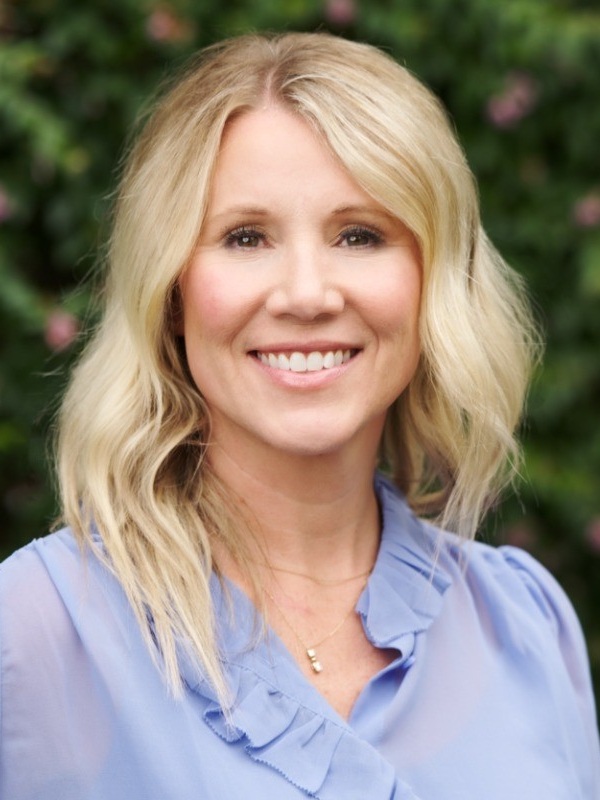
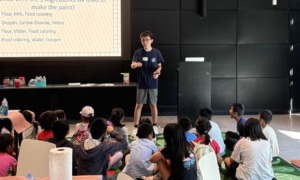
Courtesy of Kami Bible
Kami Bible
Community-based learning settings give students opportunities to practice and generalize skills in real-world contexts, from navigating peer relationships and managing unstructured time to building independence and self-advocacy. Their more flexible approaches that allow youth to join groups by interest rather than being sorted by age or academic progress provide chances for learners who struggle in the classroom to experience success. While challenges may arise, these more informal settings can foster resilience and growth.
With access to these experiences, students can thrive both inside and outside the classroom; without them, they may miss critical opportunities for connection, exploration and growth beyond the school day.
Supporting young people with behavioral challenges does not always require creating entirely new programs. Youth-serving organizations can:
- Train staff to recognize potential communication, motor, behavioral or sensory concerns.
- Focus on documenting observable patterns rather than assigning labels.
- Build inclusive environments through visual schedules, movement breaks, quiet spaces and predictable routines.
- Partner with local specialists for staff training and consultation.
- Increase visibility of programs and services while partnering with schools to help families access opportunities.
- Develop referral pathways that connect families with schools, clinics and community resources.
- Ensure that young people transitioning through foster care, juvenile justice systems or alternative education settings remain connected to support services.
- Provide schools with insights into the leisure and recreational skills students develop to ensure continuity of care.
When communities work together to provide coordinated care, young people gain the opportunity to participate fully, discover their interests and shape futures defined by possibility.
***
Kay Kelly, Ed.S., is mental health clinical services specialist at eLuma. She is a dedicated and experienced school psychologist with a proven track record in educational settings. Her expertise spans diagnostic assessment, counseling, intervention and advocacy, and she is passionate about supporting students across all levels and settings.
Kami Bible, OTR/L, MBA, is clinical services manager at eLuma. She is an experienced occupational therapist and clinical operations leader with more than 25 years of experience in school-based and healthcare settings. She specializes in advancing teletherapy services, clinical program development and compliance-driven care delivery across K–12 environments.