
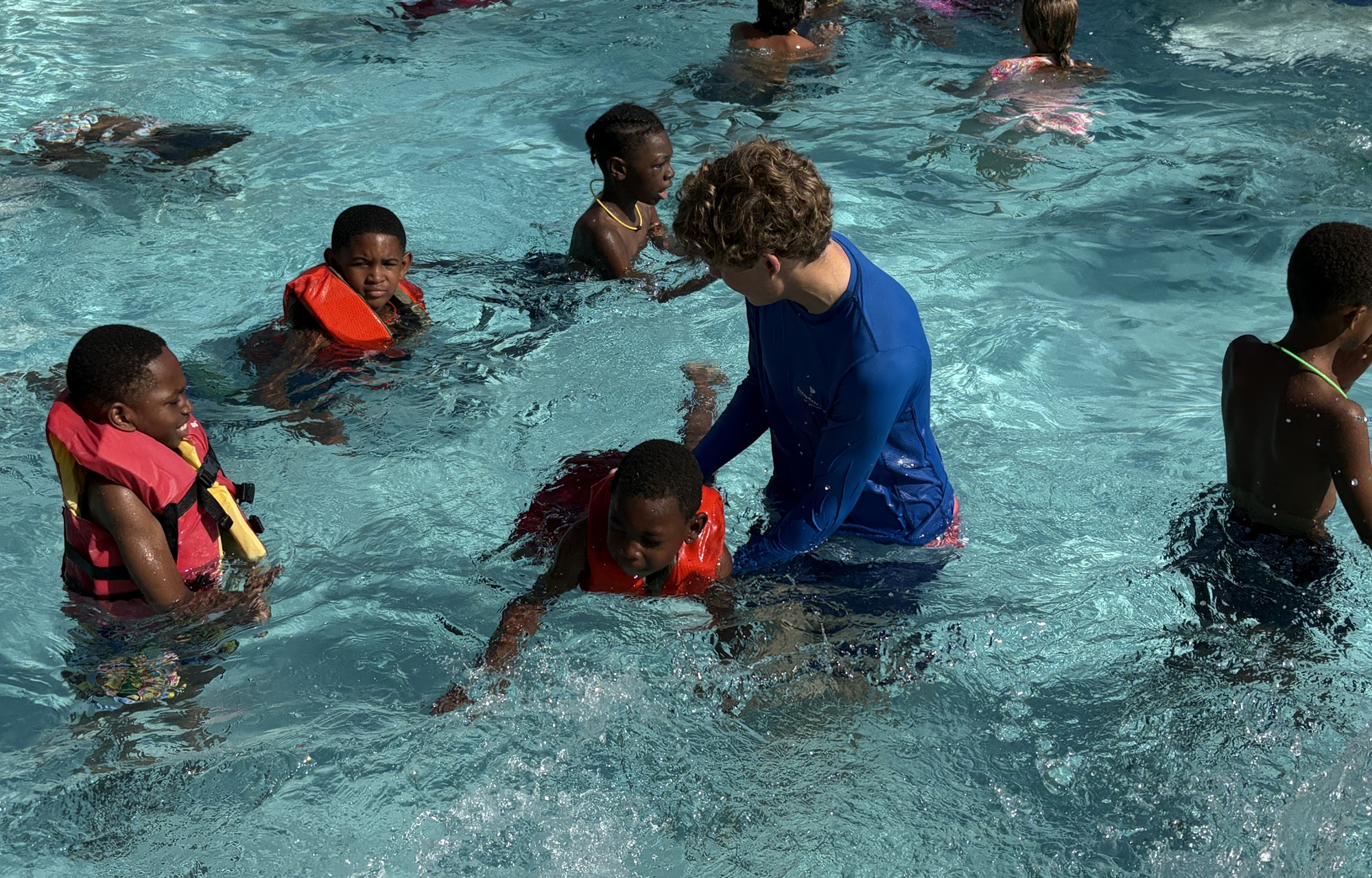
Last summer, I was in a West Augustine, Florida, pool holding a terrified 6-year-old named Terrell. He refused to get into the pool for our swim lesson.
Today, he’s swimming laps across the deep end.

But thousands of elementary-age kids across Florida have been left out of lifesaving swim lessons because the state’s voucher program cut off eligibility at age 4. Many under-resourced kids, including autistic children, tend to be older when they learn to swim. The system had left them behind.
After founding the Splash Foundation to fund swim instructors in West Augustine, an underserved community in North Florida, I realized the state’s swim voucher age limit was inconsistent with guidelines from the American Academy of Pediatrics and the YMCA.
More critically, the age limit failed autistic youth, who account for about one-third of Florida’s drowning deaths and tend to be older when they learn to swim.
My review of the data at FLHealthCHARTS.gov showed that drowning is the No. 1 cause of death among Florida children ages 0-9. That reality pushed me to pivot from local direct service to structural legislative change.
The legislative push
Alongside state Rep. Kim Kendall, we drafted HB 85 to expand access to lifesaving swim instruction for elementary-age children, with priority given to autistic youth. The bill drew statewide attention: Florida TaxWatch listed it among its top 10 legislative priorities for 2026.
The grit
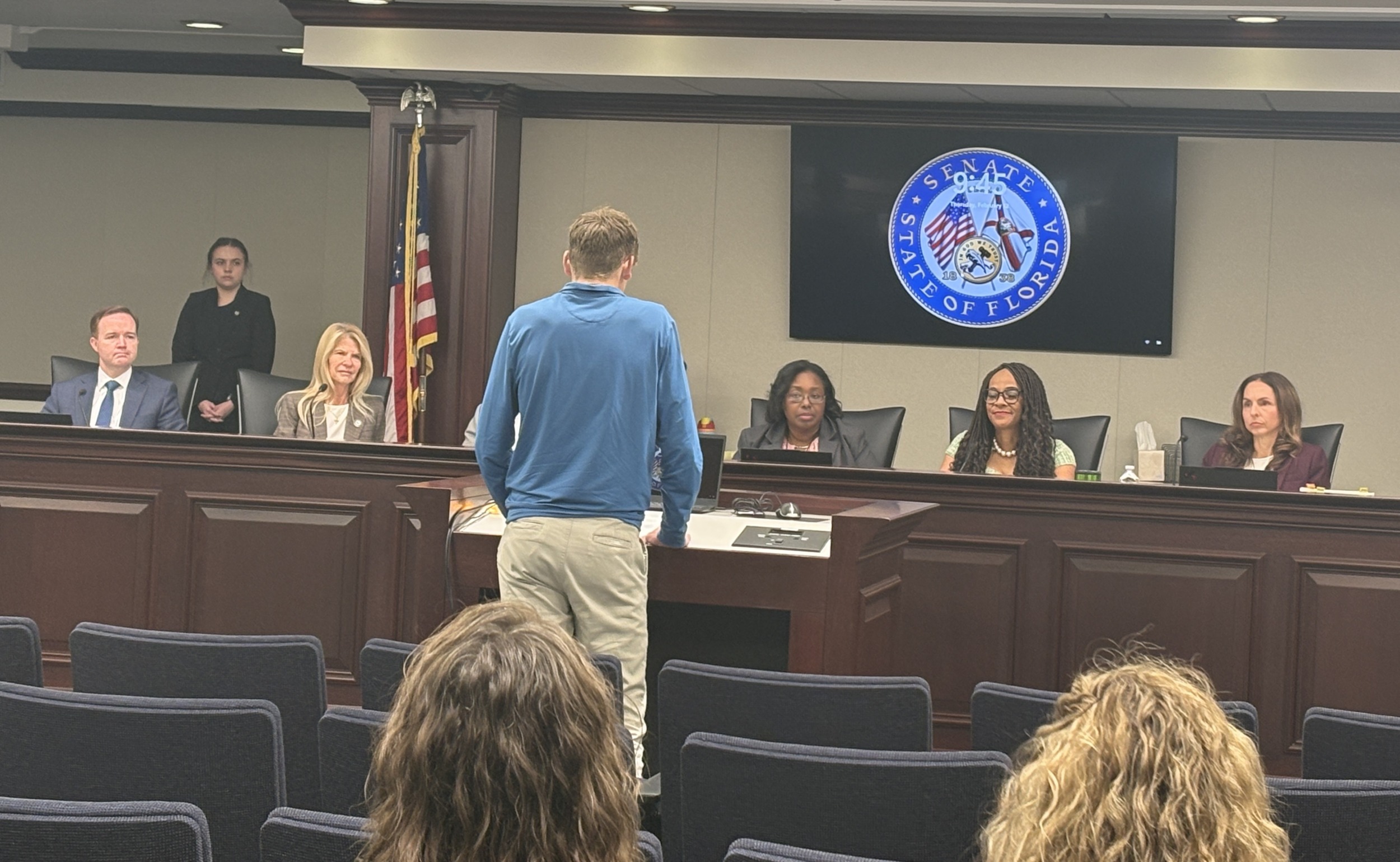
When adult politicians initially ignored my calls, I made six-hour round-trip drives to Tallahassee to lobby them in person, armed with targeted drowning data. The regional YMCA aquatics director joined me in meetings to back up my case.
Splash Foundation
Will Moffett stands before a legislative committee in Tallahassee to push for HB 85.
The unanimous victory
While most bills die in committee, ours achieved full bipartisan consensus — passing the full House 108–0 as HB 85 and the Senate 36–0 as SB 428. During committee hearings, emergency physician Dr. Corinne Bria of Nemours Orlando put the human cost plainly: she described “seeing a child carried into ER by a parent or brought in on a stretcher after drowning” — a scene she had witnessed 35 times in just the last three years. This new law directly addresses that frontline crisis.
Courtesy of Will Moffett
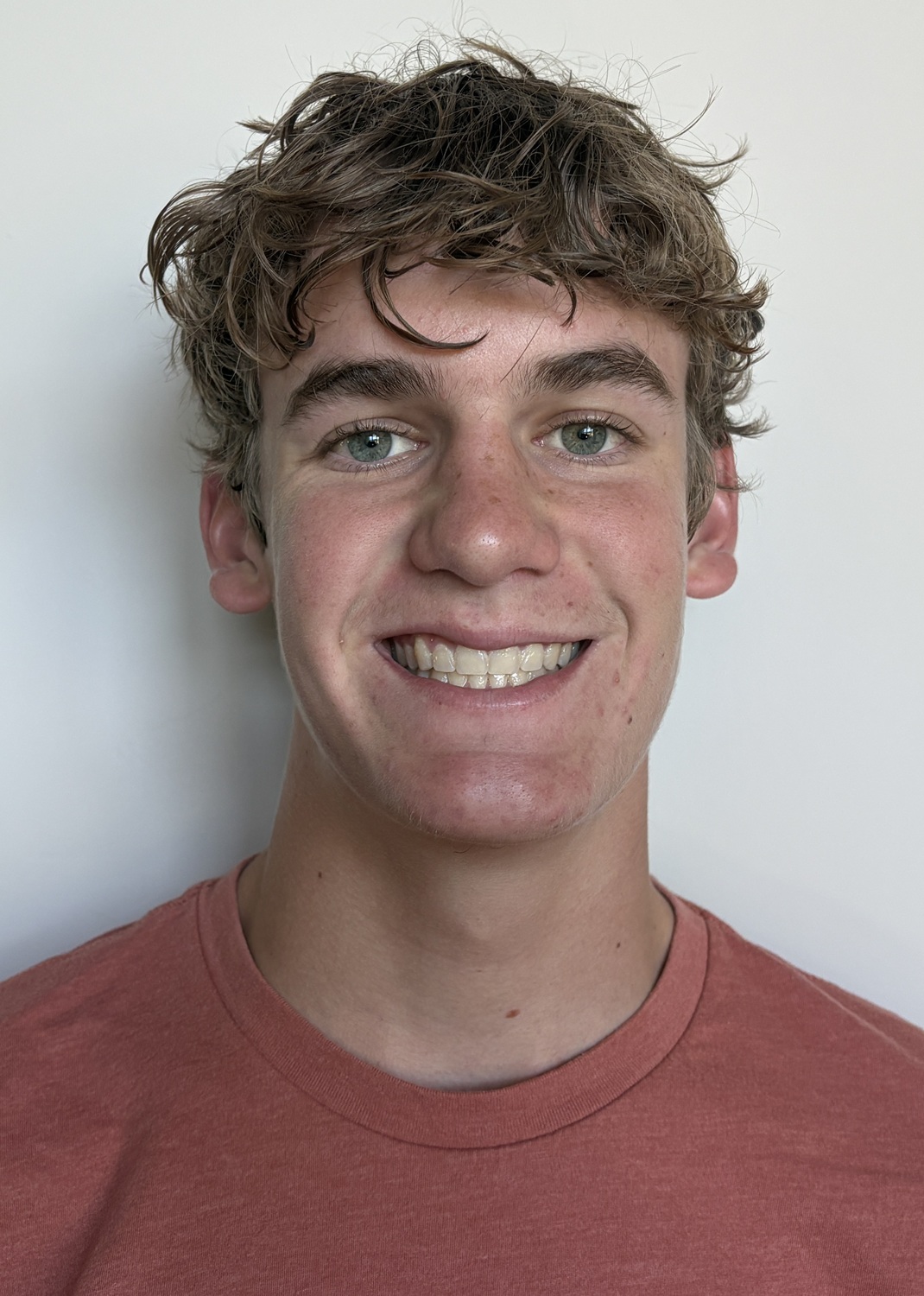
Will Moffett
Gov. Ron DeSantis signed the bill into law. It takes effect July 1 — and the YMCA estimates that approximately 20,000 Florida children per year will benefit from the expanded eligibility.
[Related: How Cureco is redefining youth-led health advocacy]
Our foundation is now shifting focus to public outreach to ensure families know their elementary-age children are finally eligible. We’re planning a launch event with the YMCA in July across several North Florida counties, with a full rollout planned across all of Florida’s 67 counties thereafter.
The model has momentum beyond Florida. I’m now working with youth advocates at Crossroads School for Arts & Sciences in California, where we’re teaching water safety in after-school programs and have reached out to Assemblymembers in a youth-led effort to push for funding AB 1005, a similar voucher program that just passed without an appropriation.
While this law is a major step forward for Florida, the broader story is about the power of youth mobilization.
Adult lawmakers will follow a youth-led initiative if the solution is backed by undeniable data and informed persistence.
***
Will Moffett, a rising junior at the Episcopal School of Jacksonville, initiated and lobbied for access to lifesaving swim instruction for under-resourced elementary school children statewide through Florida’s SB 428, which passed both chambers unanimously. Will is also an accomplished documentary filmmaker, Eagle Scout and avid mountaineer.