
The NBA Finals represented a tale of athleticism, comebacks and celebrity sightings.
The other story that can’t go untold is the way the New York Knicks demonstrated perseverance and vulnerability.
The team’s championship run is a masterclass in unpacking the stigma of talking about emotions, maintaining calm and caring for one’s mental health and that of those around us.
We’re breaking down how we saw each of the CASEL 5 social and emotional competencies show up in the Knicks’ game, on and off the court, along with the lessons we’re taking away as leaders invested in social and emotional learning (SEL).

Self-Awareness
The ability to understand one’s own emotions, thoughts and values, and how they influence behavior.
“Love the game, but don’t forget to love yourself.” Karl-Anthony Towns made it clear that you have to know and be confident in who you are.
[Related: The boys we’re losing — and the prevention we’re missing]
Mitchell Robinson has modeled self-awareness by acknowledging his mental blocks and how they may have affected his performance.
Both players have demonstrated self-awareness in ways that are rarely seen so publicly.
Self-Management
The ability to manage one’s emotions, thoughts and behaviors effectively in different situations and to achieve goals and aspirations.
If you look up the term “self-control” in the dictionary, there should be a picture of Jalen Brunson. His ability to remain calm during adversity is a lesson to children and adults (especially after there were at least two no-calls on what were clearly flagrant fouls, but we digress).
Additionally, Landry Shamet highlighted the intense self-management required to maintain emotional regulation over a grueling, months-long stretch without burning out.

Courtesy of Jen Curry
Jen Curry
Social Awareness
The ability to understand the perspectives of and empathize with others, including those from diverse backgrounds, cultures and contexts.
Social awareness in a team sport means recognizing the cues of others — which could be anything from being ready to catch the ball to needing extra emotional support.
Josh Hart has been given kudos from his colleagues for his ability to pay attention to others, make them laugh and provide extra support when it’s needed.
Relationship Skills
The ability to establish and maintain healthy relationships; to communicate, listen and collaborate; and to effectively navigate settings with diverse individuals and groups.
We don’t know the players personally, but to an outside eye it seems that Coach Mike Brown has invested in team building, creating spaces for connection and rituals that bring the group together.
Knicks President Leon Rose is also known for building trust and creating a family-like atmosphere to facilitate strong relationships.
Responsible Decision-Making
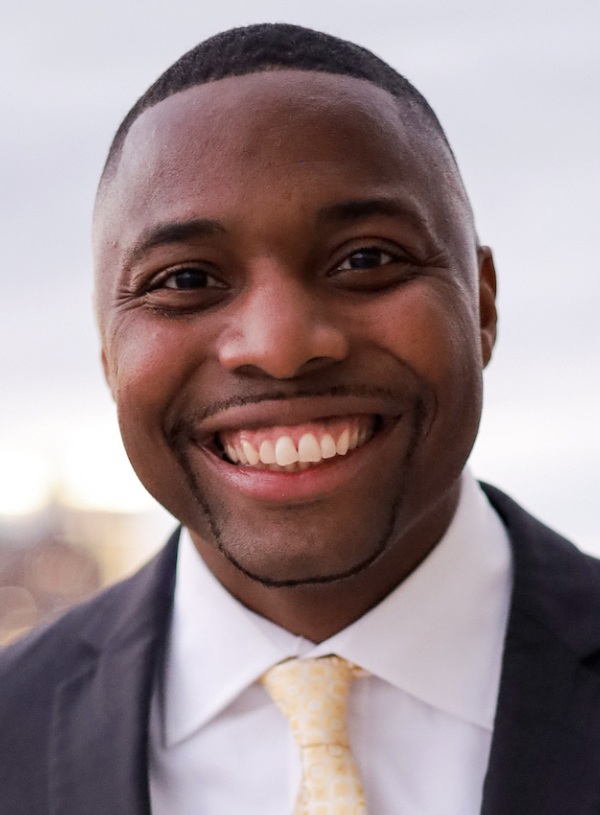
Courtesy of David Adams
David Adams
The ability to make caring and constructive choices about personal behavior and social interactions across diverse situations.
Basketball, like other sports, requires dozens of split-second decisions.
We watched players make decisions — with seconds to spare — that would alter the course of their careers forever. While these decisions may not have the same magnitude as others, the parallels are clear: When you have to make a big decision, show up ready, listen to your supporters, remain calm and think about your end goals.
While NYC celebrates, we’ll also think about how these SEL lessons inform our work in classrooms and afterschool programs for years to come.
We have the privilege of leading the City at Hope SEL Coalition, a group of education and youth development leaders in NYC committed to ensuring every person and every space serving children in NYC has the resources needed to provide quality social-emotional development opportunities.
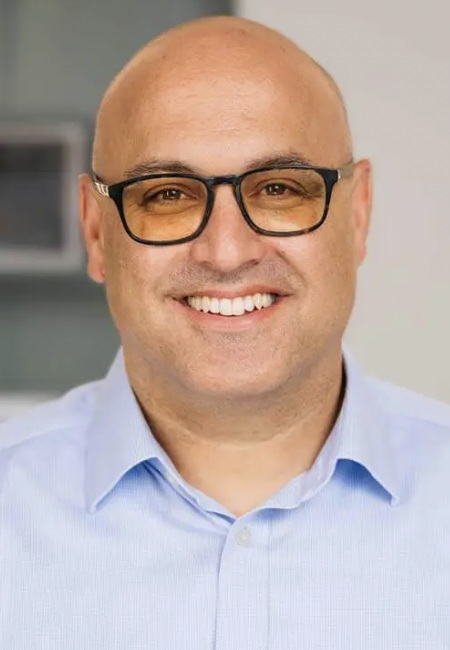
Courtesy of Itai Dinour
Itai Dinour
You can learn more about our coalition from our SEL Day webinar.
The key takeaway is that public-private partnership, representing diverse leadership serving children and youth, provides an important platform to increase collaboration, identify and fill gaps, and advocate for further investment.
[Related: I was that kid — and schools are still getting it wrong.]
For example, our landscape scan revealed a need to ensure programs both teach SEL skills and provide time to practice them; a gap in opportunities to develop Social Awareness; and adults working with kids need more training to meaningfully support SEL.
We developed a set of key recommendations that can strengthen SEL in NYC, including 1) aligning SEL citywide across agencies to create a shared approach to SEL and mental health across school, afterschool, youth workforce readiness and other programs; 2) strengthening school-community partnerships with an SEL lens; and 3) investing in educators’ and youth development professionals’ SEL learning and development.
Once the ticker tape has fallen, our coalition will work to ensure every child has an opportunity to build all five key skills modeled by the champion New York Knicks.
***
Jen Curry is CEO of Change Impact. David Adams is CEO of Urban Assembly. Itai Dinour is executive director of the Carmel Hill Fund.