
Youth Today
Opinion





-

 816
816The students we stop counting: Education, incarceration and the children left behind
South Carolina's school-to-prison pipeline, how the systems create a cycle of failure instead of support — and five solutions.
-

 773
773Manifest Destiny’s Child
Dan Warren traces a line from a famous 19th-century painting to today's well-intentioned but one-directional efforts to "fix" young people's lives.
-
 1.1K
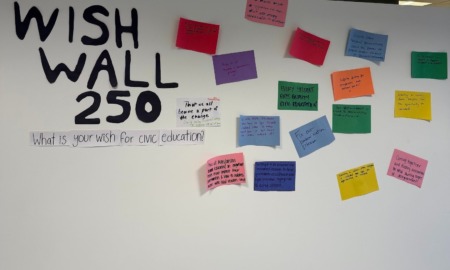
1.1KWe’ve celebrated America’s 250th. Now what?
When we invest in comprehensive, experiential civics education, America’s rising generation of leaders benefits — and so do the rest of us.
-

 1.2K
1.2KA flashlight on the life spaces of young people
Community youth surveys can illuminate where opportunities are plentiful, uneven or missing across the developmental ecosystem.
-

 1.2K
1.2KYou might also like: The problem with learning styles
While it stems from a generous and well-meaning instinct, the popular focus on fixed learning styles can be more restrictive than helpful.
-
 1.4K
1.4KThe skills are there. The opportunity is not. What the future of work is missing
World Youth Skills Day on July 15 draws attention to how young people are developing essential skills but still finding pathways to...
-

 1.3K
1.3K“A” for… no effort: High school grade inflation
A recent Texas high school graduate on what grade inflation looks like from inside the classroom.
-

 1.4K
1.4KExploring the trust gap: An open invitation
While we always ask youth to trust adults, young people must be recognized for their abilities and have that trust returned with...
-

 1.3K
1.3KNo youth thrives alone
The Thriving Youth Knowledge Exchange podcast discusses how to rebuild well-being, groundedness and agency to hold youth as they learn to hold...
-

 1.8K
1.8KKnicks in (the CASEL) 5: A blueprint for social-emotional competency
The Knicks' championship run is a masterclass in illustrating the social-emotional competency we all need to thrive.
-
 1.8K
1.8KThe boys we’re losing — and the prevention we’re missing
The emotional isolation of boys is shaped by long-standing norms that reward suppression and discourage vulnerability.
-
 1.6K
1.6KI was that kid — and schools are still getting it wrong.
Stark gaps in disability-rights enforcement contribute to school exclusion and youth criminalization despite federal legal protections.
-
 2.0K
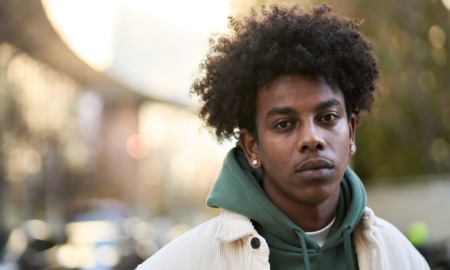
2.0KYoung people aren’t giving up — they’re losing trust
The results of the latest Harvard Youth Poll display the systematic erosion of the trust in society needed to create conditions for...
-

 1.8K
1.8KWhat kind of environments help young people become fully human?
Thriving emerges from developmental environments and relationships that help young people make meaning.
-
 1.7K
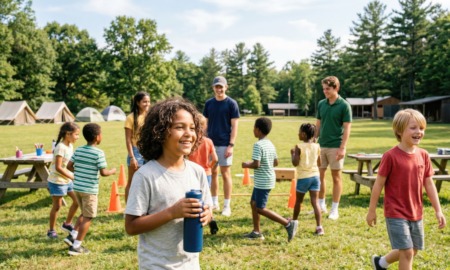
1.7KThe most important moments of abuse prevention aren’t always on the schedule
Abuse prevention lives in the unscheduled moments — and in the systems that support staff and protect youth.
-

 1.6K
1.6KKeeping it real
By emphasizing outcomes over youth engagement, are we lighting the flame — or quietly putting it out?