
Young people are often told they are “the future,”…
But what about the impact we can make right now?

We are students already doing exactly that. Cureco, which Siri and Saanvi co-founded and where Nora now serves as executive director, is a nonprofit focused on expanding access to basic medical resources for underserved communities while also redefining what youth leadership can look like in public health advocacy.
Across communities around the world, families still struggle to access essential medical supplies that many people view as ordinary. Items such as gloves, hand sanitizer, face masks and bandages are often inaccessible in low-resource communities, despite being some of the most basic forms of protection and care. While large systems continue working toward long-term health care solutions, there is also a need for community-based initiatives that can respond more immediately and directly.
Cureco’s founding grew out of a personal experience. When visiting India in 2024, Saanvi saw a girl sitting silently outside her aunt’s hospital. The girl was visibly ill but completely still, and her family could not afford care — even asking for help felt out of reach. That moment shifted Saanvi’s understanding of health inequity. Health inequity, she realized, was not just about access to treatment.
Inequality can shape whether people even feel allowed to seek support in the first place.
That realization became the foundation of Cureco’s mission.
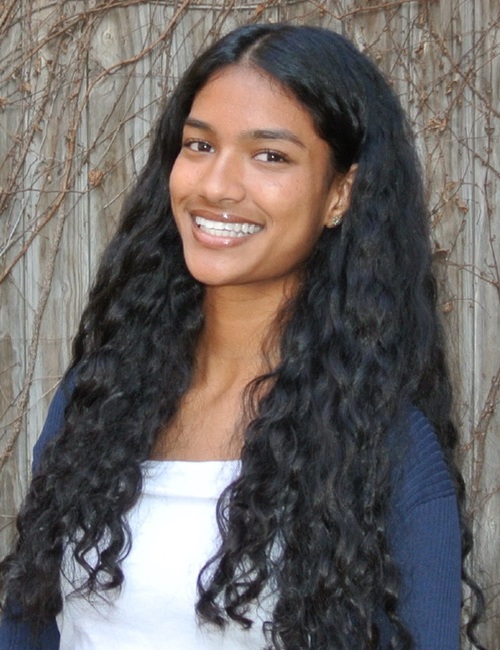
Courtesy of Saanvi Chepyala
Saanvi Chepyala, co-founder of Cureco
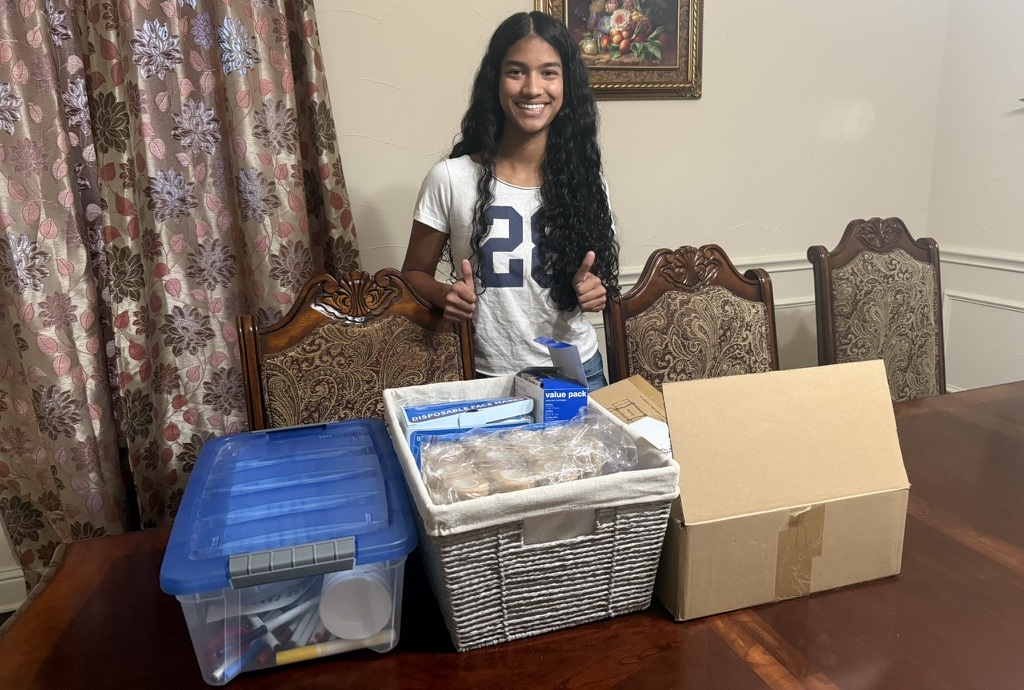
What began as a small student initiative has now grown into a youth-led organization with five chapters across Texas schools. Through partnerships with International Medical Relief and local community supporters, Cureco has assembled nearly 100 health care kits, supported communities in five countries, raised more than $5,000 and impacted more than 1,000 individuals through donations, outreach and volunteer engagement. Students involved in Cureco organize fundraisers, host CureKit events, lead chapter meetings and communicate directly with their communities about health equity and service initiatives.
More importantly, our work has demonstrated what positive youth development can look like when students are trusted with real responsibility instead of symbolic involvement.
Too often, youth participation in service work is reduced to volunteer hours or passive tasks. Young people are asked to support initiatives but not necessarily lead them. However, youth-led advocacy creates something much deeper than short-term involvement. It encourages long-term civic engagement, leadership development and community-centered problem-solving.
When young people are given ownership over projects, they begin to see themselves as active contributors capable of creating change right now rather than years into the future.

Courtesy of Siri Merugu
Siri Merugu, co-founder of Cureco
One of the biggest lessons learned through Cureco is that effective service starts with listening. It is easy to assume what communities need, but sustainable impact requires direct communication with local organizations, hospitals and community leaders. Through Cureco’s partnerships, young people learn to approach service not as “helping others” but as collaboration rooted in respect and community voice. That shift in mindset is essential for justice-oriented youth development work because it moves young people away from performative service and toward meaningful partnership-building.
[Related: We keep asking young people to trust us. But how much do we really trust them?]
Another lesson was that youth leadership works best when it is hands-on. Students become more invested when they are directly involved in organizing drives, speaking with volunteers and assembling kits themselves. During our first CureKit event, we expected mostly friends or classmates to attend. Instead, two students arrived after discovering Cureco through social media. They introduced themselves, asked questions about the mission and stayed to help assemble kits. It was a small interaction, but it reinforced something important.
Young people genuinely want opportunities to engage with causes that feel tangible and community-driven.
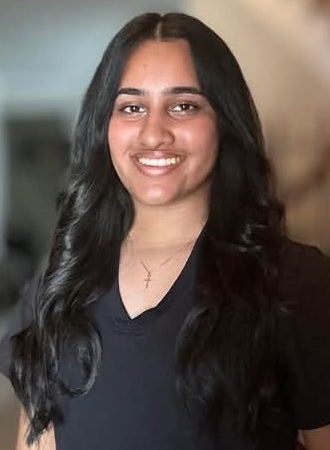
Courtesy of Nora Naveen
Nora Naveen, executive director of Cureco
Youth-led initiatives also create opportunities for cross-system collaboration, which is increasingly important across youth-serving fields. Schools, nonprofits, hospitals and community organizations all play a role in supporting young people and strengthening community health outcomes. We used support from our school, the Texas Academy of Mathematics and Science, to connect students interested in service, leadership and health advocacy. Partnerships with hospitals and organizations such as International Medical Relief allowed us to move beyond awareness campaigns and participate in direct community outreach efforts.
The future of youth development should move beyond viewing young people solely as recipients of support. Young people are also advocates capable of addressing challenges within their own communities.
Youth leadership should not be treated as symbolic involvement, but as an essential part of community change.
As young leaders, we saw a need to do something, and we did. If we want young people to become engaged leaders in the future, we must start by trusting them with leadership opportunities today.
***
Saanvi Chepyala and Siri Merugu are co-founders of Cureco, a youth-led nonprofit dedicated to expanding access to basic health care supplies in underserved communities. Nora Naveen serves as executive director of Cureco. Saanvi and Nora are students at the Texas Academy of Mathematics and Science in Denton, Texas. Siri is an incoming freshman at the University of Texas at Austin.
Editor’s Note: This article was originally published on June 24, 2026, and updated on July 29, 2026, with additional specifics re: the organization’s founding and the inclusion of Siri Merugu as a co-author.