
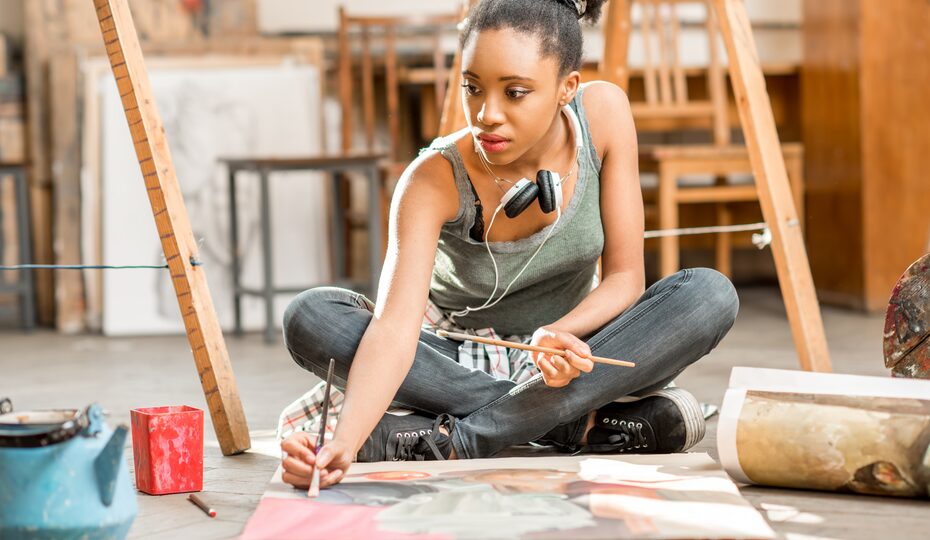
Growing up, I struggled with anxiety and OCD. When I started one-on-one therapy at age 10, I quickly discovered that using visual arts tools in my therapy sessions was an essential way for me to make progress in my mental health journey.
It was through art that I found another way to truly express myself.
Visual arts activities made me feel as if I had unlocked a new language that was allowing me to communicate and process complex emotions at a young age.
Hyde Square Task Force
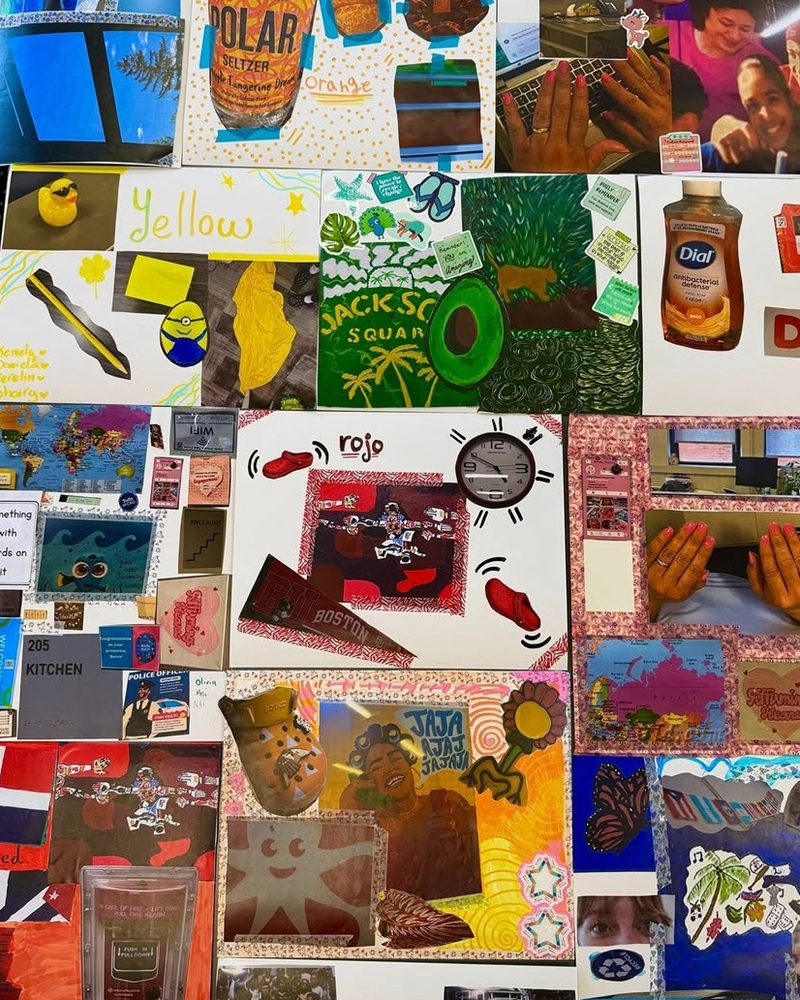
A collage of student art work.
As the well-being manager at Hyde Square Task Force (HSTF), a creative youth development nonprofit dedicated to empowering Afro-Latin youth, I have found my own experiences with visual arts to play an integral role in the mental health services I provide for youth. HSTF serves youth from 6 to 25 years old, most from the Boston Public Schools, to provide comprehensive support programming, with a primary focus on Afro-Latin arts training, education and civic engagement.
I initially started integrating visual arts tools in my one-on-one social-emotional support sessions for youth as young as 14 all the way to 25 years old. Similar to my own experience with therapy, I witnessed how integrating visual arts tools into my sessions was an effective way for youth to both process and control emotions.
[Related: Big Thought — The ecosystem intermediary behind Dallas City of Learning]
Recognizing that many young people may have been nervous to start one-on-one sessions or find it challenging to verbalize their mental health needs, I found that incorporating visual arts within wellness workshops became a way to open up mental health discussions for more youth. Expanding this opportunity on a group level broke down the intimidating stereotypes often associated with mental health needs.
Nationally, our youth are facing a mental health crisis. More than 1 in 7 youth aged 6 to 17 experience a mental health disorder. Depression, anxiety and behavioral disorders are also among the leading causes of illness and disability among adolescents.
Studies show that art therapy techniques are a particularly effective tool for processing emotions, while improving emotional regulation and self-esteem. Wellness workshops have become an essential way to break down the stigma against intimidating mental health topics, allow youth to creatively express their needs and help them form connections with peers.
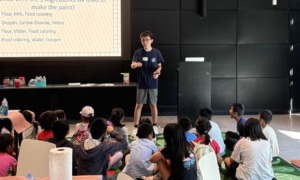
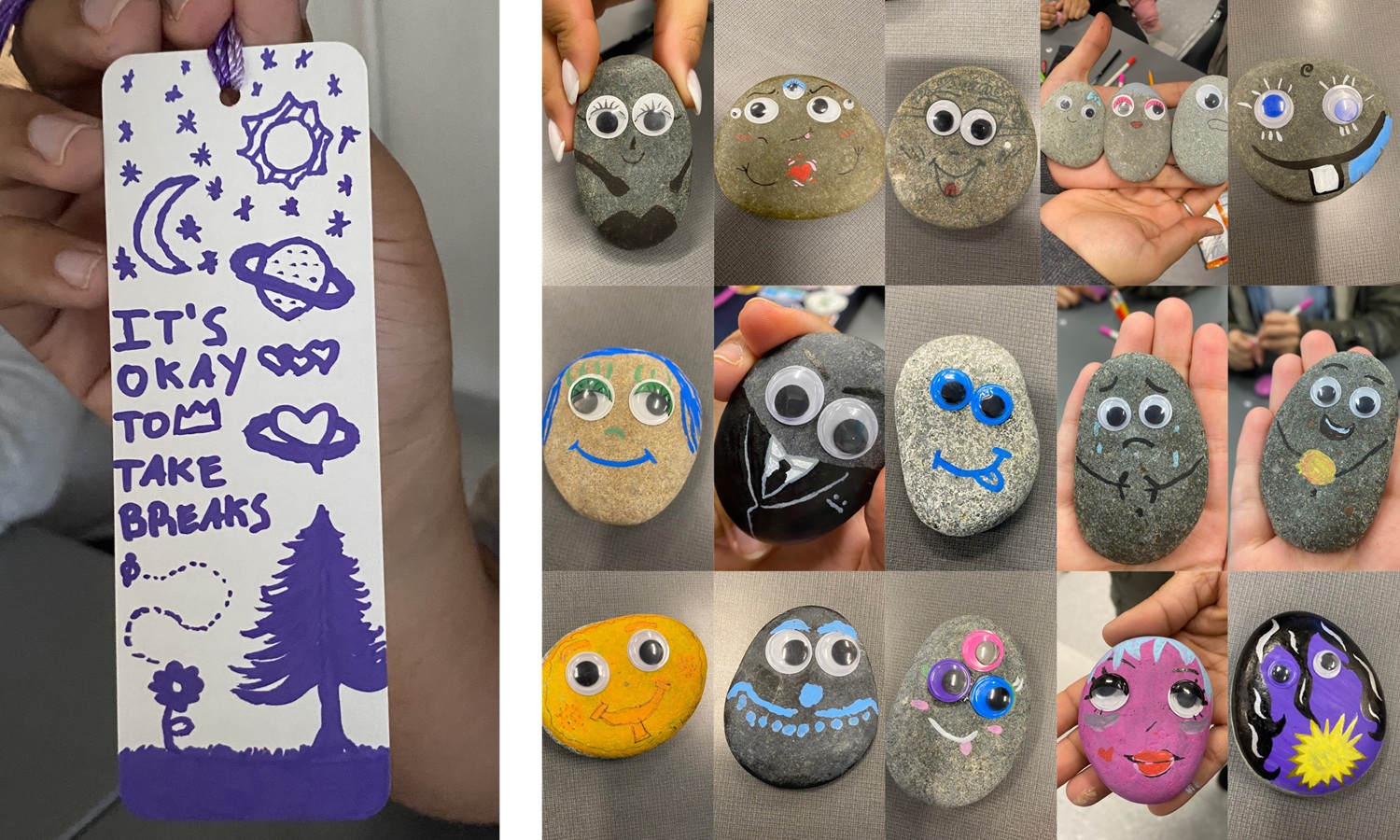
Each wellness workshop, divided by grade level or art form, focuses on a broad mental health theme to pair with a visual arts activity. The theme is briefly explained at the beginning of the workshop while youth are also given opportunities to ask questions and discuss with each other. In a recent “inner-critic” themed workshop, each youth painted a character on a rock that visually represented their inner feelings. Some painted bright, silly inner critics while others painted characters in a suit and tie to represent an inner critic that felt more stern.
Hyde Square Task Force
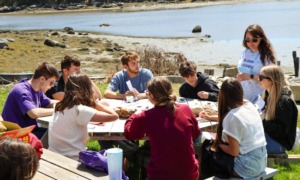
Students show off their art pieces made in a wellness workshop.
These characters made for a tangible item youth could bring home as a reminder of how to deal with complex inner emotions, while also bridging trusted connections with me and their peers.
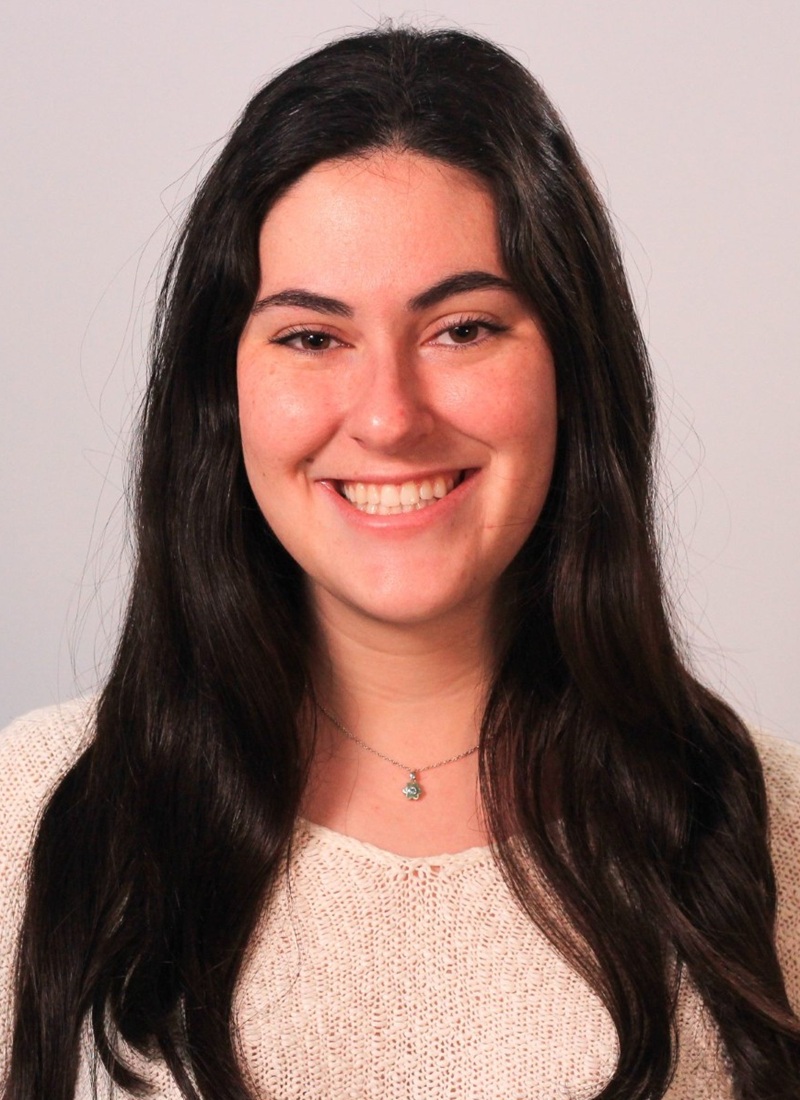
Courtesy of Rebecca Kamins
Rebecca Kamins
In another more open-ended workshop, youth worked together in small groups to create their own “mental health product.” The instructions were simple: Think of a common mental health challenge and come up with a tool that aims to address it. It allowed youth to apply their problem-solving and design skills to mental health obstacles they often face themselves. With limited guidelines, it was truly impactful to see what youth created. Teams wrote comic books about lessons on mental health, made jewelry, wrote poetry or created a playlist with cover art, all within the theme of producing a mental health tool using visual arts.
[Related: Dance builds the skills young people need. I credit dance with my pursuit of medicine.]
As a result of the workshops, youth have begun demonstrating individual accountability to set their own mental health goals and reminders. For example, some have been bringing their “inner critic” rocks to programming as a fidget or reminder, or attaching bookmarks they made to their backpacks with motivational messages. Youth have also asked for extra workshop materials to keep creating and have even signed up for one-on-one sessions for the first time.
Pairing otherwise intimidating mental health topics with visual arts activities mitigates the stigma around mental health and allows for a calmer experience while processing heavier topics. In this workshop setting, youth have the autonomy and free expression to begin the journey of achieving their mental health goals in a way that feels best for them.
***
Rebecca Kamins, a licensed certified social worker, is the well-being manager at Hyde Square Task Force, a Boston-based afterschool nonprofit dedicated to empowering Afro-Latin youth.