

Sometimes the most profound things get said in the middle of an ordinary conversation.
I was talking with my good friend Victor the other day. Just talking. I started reflecting. Looking back. Predicting what is coming, including the parts you may never live to see.
In the middle of all that, he said something that stuck with me. It stuck so hard that I stopped him and asked him to say it again.
“No one ever figures it out in the middle of survival.” — Victor Wilburn
Victor is a professor and department chair at Southeast Missouri State University, where he leads the Department of Child and Family Studies.
I am the former director of Missouri’s child support program. I spend most of my time now working with young adults, teaching people how to think. How to solve problems before problems solve them. Victor’s words stuck with me because they sum up the differences between the two parts of my career.

You can’t learn to swim when you’re drowning
When you are deep in the problem, that is the worst possible time to try to solve it. Your brain is trying to keep you alive. It is very hard to make sound long-term decisions when you feel like you are about to drown.
I have watched this my whole life. In myself. In the families I worked with. In the young people I mentor.
The mind under pressure does not plan. It reacts. And reaction is a poor substitute for foresight.
If you work with young people, you have seen it. The teenager who will not talk about her housing situation because she fears the state will put her in foster care. The young man who will not deal with the license suspension until he is standing in front of a judge. They are not careless. They are in survival mode, and survival mode has no room in it for next month.
When I worked in state government, half of each day was consumed by human resources and procedural issues. And the help offered in the other half was too late. Collecting the payment was not the real problem. The real work was upstream of the case file entirely, with kids who had not yet become parents and still had a say in whether or when they would. With that in mind, we built a program to work with kids years before anyone opened a case.
When I left the department, I leapt at the chance to work with people full time. The system gave me reach. Mentoring gives me proximity. I miss the reach some days, but proximity is where the habit actually gets taught.
Taking the pressure off
A timed test is survival mode. You sit down, the clock starts, and your only job is to pull the right answer out fast and move to the next one. That is not thinking. That is reacting. We spend 12 years training children to react under pressure, then wonder why they cannot plan their way around a flat tire.
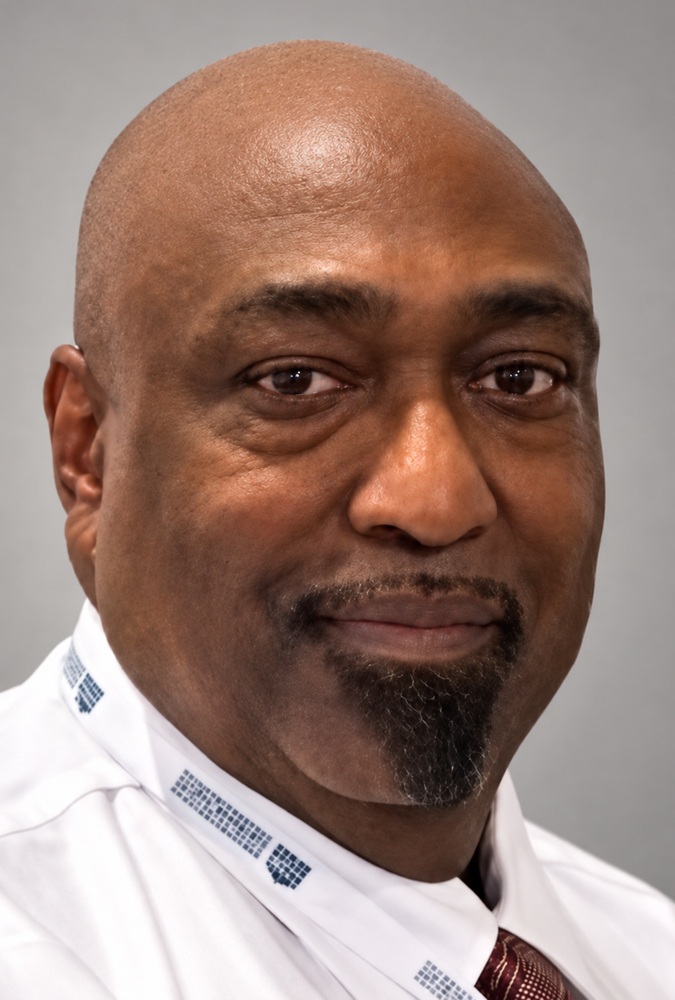
Courtesy of John Ginwright
John Ginwright
So I teach it a different way, when the water is calm and nothing is wrong. I ask a young person to name something in their life that is working just fine right now. Their job. Their car. The roof over their head. Then I ask the question that makes people call me a pessimist. What is the worst thing that can happen here. We walk it out together, one step at a time, while there is still room to do something about it. Sort of like practicing finding the exits during a fire drill.
My granddaughter stayed with me this summer. It was the first time in 15 years I had had a teenager living in my house. I got a chance to watch the cost of her skipping the fire drill.
She told me she just had bad luck: Her car broke down. She felt out of control. I stopped her. I said, “Think about this for a minute. I know your car broke down. But I also told you that if you did not get that oil leak fixed, it could turn into a bigger problem. You did not fix it. And now you are calling it bad luck.”
She got quiet, then admitted I was right, which surprised me. It was not the first time I had tried this with her this summer, but it was the first time she did not argue back.
Her fallback mode, like most 18-year-olds I know, is to call the outcome luck rather than trace it to the decision.
I am not sure that is a generational trait so much as a human one. But I got more chances to catch it when she was under my roof.
Building a lifelong habit
So here is what I would ask of anyone working with and for young people. Do not wait for the crisis to build the skill. The intake meeting is not the place. The emergency is not the place. Pick a calm week, when nothing is on fire, and walk one young person through one thing in their life that is working right now. The car. The grades. The team. Ask what would break it. Ask what it would cost. Ask what they would do about it. Then write it down somewhere they can find it later.
It takes 20 minutes and it does not require a curriculum. And it is the one thing they can still use when you are not in the room. Because my friend was right.
No one ever figures it out in the middle of survival.
***
John Ginwright is founder and CEO of Ginwright Professional Services, a consulting practice serving state human services agencies. He spent more than 30 years in Missouri state government, most recently as the state’s child support director and deputy director of the Family Support Division. He now writes about public-sector technology, leadership and the human side of policy, with essays in Route Fifty, Elephant Journal and SmartBrief (forthcoming).