
The Rural Youth Institute (RYI) welcomes the landmark settlement with Meta as an important step toward accountability for the impact social media platforms have had on young people. The agreement requires meaningful changes to how Meta’s platforms are designed and used by children and teens and, importantly, it directs resources toward addressing the harms experienced by young people.
But accountability is only the beginning.
If we are serious about helping young people thrive, we cannot measure success only by how much time they spend online or how effectively we make digital platforms safer. We must also ask a more fundamental question:
What are we building for young people in the real world?

At RYI, we see every day what young people need: relationships that endure, trusted adults who show up, peers who know and value them, opportunities to explore who they are and who they might become, and communities where they feel that they belong.
These things cannot be delivered through an app.
The Aspirations Incubator, RYI’s long-term, community-based mentoring model, is built around a simple premise: young people thrive when they have sustained relationships with caring adults and meaningful connections to their peers, their communities, and their own futures. Across rural Maine, our network of youth-serving organizations creates the conditions for those relationships to grow over years, not minutes, clicks or sessions.
[Related: What kind of environments help young people become fully human?]
That is the infrastructure young people need.
The Meta settlement creates an important opportunity to invest in it.
And this is bigger than Maine. Fund IRL (“in real life”) is providing national leadership in advocating for settlement resources to be invested in the real-life experiences, relationships, and community supports that young people need to thrive. RYI is proud to be part of this broader effort, working in partnership with national, regional, statewide and local leaders to ensure that these resources translate into meaningful opportunities for young people in the communities where they live.
We believe settlement resources intended to address youth harms should reach the places where young people actually live their lives: afterschool and summer programs, mentoring, outdoor and experiential learning, arts and sports, mental health supports, and community-based youth development.
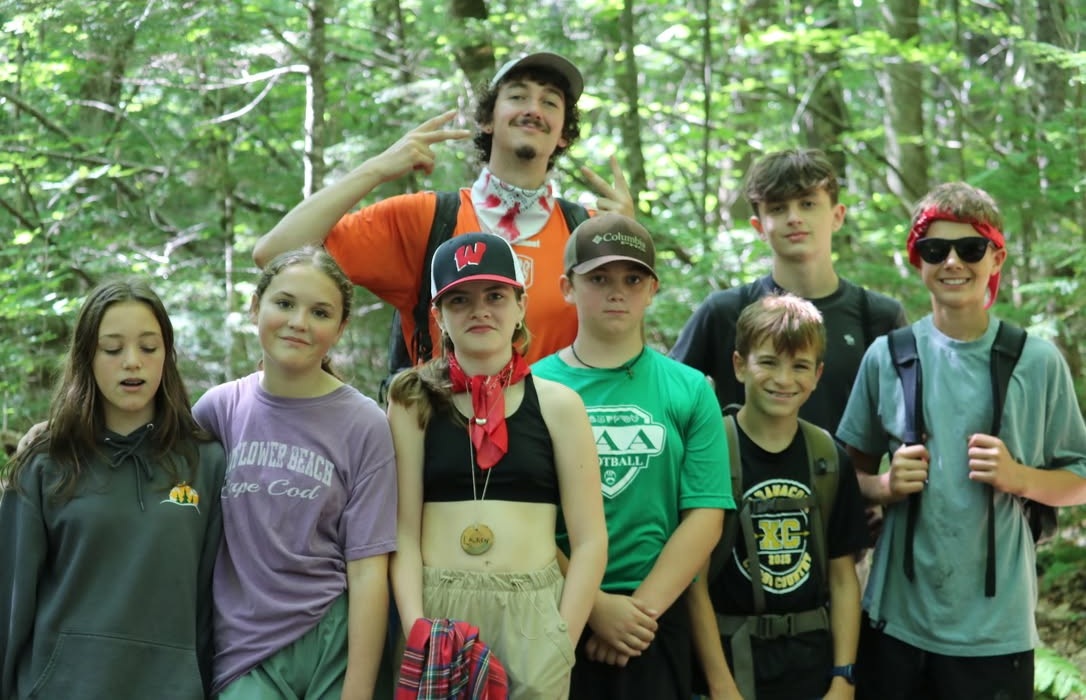
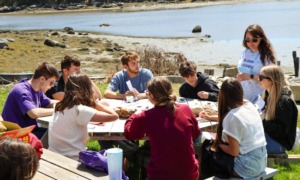
University of Maine, NorthStar 4-H
NorthStar 4-H participants prepare for an outdoor expedition alongside a program mentor.
For rural communities, this investment is particularly important. Rural young people deserve access to the same rich networks of relationships, opportunities and support that young people everywhere need, but too often face fewer resources and fewer accessible options close to home.
We should not simply take something harmful away from young people and leave a vacuum behind. We need to fill that space with something better.
That means investing in the social infrastructure that makes belonging possible. It means supporting the adults and organizations who create places where young people can be known, challenged, encouraged and valued. It means giving young people opportunities to build friendships, develop skills, explore their aspirations, contribute to their communities and experience the world beyond a screen.
The settlement sends an important message:
The well-being of young people cannot be an afterthought to a technology business model.
Now, states have an opportunity to send an equally important message through how these resources are invested. Together, we have an opportunity to ensure that settlement dollars don’t simply address the harms of the digital world, but help strengthen the real-world conditions in which young people thrive.
Young people don’t need more digital substitutes for connection. They need more opportunities for real connection.
At RYI, we believe the next chapter of this work should be about more than making technology safer. It should be about making young people’s lives richer, with relationships, belonging, purpose, opportunity and community.
The settlement can help us do that.
Let’s use these resources to fund real life.
***
Meg Taft is executive director of the Rural Youth Institute, a Maine-based nonprofit dedicated to strengthening youth development in rural communities through its Aspirations Incubator mentoring network. With more than 25 years of experience in education and equity-focused leadership, she builds partnerships, systems and long-term mentoring approaches that expand young people’s aspirations and opportunities.