
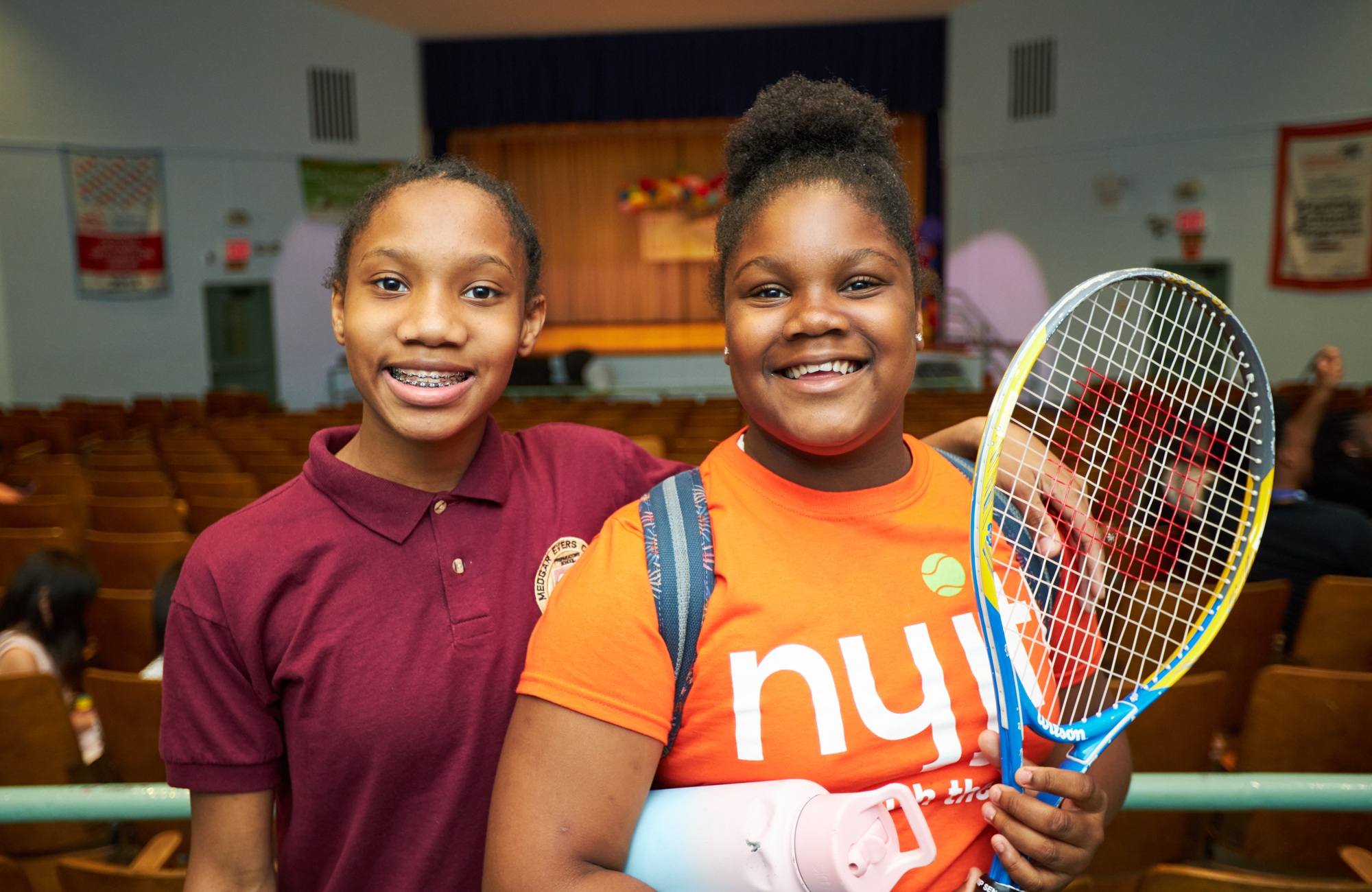
I grew up in East Flatbush, Brooklyn, raised by immigrant parents from the Caribbean island of St. Lucia. When I was in fourth grade, my parents told me they were getting a divorce. In need of childcare, my mother enrolled my brother and me in an afterschool program run by the nonprofit New York Junior Tennis & Learning (NYJTL) at P.S. 219, our public elementary school in Brooklyn.
I had no idea the program would change me forever.

About me
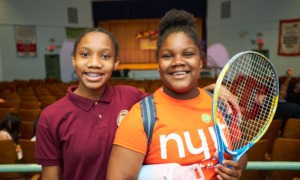
I was a shy kid, happiest with a sketchbook in my hands. My mother wanted me to spend time with other children and build confidence. NYJTL’s program, ACES Afterschool (Academic Career Essential Skills), was a free program offered in the school building that introduced me to tennis, chess and fitness, and at the same time, gave me stability as I adjusted to shuttling between my parents’ apartments.
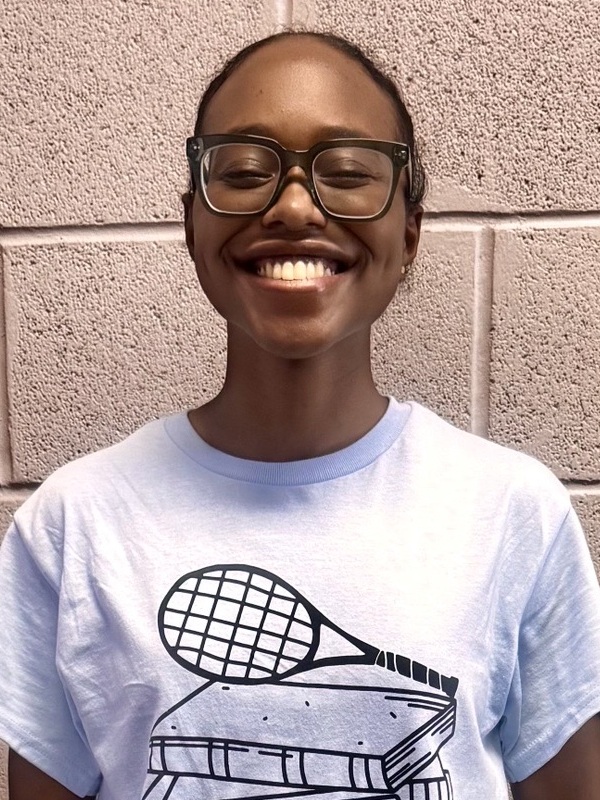
Courtesy of Deja Martyr
Deja Martyr
Just as significantly, the program filled me with a sense of promise and possibility. One August morning, we got to attend Arthur Ashe Kids’ Day at the US Open. Walking into Arthur Ashe Stadium for the first time, the world felt much bigger than East Flatbush. But the most important thing the program gave me was confidence. I learned how to navigate change, build relationships and believe in myself. Those are social-emotional skills, though I didn’t have that language for them at age nine.
One thing I remember noticing was how much better I became at playing and working with my peers. I never gave up, and I was proud of how quickly I improved. I became so fast in relay races that everyone wanted me on their team. But I wasn’t a natural at everything, and the coaches were always very encouraging. When I wasn’t grasping the concepts of the games, they would put themselves in my shoes and try to think of ways to support me.
My experience with ACES led me to join another afterschool organization — the Sports & Arts in Schools Foundation (SASF, now New York Edge) — where I continued to grow:
During the summer of 2015, I became a Youth Council in Training participant through the Summer Youth Employment Program (SYEP).
From 2015 to 2018, I worked with SASF in several roles, including group leader, activity specialist and site supervisor.
In 2018, I joined NYJTL because, over the years, I had stayed in touch with the SASF art specialist who worked with me. She went on to become a program manager at NYJTL. She offered me the opportunity to join NYJTL as an assistant site director.
At NYJTL, I have continued to grow, advancing through multiple leadership positions, including program director and community school director. Today, I’m an ACES Afterschool program manager, running programs at different schools across New York City.
About ACES
ACES is one of the largest afterschool programs in New York City, offering tennis, fitness, wellness and nutrition education, and year-round academic support including STEM, literacy, arts and field trips — all free to families. Twenty of 33 programs take place in Title I-eligible schools, which receive federal funding to support students from low-income families.
In today’s post-COVID world — with the perils of social media, screen time and an increasingly divided society — social-emotional learning is more critical than ever. That’s why ACES now employs curricula such as Positive Action, focused on boosting students’ emotional regulation, self-awareness, communication and leadership development. These include group activities that require students to work collaboratively, listen to peers’ ideas, resolve disagreements and cope with setbacks when things don’t go as planned.
Additionally, with support from the Mother Cabrini Health Foundation, NYJTL has part-time social workers at ACES schools across New York City who, guided by a full-time social worker, work with students who show anxiety, depression and stress. We’ve trained 200 staff members in Mental Health First Aid, a system of tools to check in with students, support mental wellness, improve self-esteem and strengthen emotional self-regulation.
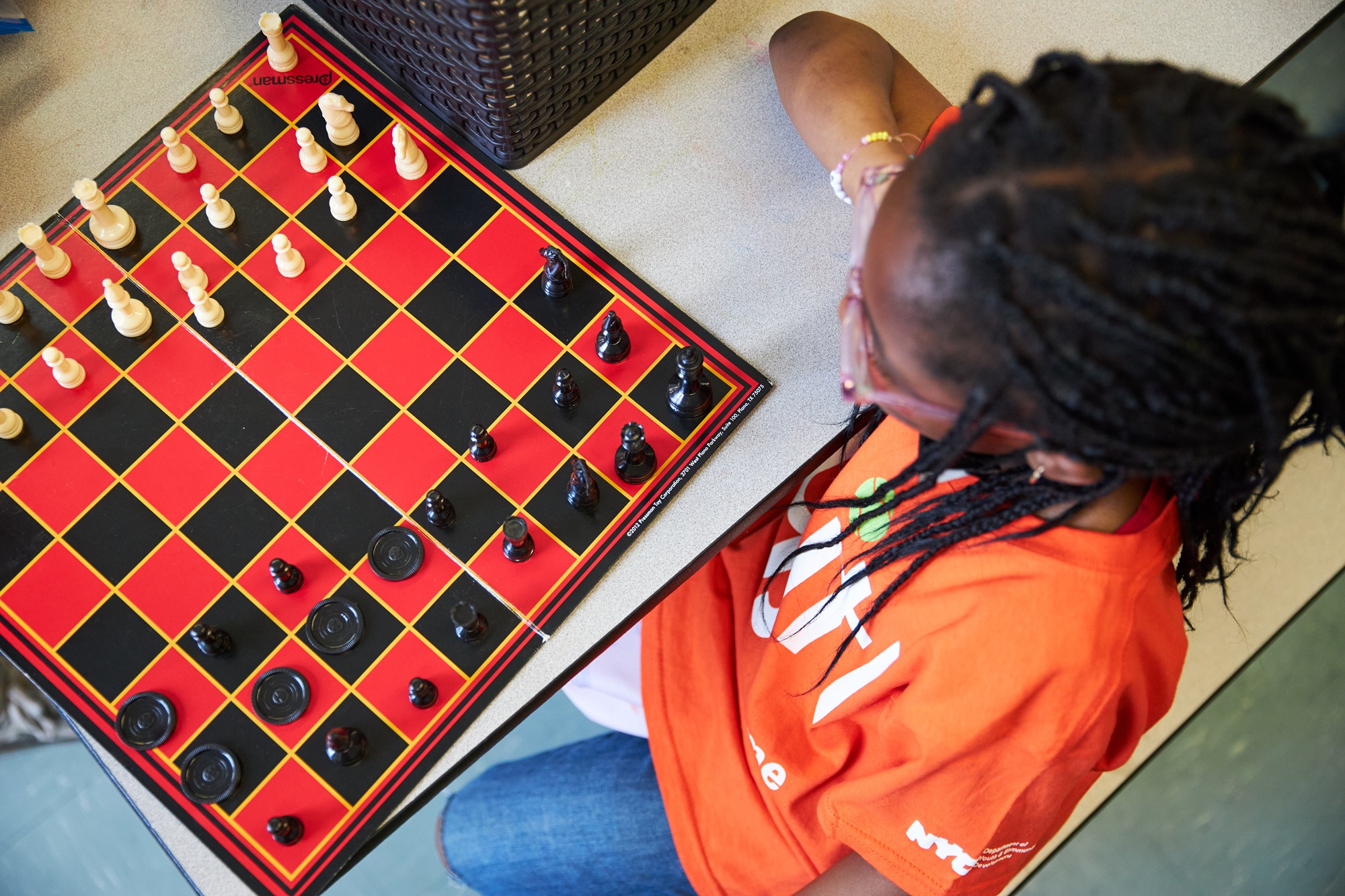
Simply participating in activities such as sports with peers in an afterschool program can also boost social-emotional well-being. During the peak of New York City’s migrant crisis, a recently arrived Venezuelan student joined our program. She was living in a family shelter. At first, she hesitated to participate and struggled to communicate with coaches and staff.
When she finally tried out for the ACES tennis team, she began advocating for herself. Tennis became her way of connecting to staff and other students. Recognizing her enthusiasm, positivity and perseverance, we awarded her a Virtue of the Month Spotlight Award for Self-Esteem.
[Related: Unmet demand for afterschool programs is painfully high — 3 in 4 youth missing out]
NYJTL’s outcomes data bears this out. More than eight out of 10 ACES participants demonstrated high pro-social skills such as leadership, collaboration and empathy, and more than three out of four said they feel close to others at school, happy to attend and safe. On pre- and post-program surveys, participants showed a 47% improvement in stress management and a 21% increase in emotional awareness.
Other afterschool programs across the country have produced similar benefits. In a large-scale national survey by the Afterschool Alliance, 79% of parents said afterschool programs support children’s mental health and well-being, and 76% said afterschool programs help children form meaningful connections with caring staff.
About NYC’s investment in youth and the youth services workforce
New York City has answered this nationwide need for support by funding a massive network of free afterschool programs that serves more than 100,000 students every day. By backing the hours after the final bell with serious public funding, the city does more than provide childcare — it actively strengthens youth mental well-being and social-emotional resilience. Other states and cities should follow New York’s lead and commit the sustained resources needed to give children these vital emotional lifelines.
But afterschool programs depend on a stable, supported workforce, which is why the NYC Department of Youth and Community Development Commissioner’s presence and remarks at the State of the Sector convening were so important: “Universal afterschool depends on a stable, supported workforce.”
Years ago, I entered afterschool because my mom needed help taking care of her kids. I chose to pursue a career in youth development because many of my favorite childhood memories came from participating in afterschool programs. The mentors and staff at SASF and NYJTL inspired me to believe that my future could be bigger than my circumstances and created pathways for me to give back and create similar opportunities for future generations.
Strong afterschool programs don’t just care for children after school.
With great intentionality, they provide opportunities that help shape the adults they become.
***
Deja Martyr is an ACES Afterschool program manager with over nine years of experience in the youth development field at New York Junior Tennis & Learning. In her current role, she oversees afterschool programs across multiple sites, leading initiatives that support young people through tennis, education and positive youth development. She is dedicated to helping students build character, confidence and life skills that contribute to long-term success.