
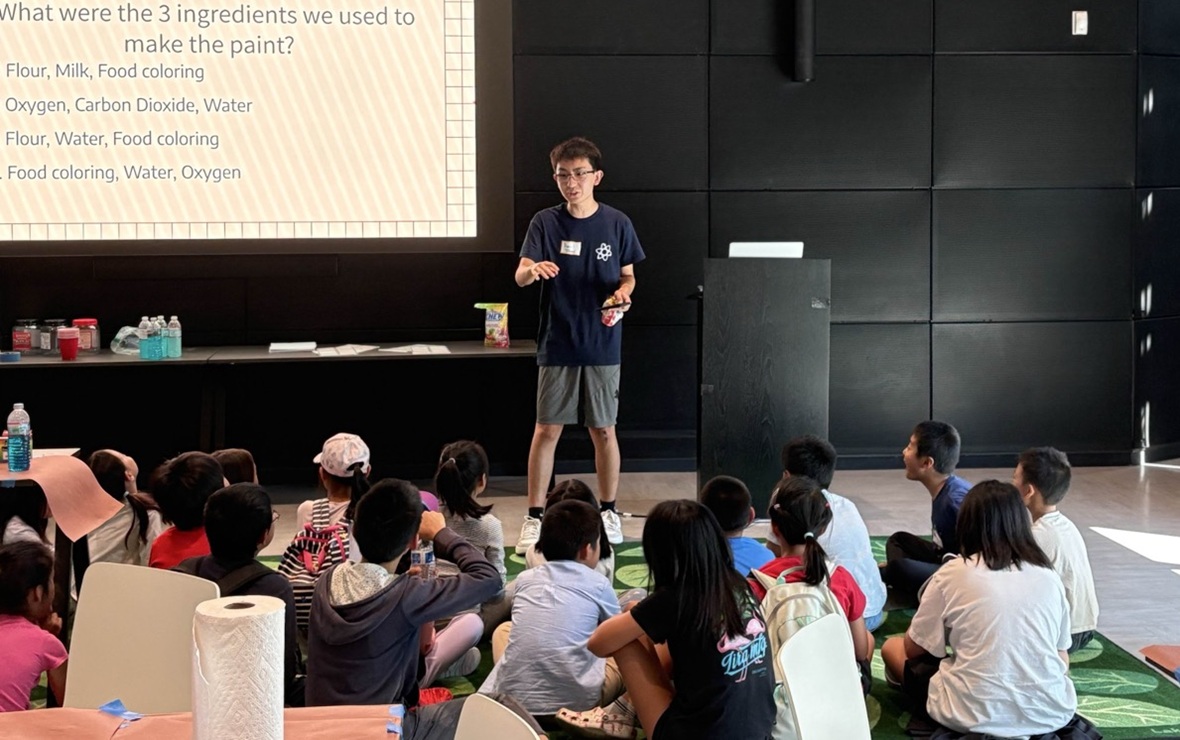
My grandmother and I used to play cards and mahjong together. When I was nine, she was diagnosed with pancreatic cancer. I heard words such as chemotherapy without understanding why treatment that was supposed to help her could make her so sick. A few doctors took the time to explain things to me. Years later, when cancer affected my family again, I found myself trying to explain those same ideas to my younger sister.
I learned what a difference it makes when someone takes a young person’s questions seriously.

These experiences piqued my interest in cancer research and in STEAM education. Young people are often told that STEAM education is an investment in their future. But few are given opportunities to make STEAM investments in themselves as active learners and leaders.
STEAMLabs International
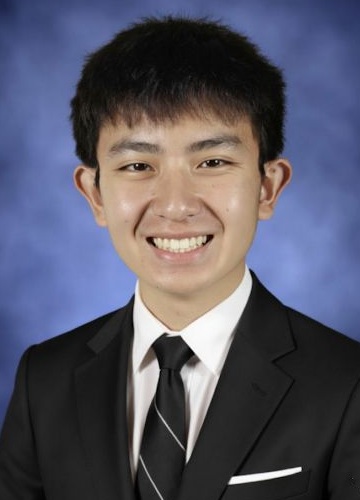
Daniel Zhang
In 2024, I co-founded STEAMLabs International, a youth-led nonprofit, with Woojoo Park. STEAMLabs fundraises to provide science kits and lab materials, and trains and supports high school students to deliver hands-on STEM activities to students in underserved communities in schools, libraries and community spaces. As of September 2026, STEAMLabs has 18 active chapters and reports reaching more than 10,000 students through over 150 events and other programming, including work across the U.S. and internationally.
In August 2025, I began developing “Tumor Tactics” with my friend Zachary Tou. “Tumor Tactics” is a cancer education card game that invites players to act as doctors treating different tumors, learning why treatments can work differently, why side effects matter and why cancer treatment is not always predictable. With support from the American Society for Cell Biology, our team brought the game to five San Diego workshops serving 150 students, and 95% improved their score on a short cancer biology quiz. Our team is also scheduled to share this work in a virtual youth-led session at the Science Summit, held alongside the United Nations General Assembly, on September 26.
Both endeavors stemmed from the same realization.
Students don’t just need access to STEAM experiences.
They need to be the ones building and improving them, starting as early as possible.
The backstory
I spent the 2023-24 school year doing cancer biology research at UC Davis, where I was the sole high school presenter at the UC Davis Cancer Symposium. I was able to pursue that work because adults gave me an opportunity to participate in research and took my interest in cancer biology seriously. Other students, including students at under-resourced schools, may be just as interested in science without ever being offered anything comparable. That imbalance was about access to materials, but also access to people willing to open doors.
[Related: What happens when Bronx students lead the way in STEM equity]
Looking back, I realize how much of my being prepared for the internship experience depended on adults being willing to take my interests seriously. Being able to work in a research environment while I was still in high school helped me develop the confidence to ask questions, learn from people with more experience and pursue ideas of my own. But that confidence did not appear out of nowhere. Throughout my life, I have had access to people and places that made it possible to try. Their trust in me contributed to my trust in myself and my trust in others.
Reflections on how we built this…
INVITE and INVOLVE: two ways in
We began with experiments students could actually try, not another presentation about why science matters. We recruit high school students to be chapter leaders who help plan activities, assemble materials, work with younger children, partner with local schools and libraries, and adjust lessons for the students in front of them. We also learn from the schools and families who host us about what will work in their classrooms.
IMPLEMENT: real decisions, with support
While high school students are our chapter leaders who plan and adapt activities, adults make this possible by giving us access to space, materials and advice while leaving room for students to make real decisions. Being invited to help with an event is valuable. Being trusted to shape how it runs teaches something different.
The goal is not to leave students alone with responsibilities they are unprepared for.
It is to give them support and a real say at the same time, starting at an early age.
IMPROVE: Let students change the lesson
As noted, 95% of the 150 participating students across our workshops improved their scores on a short cancer biology quiz. But the questions they asked during the workshops mattered as much as the scores. When younger players struggled with terms such as immunotherapy, we saw that knowing the science ourselves was not enough. Our team had spent so much time designing the game that certain medical terms sounded normal to us. But an elementary school student encountering cancer biology for the first time may need a completely different explanation. We began developing clearer explanations and glossary support. The students were showing us how to make the experience better. Cancer can be a starting point for science because almost everyone has heard of it, even if they have never studied biology. A child might begin by asking why chemotherapy can make someone sick, then become curious about cells, the immune system or how researchers test treatments. The game gives those questions somewhere to go.
STEAMLabs International
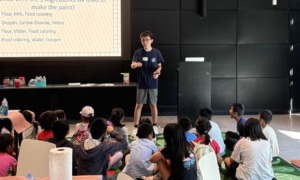
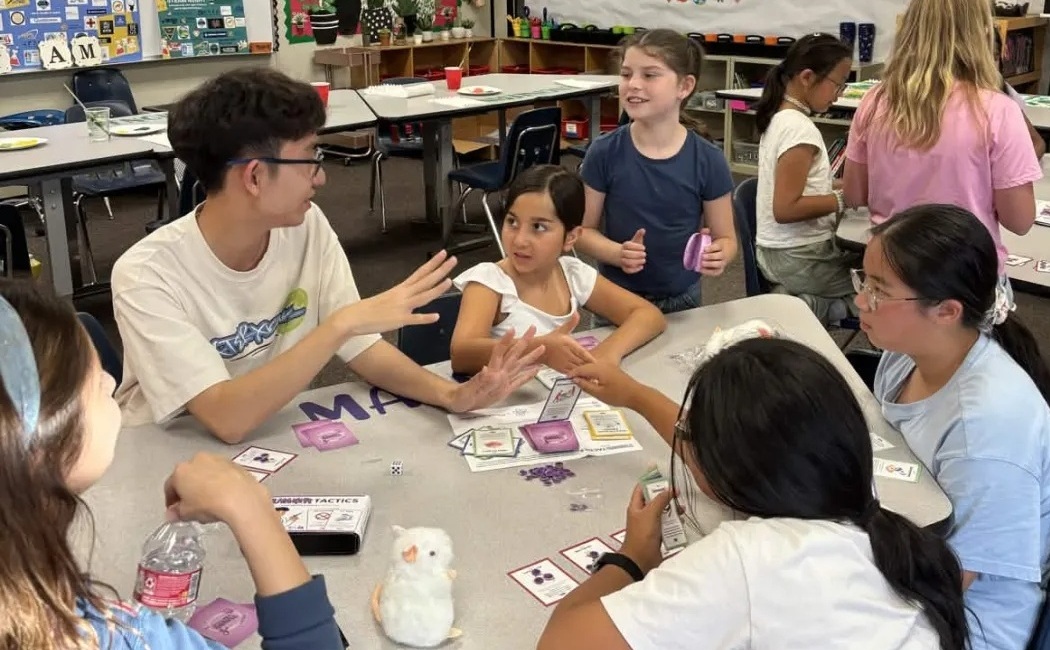
Daniel Zhang leading a Tumor Tactics cancer biology workshop with elementary school students at Deer Canyon Elementary School in San Diego.
INCLUDE: Who gets to lead?
Recruiting high school volunteers brings its own challenge. Students who already feel confident teaching or leading may be the first to sign up. If we only hand responsibility to the people who already look like leaders, we risk reproducing the opportunity gap we set out to address. I cannot honestly say we have solved that. We need to make it easier for a student with no prior leadership title to start by helping at a table, learning a lesson alongside another volunteer, asking questions and gradually taking on more responsibility. A chapter should be a place to learn leadership, not a place where you have to arrive with it. That could mean welcoming students who are unsure about teaching, pairing first-time volunteers with someone more experienced and letting them practice a lesson before leading it. I want us to pay attention to who feels comfortable volunteering for the next role and who might need a personal invitation.
STEAMLabs International
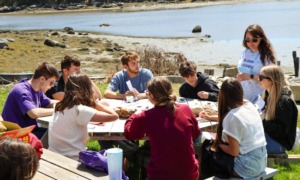
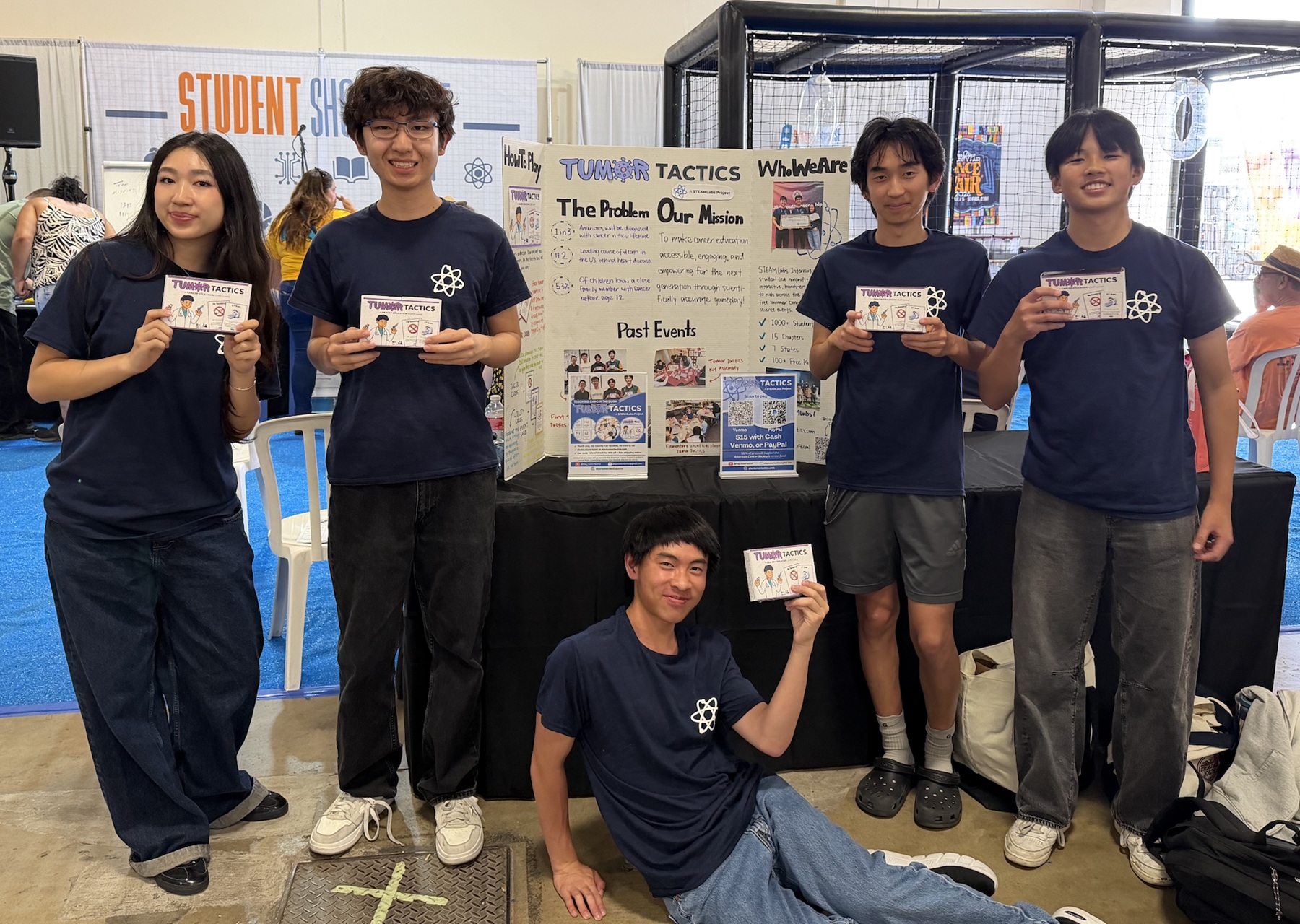
The Tumor Tactics student team showcasing their cancer education card game at the 2026 San Diego County Fair.
INSPIRE: Open the next door
The TrustYouth ideas help me see a pattern in my own experience. Someone first took my questions seriously. Later, people gave me access to research and trusted me to help teach. Now our challenge is to extend that kind of trust to students who have not already had a first opportunity. That means listening to them, giving them a manageable way in and allowing them to influence what happens next.
For adults working with young people, my request is simple: when a student shows interest, do not wait for a polished résumé or a leadership title.
Offer the resources and guidance that let them begin, then trust them with something real.
***
Daniel Zhang is co-founder and executive director of STEAMLabs International — a nonprofit providing free hands-on STEM education — and co-creator of “Tumor Tactics.” A senior at Canyon Crest Academy in San Diego, California, he is also an accomplished pianist.