
Imagine spending years preparing for the most important exam of your life, the crucial test that determines whether you gain admission to medical school, only to discover that the answers had been leaked and sold to the highest bidder before the exam booklet was even opened.
In the last few years, the integrity of university-level entrance examinations across India fell apart as test papers were repeatedly leaked. Millions of students had poured their lives into preparing for these tests. When the government announced sweeping cancellations in the wake of these leaks, the psychological blow was devastating, pushing several heartbroken students to extreme measures, including suicide.
Following the NEET (National Eligibility cum Entrance Test) paper leak scandal, this nightmare became a bitter reality for more than 2 million Indian students. The event shattered public trust. An entire generation began to view the education system as something conspiring against them. For these young people, the path ahead could easily have veered into despair or destructive rage.
Instead, India’s youth adopted a strategy both deeply traditional and globally inspiring: radical nonviolence.

The call for institutional integrity
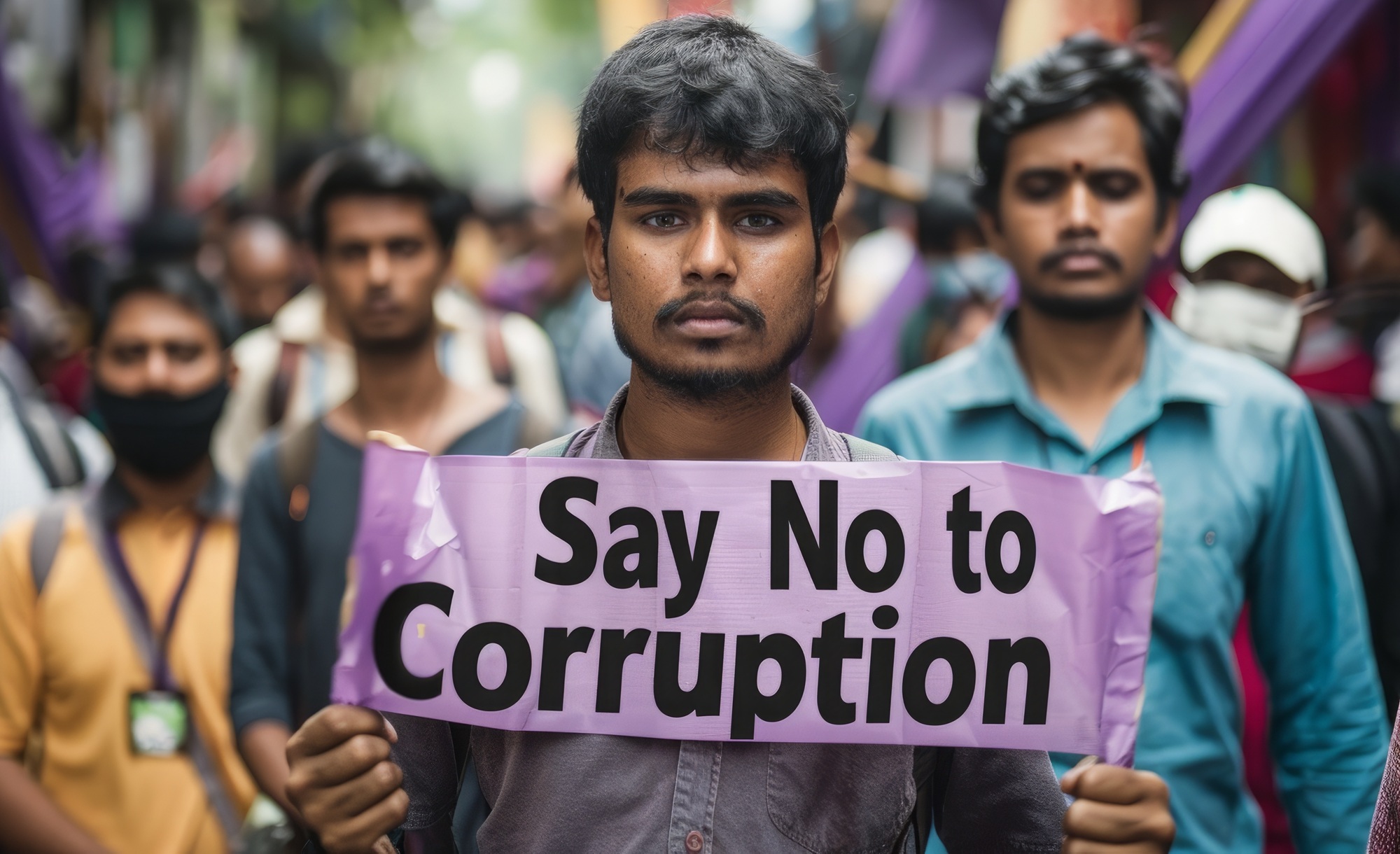
To demand accountability and prevent future paper leaks, students launched a peaceful protest at Jantar Mantar in the capital city, New Delhi. Initially, observers dismissed the gathering as just another temporary flare-up. Gradually, however, the voice of these young students began to resonate across the entire nation and around the world.
[Related: Young people aren’t giving up — they’re losing trust]
Faced with a massive scandal that jeopardized their futures, India’s Gen Z took to the streets armed with far more potent weapons than anger: steadfast discipline, moral resolve and nonviolent endurance.
A modern blueprint for peaceful resistance
In an era defined by political pessimism and quick-to-ignite social media outrage, the NEET protests offered a masterclass in peaceful civil disobedience.
The movement was grounded in the fundamental principle of ahimsa (nonviolence) — the core truth that nonviolence signifies not merely the absence of physical harm, but a supreme moral duty. Drawing inspiration from this legacy, students across the country organized peaceful rallies to demand structural reform and transparency within the examination system.
Standing tall against oppression
Their resolve soon faced its harshest trial. Authorities attempted to break up demonstrations using heavy-handed tactics, including police lathi (heavy wooden baton) charges. As batons fell and tension reached a fever pitch, onlookers braced for full-blown riots.
Yet, as the state tried to quell the protests through force, the young demonstrators refused to retaliate with violence. Instead, they responded with remarkable composure and resilience.
Their restraint did not stem from fear or submission; it was a deliberate display of strength. In doing so, they echoed the legacy of Mahatma Gandhi during India’s freedom movement and the historic Freedom Rides led by the Rev. Martin Luther King Jr. during the American civil rights movement.
Solidarity beyond social divisions
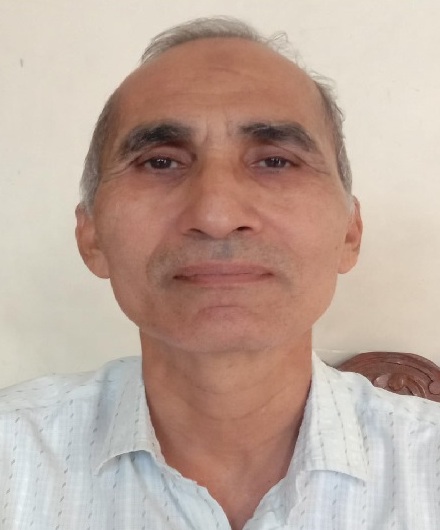
Courtesy of Umar Khalid
Umar Khalid
What elevated the NEET movement beyond a typical student dispute was its power to unite a notoriously diverse population. India is a vast republic where regional, religious and caste divisions frequently surface; yet, faced with a threat looming over their collective future, young protesters set those differences aside entirely.
The protesters’ response was multi-faceted. They:
• Transcended historical divisions of religion, caste and region to present a unified front.
• Replaced hostility with peaceful sit-ins, silent marches and coordinated advocacy.
• Demanded absolute transparency, institutional reform and equal opportunity for all.
A universal lesson in democratic power
For observers worldwide accustomed to seeing youth-led movements surrounding climate change, gun reform or voting rights, the NEET protests demonstrate a universal truth: When a generation unites behind an unwavering demand for basic fairness, no institution, no matter how entrenched, can afford to ignore them.
Remaining calm in the face of provocation and injustice is not a sign of weakness; it is the ultimate proof of inner strength.
The pressure this discipline generated was not symbolic: Education Minister Dharmendra Pradhan resigned that July after weeks of sustained protest, and the movement has since continued as an organized campaign for accountability on jobs and education.
Ultimately, the NEET movement evolved into something far greater than a protest against a flawed examination. It became a living example of democratic power in action, proving that even when massive systems fail, moral resolve and unwavering unity possess the strength to awaken a nation’s conscience.
***
Umar Khalid is a writer who draws on personal experience to highlight social issues affecting young people. He has close family members who were directly affected by India’s NEET exam paper leak scandal and writes to give voice to the struggles of students who lack a strong support system to help them cope.