
Youth Today
All posts tagged "Youth Development"
-
 1.3KOpinion
You might also like: The problem with learning styles
While it stems from a generous and well-meaning instinct, the popular focus on fixed learning styles can be more restrictive than helpful.
-
 1.5KOpinion
Exploring the trust gap: An open invitation
While we always ask youth to trust adults, young people must be recognized for their abilities and have that trust returned with...
-
 1.6KFrom the Field
In and beyond the school day: Expanding access to the behavioral supports that shape young people’s futures
Behavioral supports and services are crucial for some youth to thrive. Unfortunately, lack of access or continuity of care leaves many overlooked.
-

 1.4KOpinion
No youth thrives alone
The Thriving Youth Knowledge Exchange podcast discusses how to rebuild well-being, groundedness and agency to hold youth as they learn to hold...
-
 1.1KFrom the Field
What if we treat staff development as part of our core mission?
We build systems of developmental support for youth. What if we applied that same intentionality to staff development for those who serve...
-
 1.3KFrom the Field
How Cureco is redefining youth-led health advocacy
Youth-led advocacy encourages long-term civic engagement, leadership development and community-centered problem-solving.
-

 1.9KOpinion
Knicks in (the CASEL) 5: A blueprint for social-emotional competency
The Knicks' championship run is a masterclass in illustrating the social-emotional competency we all need to thrive.
-
 1.9KOpinion
The boys we’re losing — and the prevention we’re missing
The emotional isolation of boys is shaped by long-standing norms that reward suppression and discourage vulnerability.
-
 2.3KOpinion
Young people aren’t giving up — they’re losing trust
The results of the latest Harvard Youth Poll display the systematic erosion of the trust in society needed to create conditions for...
-
 1.4KFrom the Field
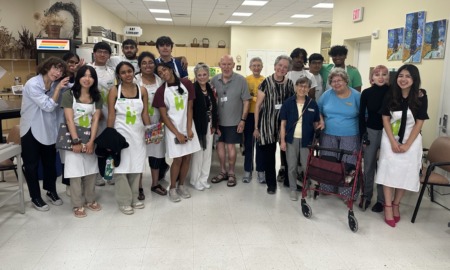
Youth development’s missing link? Intergenerational connection
Intergenerational connection allows older adults to have companionship that matters and for youth to build genuine connections.
-

 1.7KFrom the Field
We’re teaching skills but not purpose: The missing metric in youth development
Youth development programs emphasize measurable skills but should be more intentional about developing purpose.
-

 1.9KOpinion
What kind of environments help young people become fully human?
Thriving emerges from developmental environments and relationships that help young people make meaning.
-

 1.7KOpinion
Keeping it real
By emphasizing outcomes over youth engagement, are we lighting the flame — or quietly putting it out?
-

 1.8KFrom the Field
How visual arts workshops can help youth achieve mental health goals
Growing up, I struggled with anxiety and OCD. When I started one-on-one therapy at age 10, I quickly discovered that using visual...
-

 2.7KFrom the Field
Q&A with Maxwell Shei, 17-year-old co-founder of Open Keys, on bringing real performance opportunities to musicians “in the middle.”
Open Keys believes everyone deserves a stage and the opportunity to experience the transformative power of performance.
-
 2.3KOpinion
Nearly 200 student stories reveal what AI can’t replace: Relationships
Students are making it clear that AI cannot replace a human developmental relationship.
-
 1.9KFrom the Field
The missing dimension of positive youth development: What it requires of adults
The positive youth development field has rethought the role of young people in the work, but not the adults.
-

 2.2KOpinion
From participants to partners: Rethinking the role of alumni in youth programs
Youth program alumni are vital social capital not usually harnessed by youth organizations.
-
 2.6KOpinion
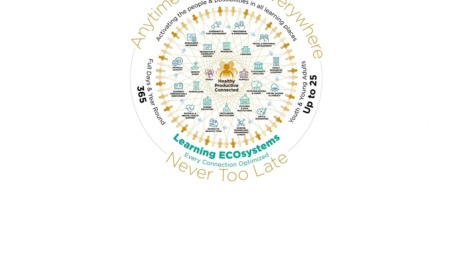
Every Connection Optimized: Four accelerators for activating learning ECOsystems where all youth thrive
A new blueprint identifies four accelerators crucial to constructing learning ecosystems and a workforce dedicated to thriving youth and families.
-
 2.3KFrom the Field
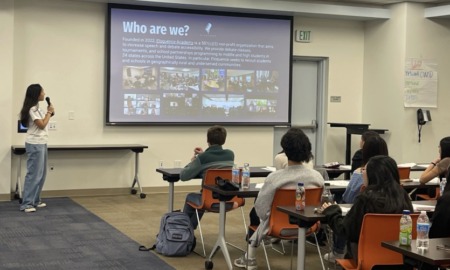
The power of voice
Debate’s transferable skills — including public speaking, critical thinking and intellectual humility — empower youth voice.