
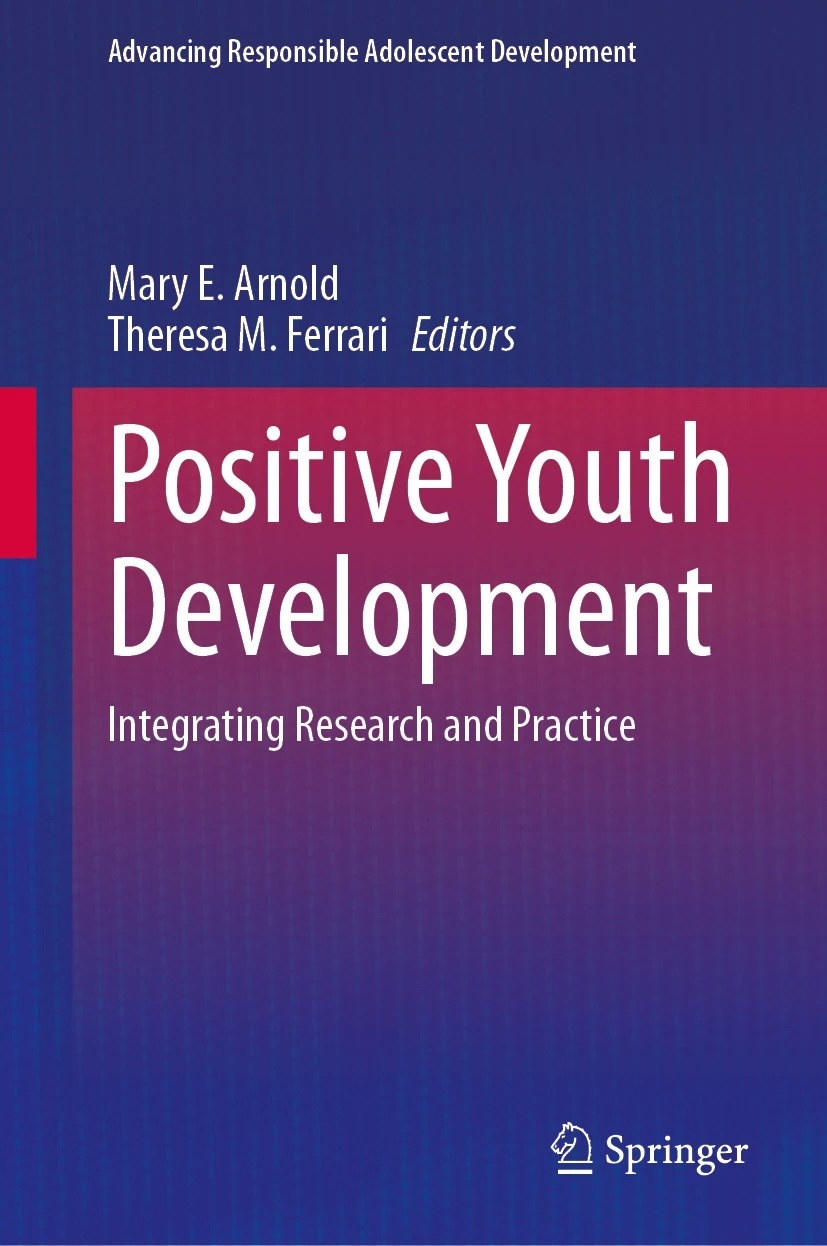
 This is the sixth piece in our series featuring the chapter authors of “Positive Youth Development: Integrating Research and Practice.” In this piece, I talk with Erica Van Steenis, who co-authored Chapter 11 in the volume along with Ashley Boat and Peter C. Scales.
In “Fostering Youth Sparks and Social Capital for Greater Equity in Positive Youth Outcomes,” Van Steenis, Boat, and Scales demonstrate that sparks — defined as the deep interests, qualities, or talents that provide young people with joy, energy and purpose — serve as a central engine of positive youth development, particularly when supported by intentional adult relationships and access to opportunity. Drawing on Search Institute’s extensive research portfolio, including the nationally representative Teen Voice Study and surveys of tens of thousands of youth across diverse settings, the authors show that young people who can identify at least one spark are significantly more likely to thrive across a wide range of outcomes, from personal well-being and academic motivation to civic engagement and sense of purpose — and that those benefits compound when sparks are actively nurtured by caring adults and connected to a broader web of social capital.
I talked with Van Steenis about her background and why sparks and social capital matter now more than ever.

Q: Who are you and how did this topic become important to you?
Erica Van Steenis: I’m an applied researcher in the youth development space, and I’ve spent the better part of the last 20 years both studying young people and working alongside them, contributing to projects that are either youth-facing directly or oriented toward the practitioners who work with youth.
When I wrote this chapter, I was working at Search Institute, where sparks and social capital are two of the flagship areas of focus. Both topics genuinely captivate me, but sparks hold a special place in my work. The question of what drives young people — what motivates them, shapes their identities, and compels them to pursue their passions — has always been a central fascination for me as a researcher.
[Related: From relationships to opportunities — What we learned about social capital mobilization]
What makes the connection to social capital so compelling is the potential downstream impact. When young people can tap into their interests and develop a real sense of grounding in them, that foundation can meaningfully expand their long-term horizons, whether that’s access to resources, pathways to higher education, or any number of other routes they might choose to pursue. Exploring that relationship, between a young person’s inner spark and the social capital it might unlock, became something I felt genuinely compelled to investigate.
Q: Why is this topic relevant, important for youth development practitioners at this moment in history?

Courtesy of Erica Van Steenis
Erica Van Steenis
There is so much happening in our world right now, and I think it has always been critical that young people — particularly those who are marginalized or who experience inequality at higher rates than their white or higher-socioeconomic-status peers — have meaningful access to opportunities and resources.
For young people who come from more privileged backgrounds, the pathways to pursuing passions and interests tend to be visible and accessible. The programs are there. The neighborhood resources exist. The routes forward aren’t opaque. But for young people navigating marginalization or systemic oppression, those same pathways can be significantly harder to access and, in some cases, harder even to imagine. When you don’t see people who look like you in certain occupations or activities, it becomes difficult to envision yourself there either.
Representation and access are deeply intertwined.
So when we talk about the relationship between sparks and social capital, and especially when we think about translating those frameworks into real, on-the-ground practice, we have to be intentional about asking: What are the implications for young people of color? For young people from lower socioeconomic backgrounds? For young people who simply don’t have access to the resources others take for granted?
Because if we can genuinely ignite passion and interest in those young people, I believe that becomes a pathway to better futures, for them and for all of us.
Q: Can you share a story or example from your own experience that would illustrate the importance of this topic?
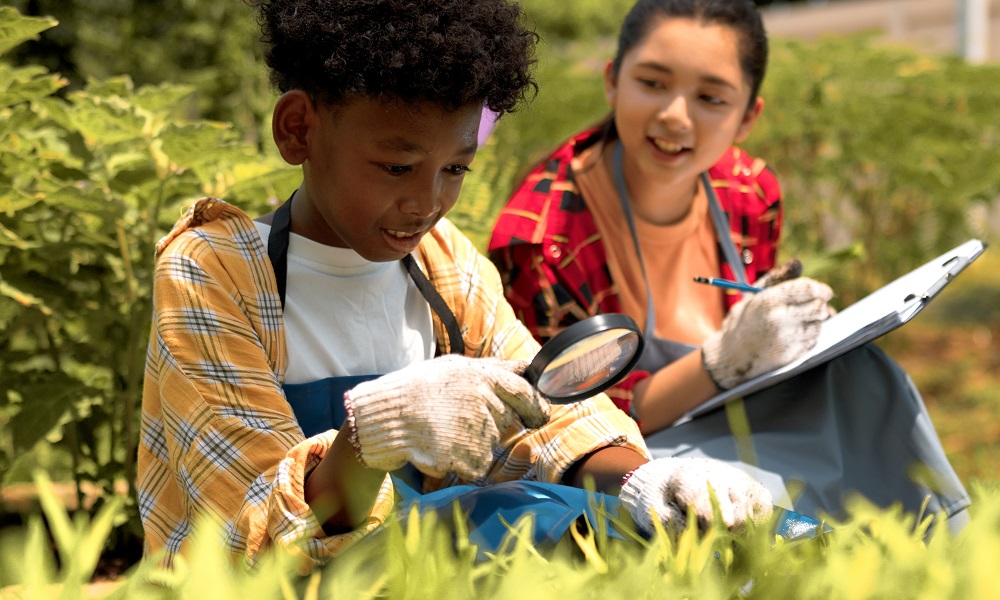
For many years, I worked in outdoor education, and the young people I was working with were accessing summer camp experiences that, frankly, cost a lot of money. That was the demographic I was embedded in. But what I witnessed in those environments was genuinely inspiring: young people spending a summer hiking, getting outside and engaging with the world in ways that looked nothing like a classroom and nothing like their home environments. There was this real igniting of interest, excitement and joy in how they were learning and growing.
[Related: Dance builds the skills young people need. I credit dance with my pursuit of medicine.]
And that inspired a question that has stayed with me: How do we make sure that those kinds of transformative experiences aren’t only available to young people whose parents have the financial means to access them? How do we open those doors more widely?
Q: What practical recommendations or takeaway messages can you offer practitioners who are looking to implement these concepts in their communities?
One practical recommendation for practitioners is to expand your view of sparks so that you are working to fuel the passions of all young people, not just a specific individual or group. Think broadly about how this framework can reach a wide range of youth. And importantly, resist the tendency to default to sports and the arts as the primary examples of sparks. Those pathways tend to be the most visible and well-worn, but sparks take many forms. That means being willing to explore interests that may fall outside your own frame of reference and asking young people the questions that actually surface what drives them. Questions like: What is your spark? What do you love to do? Is it video games? Reading? Going to church?
The goal is to create space for young people to name their own interests on their own terms.
A second recommendation is to build strong partnerships with young people’s families and communities. Rather than viewing youth as isolated individuals, think about the full ecosystem of their lives. What is being cultivated at home? Where do they spend time in their community? Who is already supporting their interests and development? Centering those relationships and contexts is essential to doing this work well.
Finally, practitioners should be intentional about connecting young people with adults who share similar backgrounds or interests. Putting youth in front of adults who look like them and who are pursuing the kinds of careers or passions that resonate with them can be a powerful act. It makes futures feel real and attainable in ways that abstract encouragement simply cannot.
***
This is the sixth piece in our series featuring the chapter authors of “Positive Youth Development: Integrating Research and Practice”. Previous pieces can be found in order of publication below:
On Integrating Research and Practice: A new resource bridges the gap
On learning and meaning making
On developmental relationships