

Effective youth work can help all young people thrive.
But too often, it does not equitably reach those whose behavior is most challenging — young people with significant social, emotional and cognitive needs, who are disproportionately excluded, underserved or misunderstood. Karl Dennis, who was memorialized last year, showed the way. So did Frank Fecser, who operationalized and embodied the principles of Re-Education developed by Nicholas Hobbs.

Re-Education is a systematic, relational, ecological approach to working with children who have mental health and behavioral challenges.
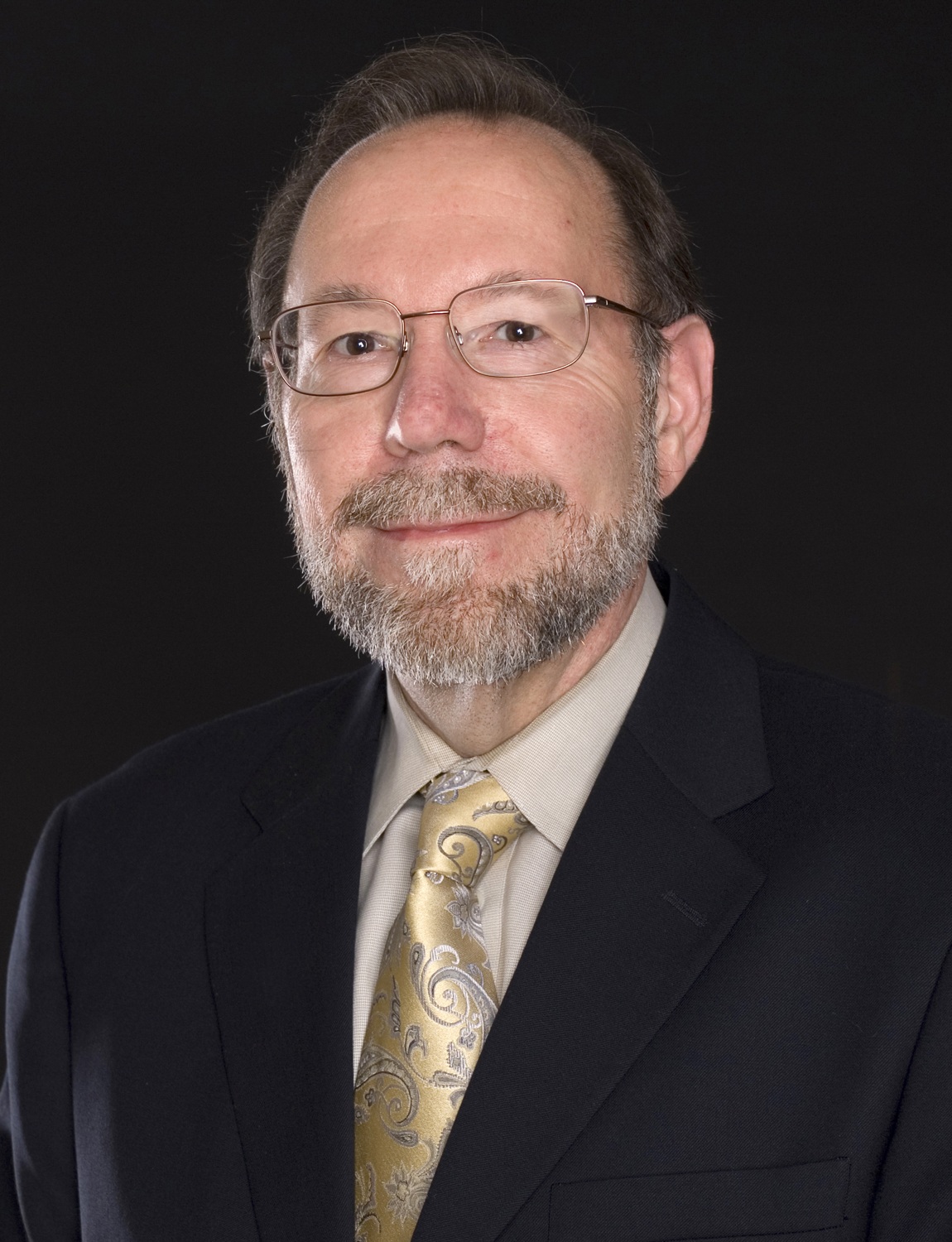
Frank Fecser
Re-ED focuses on discovering and building upon the existing strengths of children, not dwelling on their weaknesses, so that these positive attributes will ultimately occupy more of their being. The Re-ED model is rooted in the abilities of dedicated teacher-counselors to build trusting relationships with students that inspire confidence, hope, empathy, and resilience. Hobbs identified 12 principles for adults working with youth with serious mental and behavioral issues that are at once simple and exacting:
- Life is to be lived now.
- Trust is essential.
- Time is an ally.
- Competence makes a difference.
- Self-control can be taught.
- Intelligence can be taught.
- Feelings should be nurtured.
- The group is very important.
- Ceremony and ritual give order.
- The body is the armature of the self.
- Communities are important.
- A child should know some joy in each day.
(For a full articulation, see the 12 principles of Re-ED.)
These are not abstract ideas. They demand disciplined, relational enactment. Frank Fecser — whose whole career was defined as Re-ED in practice — lived them.
He believed, as Hobbs did, that trust is the glue that holds teaching and learning together.
He rejected deficit-based narratives that locate problems within young people, insisting instead that behavior reflects unmet needs, lagging skills and environments that have yet to align with a child’s strengths.
At Positive Education Program (PEP), where Frank spent his career as a teacher-counselor, principal and, ultimately, CEO, those principles took form. Since its founding in 1971, PEP has offered a range of services for children and youth with serious trauma, behavior, or mental health issues, including but not limited to running therapeutic schools, supporting young people to overcome and thrive. At PEP, young people are not defined by diagnoses or reduced to behaviors. Nor are they removed from their communities as a default response to a challenge. Instead, PEP creates structured, relational environments in which success is possible, often for the first time. Therapeutic classrooms are organized to promote competence and predictability. Adults respond with consistency and care. Each day is designed so that young people can experience both mastery and joy. Principles such as “life is to be lived now” and “competence makes a difference” are not slogans; they are embedded in routines, expectations and relationships that enable real-time growth.
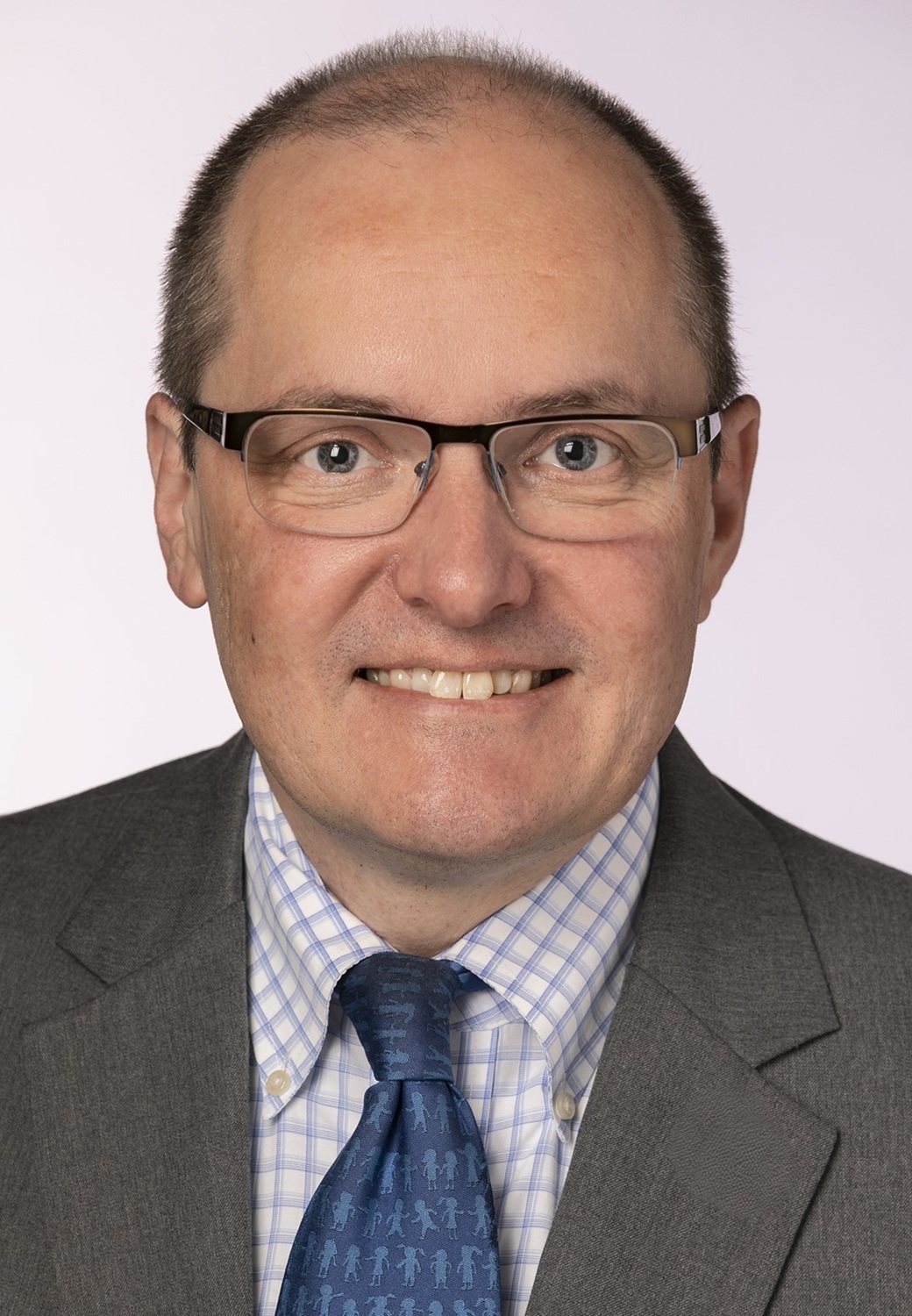
Courtesy of Eric Gordon
Eric Gordon
This focus on the present and learning through lived experience rather than retrospective insight finds one of its clearest expressions in practice through Life Space Crisis Intervention (LSCI), which Frank co-developed with Nicholas Long, Ph.D. LSCI operationalizes a core Re-ED belief: that crises are not interruptions to development, but opportunities for it. In many systems, a behavioral incident triggers removal, punishment or delayed therapeutic processing. LSCI takes a different path. It prepares adults to engage immediately and relationally, using the incident itself as a teaching moment.
When a young person escalates, LSCI practitioners do not withdraw or impose consequences from a distance. Instead, they enter the “life space” of the child — the here-and-now context of the experience— and work alongside the youth to make sense of what happened. Through structured strategies, the adult helps the young person identify triggers, examine their thinking, connect emotions to actions, and consider alternative responses.
The aim is not simply to stop behavior, but to build insight, self-regulation, and competence in the moment it matters most.
LSCI is both disciplined and humane. It asks adults to regulate themselves, avoid power struggles, and stay anchored in a reciprocal relationship even when behavior is challenging. It assumes that behavior can be taught; that self-control is not fixed but developed through guided practice. In this way, LSCI brings to life Hobbs’ assertion that children can learn to manage their behavior without waiting for deep psychodynamic insight. It also reflects a broader commitment shared with Dennis’ work: persistence, responsiveness, and the refusal to abandon young people when they struggle most.
[Related: Five shifts that would change everything]
Frank’s leadership at PEP showed that these ideas can scale without losing their humanity. Too often, as programs expand, principles are reduced to language rather than lived practice. Under Frank’s leadership, PEP resisted that drift. Whether in a classroom or the executive office, he held a steady focus: helping young people experience competence, connection, and hope. He walked humbly in this work, never centering himself, but consistently centering the needs of young people and those who cared for them. Like the organization he led, he was deeply committed to ensuring that staff, as well as students and their families, received the support needed for success. Staff were not only trained in techniques, but sustained in the caring, relational, and emotional labor their work demands.

Courtesy of David Osher
David Osher, RCC
Frank understood, as Hobbs wrote, that time is an ally and that growth unfolds when environments are structured to support it, and when adults remain patient and persistent. This stands in contrast to systems that demand quick fixes or respond to setbacks with exclusion. Instead, Frank cultivated environments where repetition was expected, mistakes were part of learning and adults stayed engaged long enough for change to take hold.
Frank often described Re-ED as a “state of heart.” The phrase is not sentimental; it is exact. Re-ED is not only a framework, but a stance that combines discipline with compassion, structure with flexibility and realism with hope. It requires what Frank (like Karl Dennis) called “unconditional caring,” paired with a willingness to teach, to guide and to persist.
His legacy is visible not only in the thousands of young people and families served through PEP but also in the tens of thousands of practitioners worldwide trained in LSCI. Through that work, his influence extends far beyond a single organization, shaping how adults in schools, treatment settings and community programs understand and respond to behavior.
Ultimately, Frank Fecser’s life reminds us that the challenge is not knowing what works. The field has long had the principles. The challenge is living them, especially with the young people systems find hardest to serve.
That means staying in relationship, teaching in the moment, building on strengths and creating environments where competence, connection and hope are possible.
That is the work Frank Fecser lived. Now we must decide if we will live it too.
***
Eric Gordon is a career educator and educational leader whose work has been driven by a whole child approach. He currently serves as the Chief Executive Officer of Positive Education Program, focused on meeting the needs of children with developmental trauma, mental health issues and autism, along with their families and supporting professionals.
David Osher has been an organizer, professor, dean of an experimental college and schools of human services, researcher, and a TA provider and organizational consultant. His work focuses on building humanizing conditions and capacities for individual and collective thriving and equity.