
Youth Today
All posts tagged "Youth Development"
-

 2.9KFrom the Field
Reimagining support for learning differences: What parents find in learner-centered environments
Learner-centered environments can help students with learning differences do more than just get by.
-

 2.4KOpinion
Investing in the OST workforce: Dreaming big and starting small
How do we support youth workers to ensure they stay in the OST workforce?
-

 4.0KNews
Refocusing on youth development: Changes coming to Youth Today
Our goal is to recenter Youth Today as the go-to publication for youth development.
-
 3.4KNews
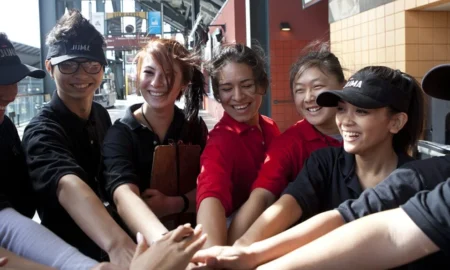
Juma Ventures helps “opportunity youth” earn, learn and launch careers
Opportunity youth are young people from low-income households often disconnected from school and work.
-
 2.3KFrom the Field
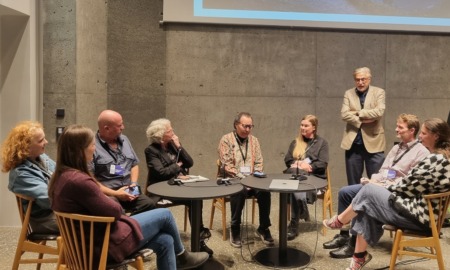
Field report: New opportunities to explore extended learning and youth development across the globe
Highlights from the Global Extended Learning and Youth Development Association (GELYDA) first annual conference.
-
 2.5KOpinion
Can you legislate a collaborative, youth-centered vision of education? Iceland did.
Iceland passed the Wellbeing Act mandating that all youth-field professionals collaborate across sectors.
-
 2.9KFrom the Field
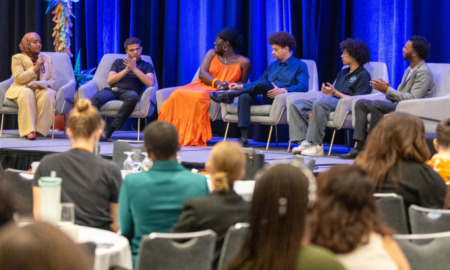
Young people shine light on the path forward
Adults must step aside and walk alongside young people as they step up.
-

 3.8KOpinion
We surveyed 1,500 Florida kids about cellphones and their mental health: What did we learn?
What we learned suggests school phone bans may have important -- but limited -- effects.
-
 2.9KNews
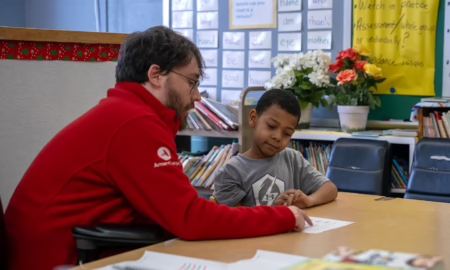
AmeriCorps’ work with students nationwide in limbo despite halt to federal funding cuts
No relief for hundreds of programs in Republican-led states that sat out the lawsuit.
-

 7.6K► Newsmakers
New executives announced at three organizations known for their leadership in blurring the lines between learning and development systems
Elena Silva, Philip M. Robinson Jr. and Jean Desravines step into new leadership roles.
-

 3.9KOpinion
Using digital devices to lift up and support adolescents
We must identify and bring awareness to how digital technology can support development.
-
 2.7KNews
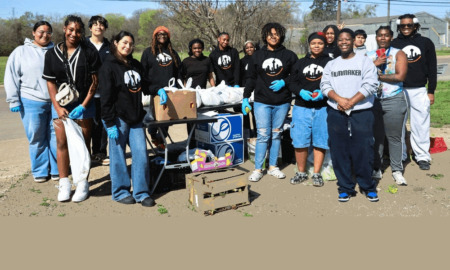
In Dallas, a Big Thought is brewing about how cities can help their children grow
Big Thought provides youth with opportunities to learn how to think and act creatively.
-
 2.1KOpinion
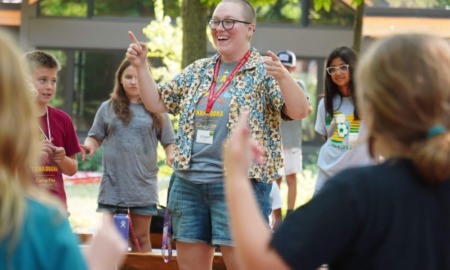
Young people are telling us what they want: Are you listening?
How does Camp Fire offer young people inclusive programs with purpose, learning and connection?
-

 8.8KOpinion
What Netflix’s “Adolescence” gets wrong — and right — about ‘kids these days’
By the end of watching it, I wish it had been called "An Adolescent."
-

 1.3KOpinion
Transformative summer programs focus on learning love, not learning loss
Summer's the time for experimenting with new activities and building year-round, community-based learning ECOsystems.
-
 2.2KNews
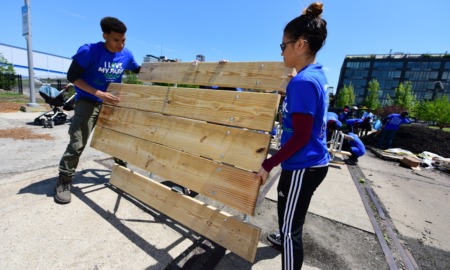
Federal judge prevents Trump administration’s cuts to AmeriCorps
AmeriCorps volunteers work in schools, health facilities, food banks, homeless shelters and veterans’ facilities.
-

 1.3KFrom the Field
Our school started enforcing its cell phone ban. The results have been astounding.
After a cell-phone-free year, this teacher says school cell phone bans should be nation-wide.
-

 2.7KOpinion
Q&A: From summer slide to summer glide — Blending learning, engagement and fun
Brodrick Clarke's interview focuses on the connection between learning and development.
-

 3.0KNews
How classroom rituals help create community
Students feel disconnected from themselves, each other, their environment: Classroom rituals help them reconnect.
-

 3.1KNews
Helping young people reconnect with school: What reengagement programs need to succeed
Students drop out for many reasons. Can reegagement programs bring them back to school?