
Youth Today
All posts tagged "youth-adult partnership"
-

 406From the Field
More than a test: How trauma can disrupt learning
A student who refused every test now sits for them. Her teachers followed the brain's order: regulate, relate, then reason.
-
 833Opinion
Young people need more than safer screens
Rural Youth Institute's Meg Taft argues Meta settlement dollars should fund real-world developmental relationships — not just safer apps — for young...
-
 846From the Field
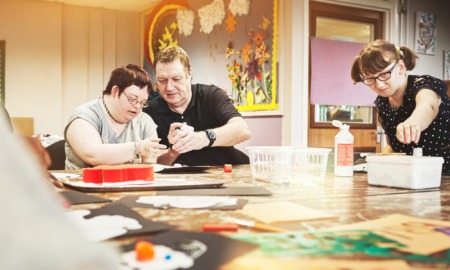
Mentorship for youth with disabilities should be a right, not a matter of chance
A RAMP mentor and participant show how disability-informed mentorship builds trust, skills and belonging for youth who need it most.
-
 893From the Field
Fashion Forward Kinspire showed me my future was possible: The people and principles behind it
For youth in kinship care, Fashion Forward Kinspire builds confidence and creative careers — told by a student, mentor and founder.
-

 1.2KOpinion
When the plan fails, change the plan
What if the plan is the problem, not the young person? Five field leaders make the case for asking youth why —...
-

 1.4KOpinion
The students we stop counting: Education, incarceration and the children left behind
South Carolina's school-to-prison pipeline, how the systems create a cycle of failure instead of support — and five solutions.
-
 1.1KFrom the Field
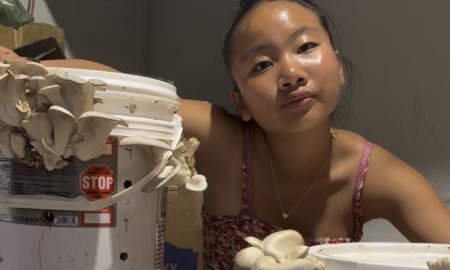
People want to help youth who are brave enough to be different
My experience with Fungi For Future has shown me that when young leaders pursue what excites them, community support often follows.
-

 1.3KOpinion
A flashlight on the life spaces of young people
Community youth surveys can illuminate where opportunities are plentiful, uneven or missing across the developmental ecosystem.
-

 1.3KFrom the Field
The boys we forgot to see: What working inside juvenile hall taught me about complex care
Complex care requires adults to see the whole person, not merely the behavior, diagnosis, charge or file.
-
 1.5KOpinion
Exploring the trust gap: An open invitation
While we always ask youth to trust adults, young people must be recognized for their abilities and have that trust returned with...
-
 1.9KOpinion
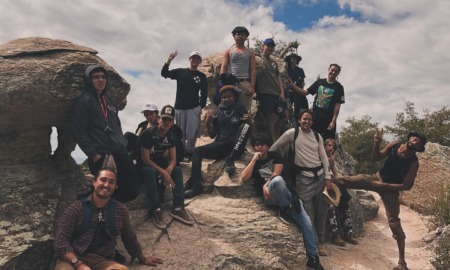
The boys we’re losing — and the prevention we’re missing
The emotional isolation of boys is shaped by long-standing norms that reward suppression and discourage vulnerability.
-
 1.4KFrom the Field
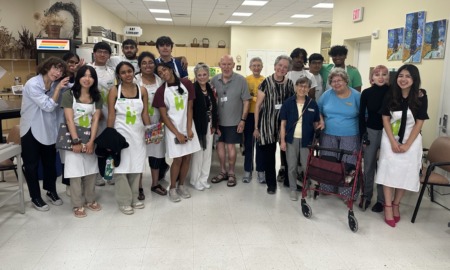
Youth development’s missing link? Intergenerational connection
Intergenerational connection allows older adults to have companionship that matters and for youth to build genuine connections.
-

 1.9KOpinion
What kind of environments help young people become fully human?
Thriving emerges from developmental environments and relationships that help young people make meaning.
-
 2.3KOpinion
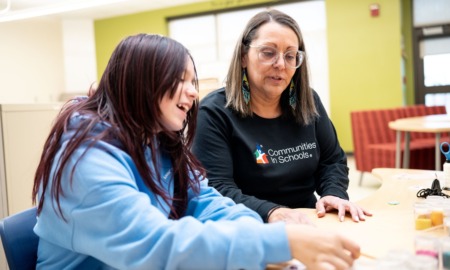
Nearly 200 student stories reveal what AI can’t replace: Relationships
Students are making it clear that AI cannot replace a human developmental relationship.
-
 1.9KFrom the Field
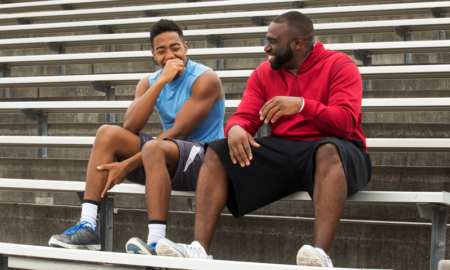
The missing dimension of positive youth development: What it requires of adults
The positive youth development field has rethought the role of young people in the work, but not the adults.
-

 2.0KOpinion
Five shifts that would change everything
A podcast discusses five concrete changes that can be made in any youth development setting.
-

 1.4KFrom the Field
On developmental relationships
Katherine Plog Martinez speaks with Gene Roehlkepartain on how strong developmental relationships are the "active ingredient" in successful youth programs.
-

 2.0KFrom the Field
Coaching, not correction: The shift youth-serving systems need to build real leaders
You can’t correct a kid into leadership. Adolescents develop youth leadership through environments that support autonomy, belonging and skill-building.
-

 7.1KNews
Q&A with Alex Lohrbach on the release of the Elevating Youth Engagement curriculum
EYE curriculum prepares adult partners and young leaders to create change in child welfare systems.