
Youth Today
Opinion
-

 4.3K
4.3KYouth financial education (literally) pays off
Mandating financial education isn’t enough. Without targeted interventions, we’re setting up a generation to learn money management through trial and error.
-
 2.6K
2.6KCash, community, possibility
100 former foster youth received $1,000 a month for a year. How did it change their lives?
-

 2.7K
2.7KFrom turnover to graduation: Rethinking staff retention
Out-of-school time (OST) program staff have long been seen as transient, fueling high turnover rates which are detrimental to youth development outcomes.
-

 2.0K
2.0KPrevention with protection: Making Family First work for every child
Seven years since the passage of Family First Prevention Services Act (FFPSA), its goal of keeping families together safely is proving difficult.
-

 4.8K
4.8KQ&A: The Alliance for Youth Thriving
The Alliance for Youth Thriving connects leaders across youth sectors to tackle common challenges.
-

 2.3K
2.3KSAT start times: A simple systems change
While adolescents are naturally inclined to sleep later than their young peers, the systems they engage in have decided that things should...
-

 2.3K
2.3KBeyond balance: How digital platforms can intentionally foster teen emotional development
What if digital platforms actively fostered the social and emotional learning and skills teens need to thrive?
-
 2.3K
2.3KWhat my trans daughters are teaching me about leadership
A father of trans youth uses his experiences to highlight the trust-based, youth-centered approach our communities need to help all young people...
-
 1.9K
1.9KUnexpected mentors: Every new positive connection really does count
How can we look for ways to expand or deepen youth-adult relationships?
-

 3.0K
3.0KBiggie through Bronfenbrenner’s eyes
Biggie’s lyrics painted a vivid picture of life's complexity. Bronfenbrenner created a framework to understand youth development within this complexity.
-

 3.8K
3.8KWeissberg and Durlak’s 18-year-old S.A.F.E model is a sure bet for our current workforce challenges
The SAFE programs had significant effects in almost every outcome area.
-

 1.8K
1.8KBeyond the bars: A physician’s call to action for holistic health in youth justice systems
We must confront an urgent reality: the juvenile justice system is not designed to heal.
-

 8.7K
8.7KReimagining youth sport: Putting positive youth development first
Youth sport can grounded in principles of positive youth development with a little support.
-

 2.2K
2.2KShared advocacy and sustainable financing: Making a “big picture” case for community supports
Communities are intertwined and organic, blending funding into a web of community supports.
-

 3.2K
3.2KDetained and in the dark: Girls in juvenile detention need menstrual health education now
Young women/girls in juvenile detention lack fundamental knowledge needed for choices about their bodies.
-

 3.2K
3.2KSeize the foster care insurance “crisis” as an opportunity — to curb foster care
Get the children who shouldn't be in foster care back into their own homes.
-
 2.2K
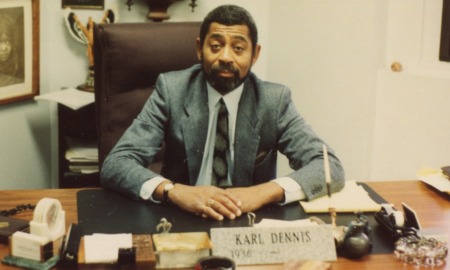
2.2KThe path blazed by Karl Dennis — “Father of Wraparound”
Karl Dennis was a foundational thinker, key architect and persuasive advocate for wraparound services.
-

 9.0K
9.0KWhy are we so afraid to let young people lead?
We say we want youth to lead, but we rarely let them.
-

 1.8K
1.8KWe don’t have to choose which adolescent challenge to tackle. They are all linked to the same five non-negotiables for optimizing development.
Direct interactions with youth need all five elements to optimize impact.
-

 4.1K
4.1KYouth mental health is personal. Our solutions need to be systemic.
Training existing school and program staff in adolescent development, trauma response and therapeutic principles could democratize access to mental health.