
Youth Today
Opinion
-

 3.7K
3.7KEducation and youth development are under attack: Now is the time to talk differently and act together
We have to build forward with a grounding in the evidence of what works.
-

 4.6K
4.6KCollege affordability is undermining student mental health. We can’t address one without the other.
College affordability isn’t separate from mental health; it’s at the center of it.
-

 2.3K
2.3KWhat is the next step?
We should build options for students to gain skills needed for alternative career pathways.
-

 1.8K
1.8KUniting in defense of the ecosystem
The Trump Administration abruptly announced that it's withholding ~$7 billion in federal education funding.
-
 2.3K
2.3KInvesting in the OST workforce: Dreaming big and starting small
How do we support youth workers to ensure they stay in the OST workforce?
-
 2.9K
2.9KQ&A: Advocacy group leader talks about the challenges of transitional kindergarten
Children learn at different rates. We need to individualize early childhood education.
-
 2.4K
2.4KCan you legislate a collaborative, youth-centered vision of education? Iceland did.
Iceland passed the Wellbeing Act mandating that all youth-field professionals collaborate across sectors.
-

 3.7K
3.7KWe surveyed 1,500 Florida kids about cellphones and their mental health: What did we learn?
What we learned suggests school phone bans may have important -- but limited -- effects.
-

 3.9K
3.9KUsing digital devices to lift up and support adolescents
We must identify and bring awareness to how digital technology can support development.
-
 2.0K
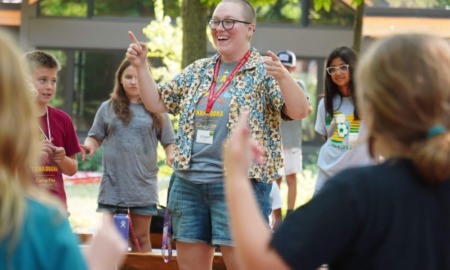
2.0KYoung people are telling us what they want: Are you listening?
How does Camp Fire offer young people inclusive programs with purpose, learning and connection?
-

 8.7K
8.7KWhat Netflix’s “Adolescence” gets wrong — and right — about ‘kids these days’
By the end of watching it, I wish it had been called "An Adolescent."
-
 3.6K
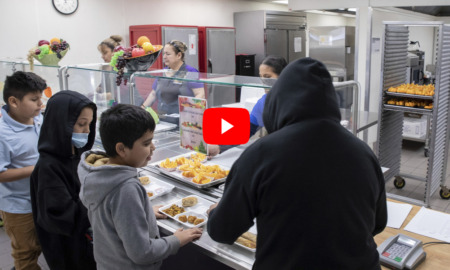
3.6KQ&A: Cuts to school lunch and food bank funding mean less fresh produce for children and families
How will these cuts affect families and schoolchildren -- and the nutrition available to them?
-

 1.3K
1.3KTransformative summer programs focus on learning love, not learning loss
Summer's the time for experimenting with new activities and building year-round, community-based learning ECOsystems.
-

 2.7K
2.7KQ&A: From summer slide to summer glide — Blending learning, engagement and fun
Brodrick Clarke's interview focuses on the connection between learning and development.
-
 1.7K
1.7KRe-centering youth work across systems
We must radically reimagine how we use our resources to benefit youth.
-

 1.3K
1.3KShifting mindsets: Acting differently requires us to think, talk and see differently first
What's the simplest, most consistent way to spark voluntary action to try something different?
-

 2.4K
2.4KConnection and co-regulation precede self-management: A common sense approach to learning, development and discipline
Self-control is not built through discipline/punishment; but cultivated through relationships, trust, and co-regulation.
-

 1.8K
1.8KIn learning ECOsystems OST must be a champion of positive youth development
OST and youth development are not interchangeable. One is about place, one about approach.
-

 3.3K
3.3KTrust, time and training: Unlocking the potential of learning ECOsystems
A new tool seeks to improve learning ecosystems by connecting educators to community partners.
-

 2.0K
2.0KTrust-based changemaking may change the world, but can it change institutions?
Imagine if learning ecosystems across the country and around the world adopted trust-based changemaking.