
In a post-Roe society, young women and girls need the power to choose. Menstrual health knowledge is agency, and agency is the foundation of choice. While we could talk about reproductive or sexual health, we must start with the basics. Without access to menstrual health education, young women and girls are without the most fundamental knowledge needed to make informed choices about their bodies and futures.
According to their 2024 review of the research on the reproductive health needs of youth in detention, April D. McNeill-Johnson, Carolyn Beth Sufrin, Michael R. DeBaun and Elizabeth Barnert state that one in three girls in juvenile detention has been pregnant.
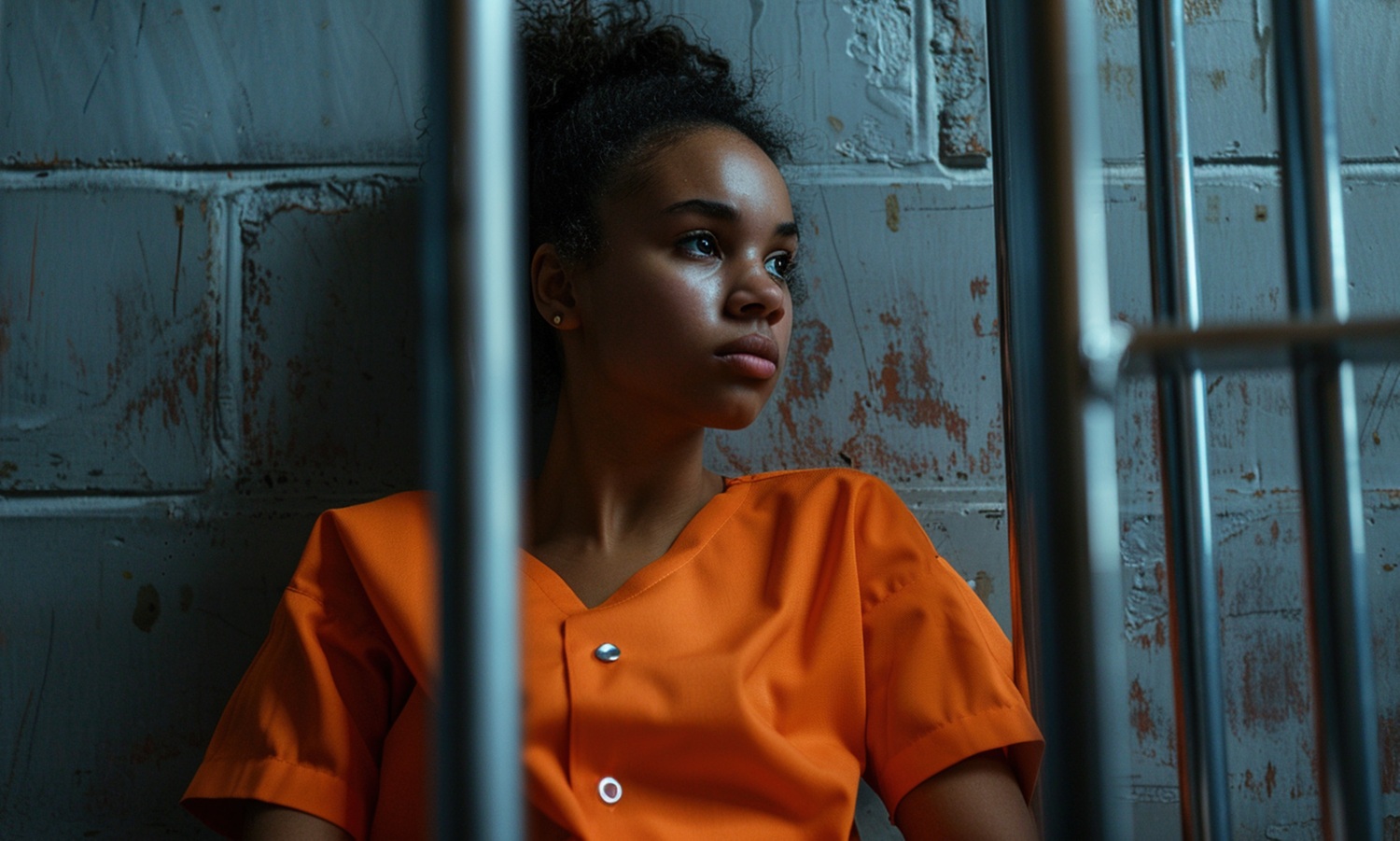
Liza, who had just turned 16, found out she was pregnant during a routine health screening when she arrived at a juvenile detention center. At nearly 12 weeks pregnant, Liza would be forced to carry that pregnancy to term in 19 states, Roe v. Wade.
Courtesy of Kathryn Tapp
Kathryn Tapp
When I, a graduate student, asked Liza what the facility could do to support her reproductive health, she looked at me blankly.
“Well, I don’t really know that much about my body,” she said. “All I know is that there’s a baby inside of me, and my stomach’s gonna get big. Yeah, that’s all I know.”
I sat across from her in a small interview room attached to the housing unit where her cell was, wondering: Would anyone explain her options before it was too late? More importantly, why hadn’t anyone taught her about reproductive health before she arrived? Would she be in this position if someone had?
Too often, conversations about pregnancy overshadow an essential foundation: periods. Menstrual cycles have been called “the fifth vital sign” because they reveal not just fertility but also broader health issues. For girls like Liza, detention may be the first time they have access to regular healthcare. Menstrual health education in detention is not just an opportunity — it’s an obligation.
Liza’s lack of knowledge is not unusual. A survey commissioned by Thinx, Inc. and PERIOD found that many youth lack basic reproductive health literacy. But for girls in the juvenile justice system, the barriers are even greater. Girls in detention are disproportionately affected by trauma, early sexual activity, sexually transmitted infections and teen pregnancy. Many girls are removed from unstable or abusive homes, incarcerated for running away, meaning they miss out on both parental guidance and access to care.
Girls in detention are among the most medically underserved populations in the U.S.
Typically, girls learn about menstruation from their mom, but for many system-involved girls, that education never comes. Detention may offer one of the only windows to teach them not just how their bodies work, but how to care for them.
In a 2019 commentary, public health researchers Julie Hennegan, Amy O. Tsui, and Marni Sommer emphasized the importance of integrating menstruation and fertility awareness into comprehensive reproductive health education. They argue that this foundational knowledge helps young people better understand their cycles, use contraception effectively, recognize abnormal symptoms and communicate with doctors or partners. That same year, Mike Armour and colleagues published a study showing that educational interventions can reduce confusion around painful periods — symptoms that may signal underlying conditions like polycystic ovarian syndrome or endometriosis, which often go undiagnosed for years.
The benefits go beyond health. In a 2022 survey conducted by researchers at Yale and Johns Hopkins, pediatricians and adolescents reported that youth frequently missed school due to period-related pain or lack of access to period products, which in turn increases the risk for justice involvement. For detained youth already struggling in school, that added barrier can be devastating. Helping them manage their cycles is one small but critical way to support their success.
A juvenile detention officer I interviewed, with 18 years of experience, put it plainly.
“It’s very, very sad how these girls don’t understand how their body works. And then they go out and get pregnant. And they don’t know how that works. And the meaning of that.”
Menstrual health education in juvenile detention is not a cure-all. It won’t end teen pregnancy or guarantee school success. And we must never allow detention to become a stand-in for the comprehensive healthcare that youth deserve in their communities.
But we owe them this knowledge. When we don’t provide it, we undermine their ability to choose their futures, care for their health and fully participate in society.
***
Kathryn Tapp is a doctoral candidate at Arizona State University’s School of Criminology and Criminal Justice, studying the intersection of health, incarceration and punishment with a focus on the menstrual health needs of incarcerated women and girls. Through her research, she has partnered with juvenile justice agencies and nonprofit organizations to provide reproductive health resources for system-impacted women and girls.