
When I was living at Covenant House, I knew my time there was limited. Covenant House in Newark is a youth homeless shelter that gave me stability when I needed it most. But like many young people with unstable housing, I wasn’t sure where I would go when I left.
Though people always told me I was smart,
none of the schools I attended growing up emphasized higher education.
Although one of my parents has a bachelor’s degree, college never felt guaranteed for me.
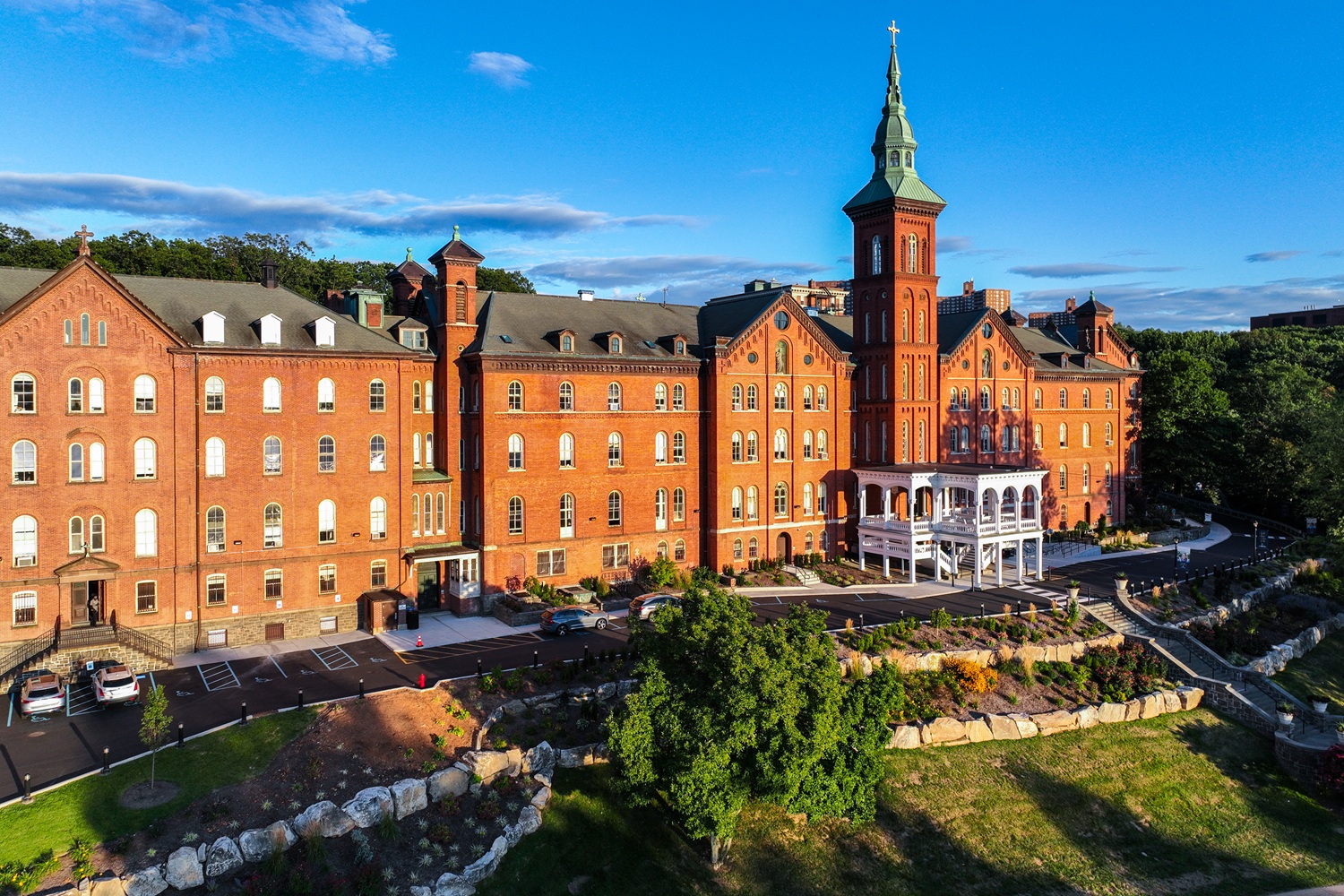
But then a Covenant House staff member mentioned a partnership with a university in the Bronx that supports talented students who experience homelessness or foster care but lack the financial resources to get there: the Mott Street Scholarship program at the University of Mount Saint Vincent (UMSV). She said it provided academic and counseling support through tuition, fees, books and insurance — for the entire college experience. Most importantly, I could live on campus.
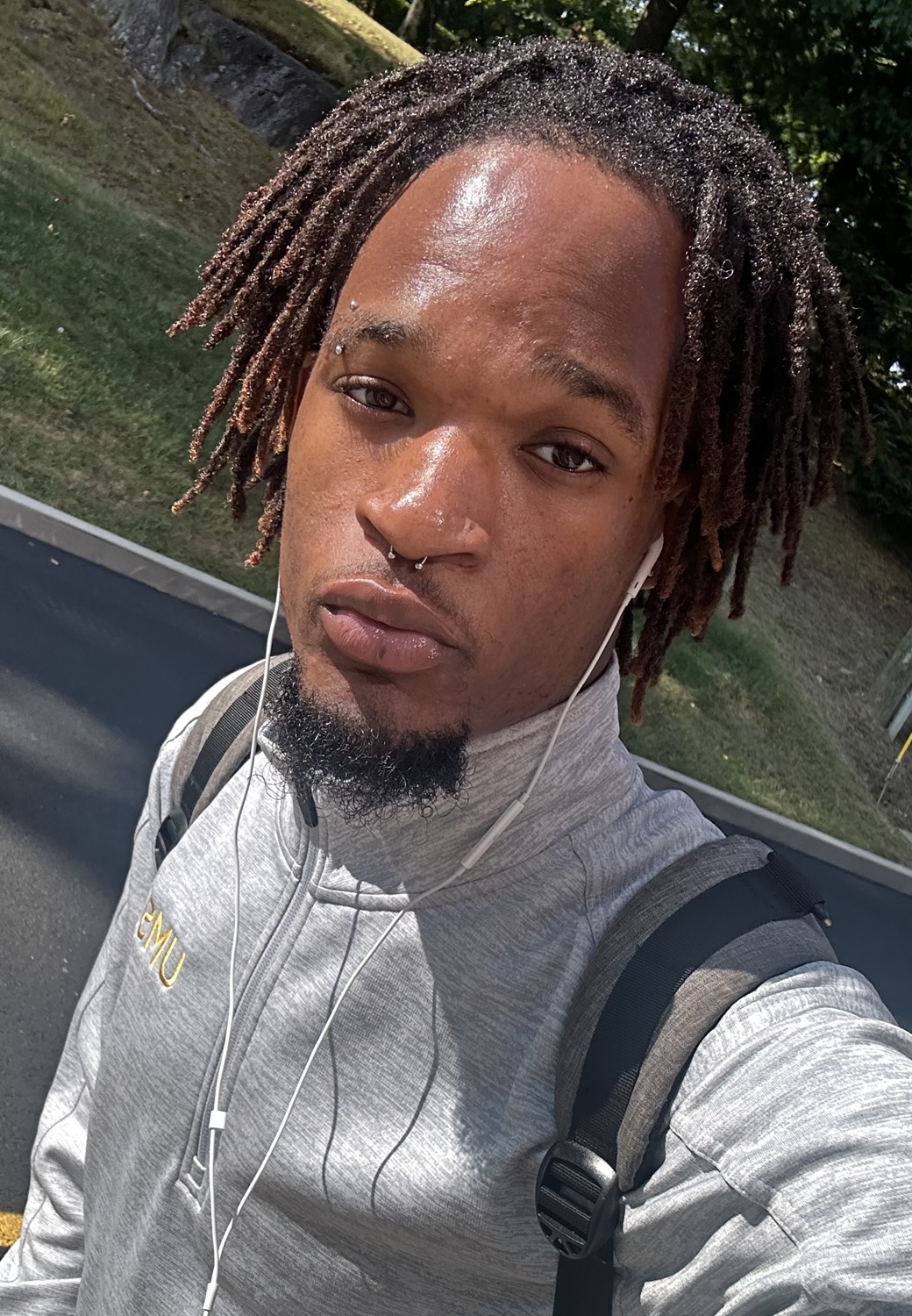
Courtesy of Elijah Garba
Elijah Garba
At that point, I was enrolled in community college, working toward my associate’s degree in criminal justice. I wanted to keep going, but I needed support — and on-campus housing.
[Related: New partnership to identify root causes of
youth homelessness, find real-world solutions]
I spoke with advisors at UMSV and my world opened up. Mott Street was a guarantee of stability. I could live on campus and graduate with extremely low debt. I wouldn’t have to choose between paying rent and going to class. And I could focus on building a future.
I transferred to UMSV two years ago, one of only 10 Mott Street Scholars in my year. Today, I’m a senior majoring in sociology with a minor in psychology. I’m enrolled in a dual-degree program and gaining credits toward a master’s in criminology at St. John’s University in Queens. Eventually I want to work in law enforcement or government.
The Mott Street Scholarship program gave me an opportunity to grow, not only as a student but as a young adult. I don’t have to worry about housing insecurity or daily survival. I get OMNY cards for the subway and I have advisors assigned to my program. I can just worry about being a student — and take on opportunities that will shape my professional path. I work as a tour guide in the admissions office, helping prospective students picture themselves at UMSV.
I also intern at Assemblyman Jeffrey Dinowitz’s office, assisting constituents with concerns that range from housing to city services. It’s my first hands-on experience in government, and I love helping constituents in the same district I live in.
[Related: What 20 years with court-involved youth has taught me about breaking systemic cycles]
I’ve also met mentors who have instilled me with confidence. Keith Kreindler is the conservatory director at UMSV and I often stop by and talk to him, not just about music, but about life. Kristin Lawler is a sociology professor and I like her so much I’ve taken four of her courses.
Mott Street gave me the mental clarity to plan for the future. It made me feel like I had a seat at the table.
I never would have dreamed of working for my assembly member, but now I do.
We need more programs like Mott Street. Many programs for at-risk youth do not focus on four-year degrees. The Annie E. Casey Foundation reports that between 29% – 64% enroll in college or other postsecondary programs. Yet just “8% – 12% earn a two- or four-year degree by their mid- to late 20s.” I want that number to grow.
Young people like me have ability, but we need consistent and meaningful support. As I look toward my UMSV graduation just a few months from now, it’s hard to imagine that I’ll soon be in a master’s program. But the support I got from the program created an easier transition to a college setting. That sense of community, from the other scholars, from my mentors, and from my professors, made all the difference.
Mott Street didn’t just help me attend college. It helped me build a life.
***
Elijah Garba is a senior at the University of Mount Saint Vincent. In the fall, he’ll enter a master’s program at St. John’s University in Queens. He hopes to work in the federal government.