
 Imagine this: You were told to show up at 10 a.m. for training, and if you’re honest with yourself, you’re dreading it. As you walk into the neatly arranged room, there are classic Motown tunes playing softly. You help yourself to a granola bar, apple and hot cup of coffee, and sit down at a table where coloring books and crayons are set up for use during the workshop. The instructor greets you by name and provides an agenda so you can review what’s to come. You grab a fidget toy, sip your coffee and feel your body settle as the session begins.
When we center staff wellness, professional development (PD) looks and feels different for both youth workers and trainers. Here’s what a restorative approach to professional development is, how to implement it and why it’s worth the time to do it right. (Spoiler: It doesn’t have to be complicated or expensive!)
What is restorative practice?
Restorative practice (RP) has become an increasingly popular approach to youth development. Rooted in ancient and Indigenous cultures around the world, including Native American, First Nation Canadian, African, Celtic and Hebrew traditions, RP is a model for building inclusive relationships. While restorative justice (RJ) – an approach for repairing harm after a conflict or incident – may be most widely known, RP is simply a human-centered approach to being in community with one another.
There is a growing body of literature on the positive social and emotional effects of RP and RJ in youth work and education. It’s time to apply these same restorative principles to the adults who do this work – in our leadership styles, communications and decision-making processes. RP can also be used to shape professional development, and below you’ll find six easy ways to integrate this approach today.
Why a restorative approach to PD?

Courtesy of Jen Curry
Jen Curry
(1) PD does not take place in isolation.
Due to program licensure requirements and time limitations, workshops, conferences and other scheduled learning opportunities are often delivered regardless of what else might be going on. We often see youth workers who are stressed, burned out, navigating personal trauma or carrying the weight of crises unfolding in their schools, programs and communities. A restorative approach recognizes that trainees are humans first and may need time and space to think, talk and heal as part of the PD experience.
(2) The quality of student experiences depends on staff engagement, and staff deliver stronger programs when their own needs are met.
Research from Hello Insight (formerly Algorythm) identifies staff engagement as a key driver of strong social and emotional outcomes for youth. “Programs that excelled at staff engagement used the exact same positive youth development practices to grow staff, creating a vibrant culture of learning and support.” They found that tapping into staff interests to shape PD, creating psychological safety and building strong relationships – all of which are characteristics of a restorative approach – were among the practices linked to the strongest youth outcomes.
(3) If staff aren’t ready to learn, their brains won’t be able to take in new information.
Neuroscience shows that when the brain is in survival mode, learning becomes biologically difficult. Similarly, feelings of emotional dysregulation can cause distractions from the professional learning experience, while breathing exercises, play and connection improve feelings of regulation and ability to engage. Additionally, an unstimulated brain will not be primed for synthesizing new information. Both boredom and overwhelm shut down the brain’s capacity to learn.
What is restorative PD?
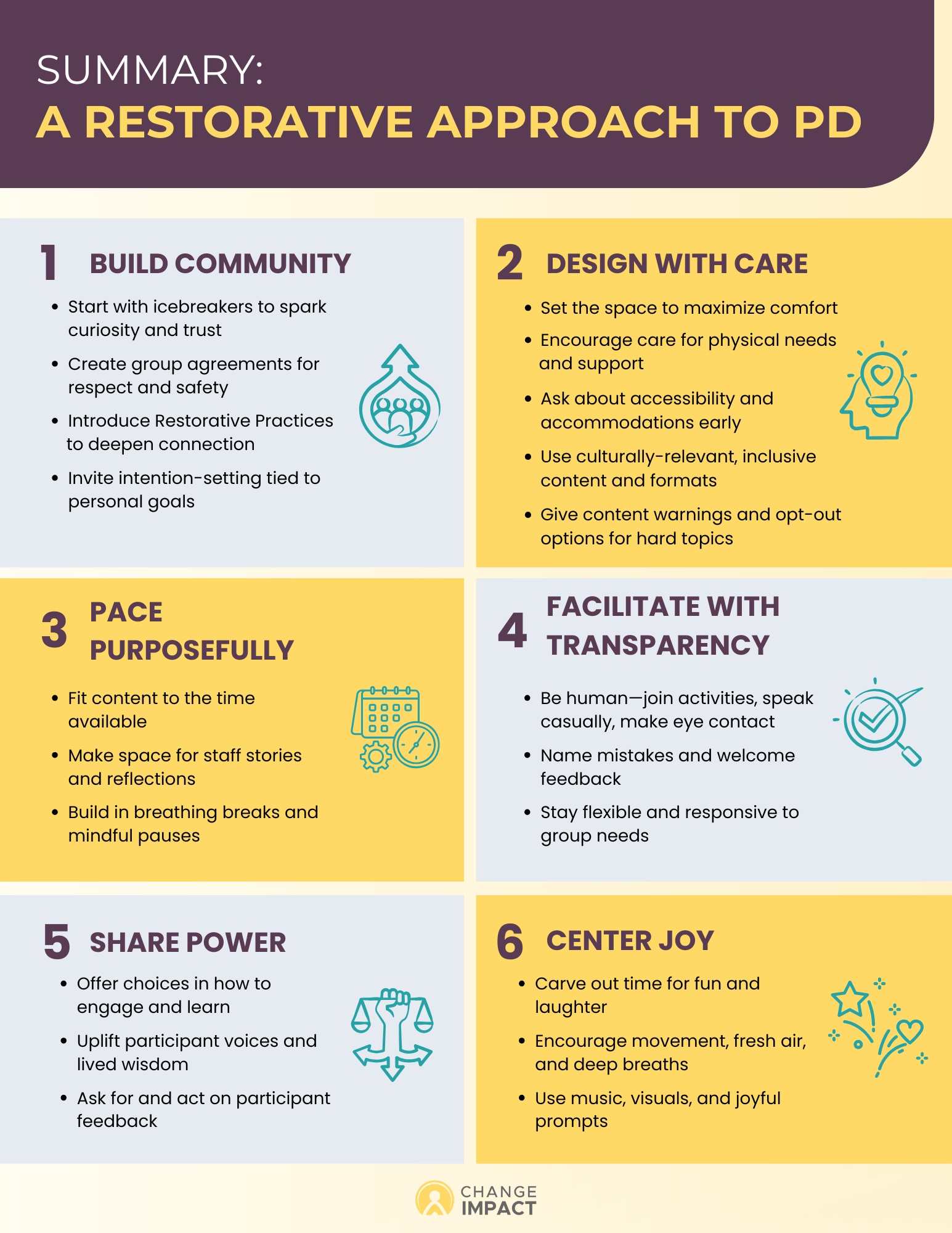
Try these six ways to integrate RP into your staff professional development.
How do we know this works?
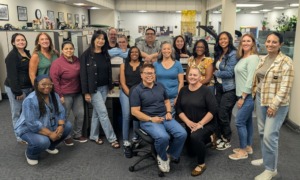
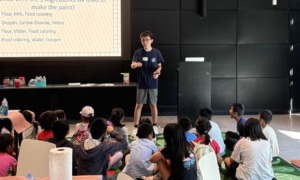
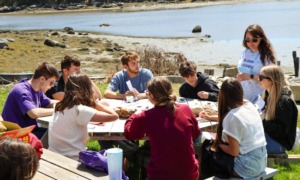
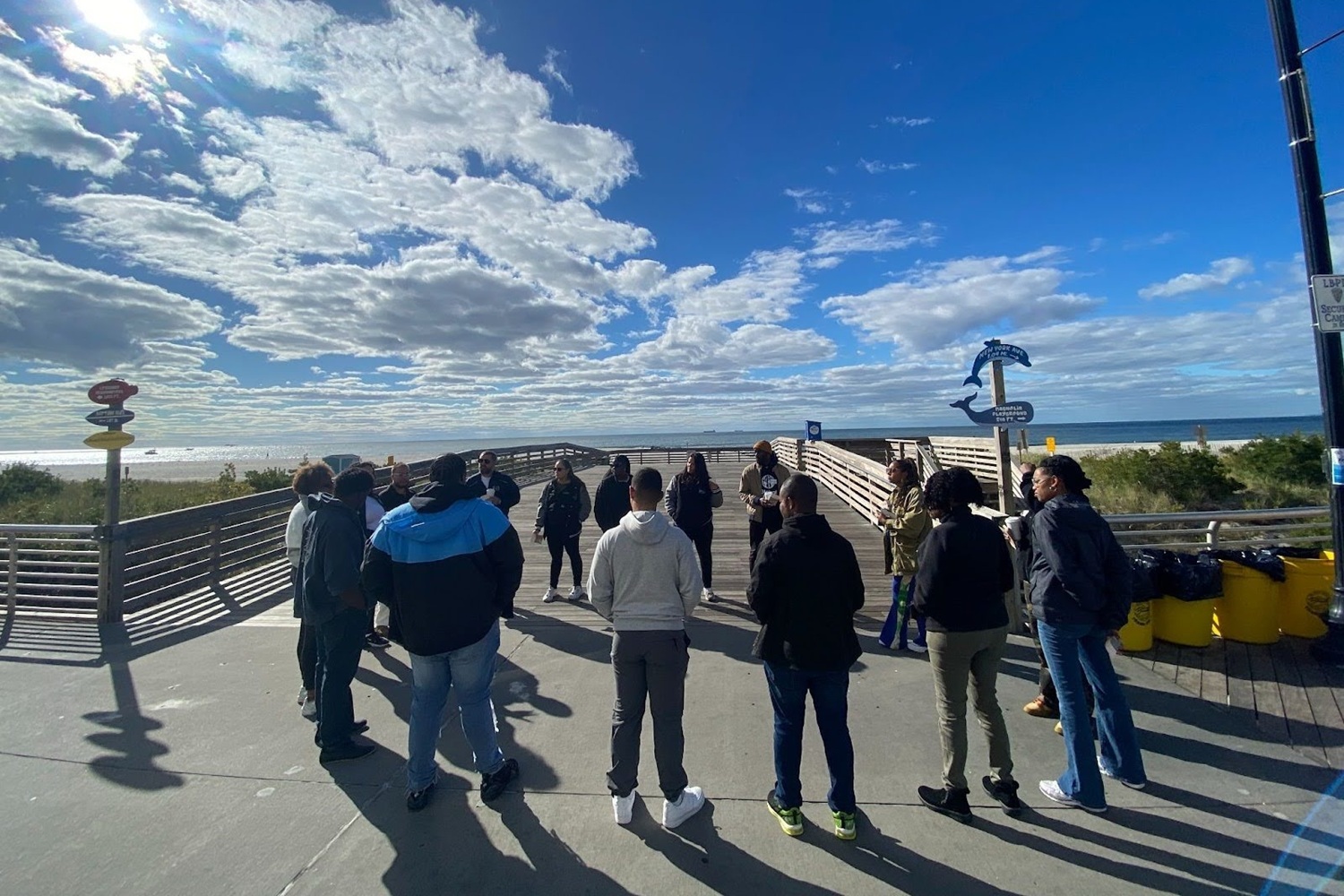
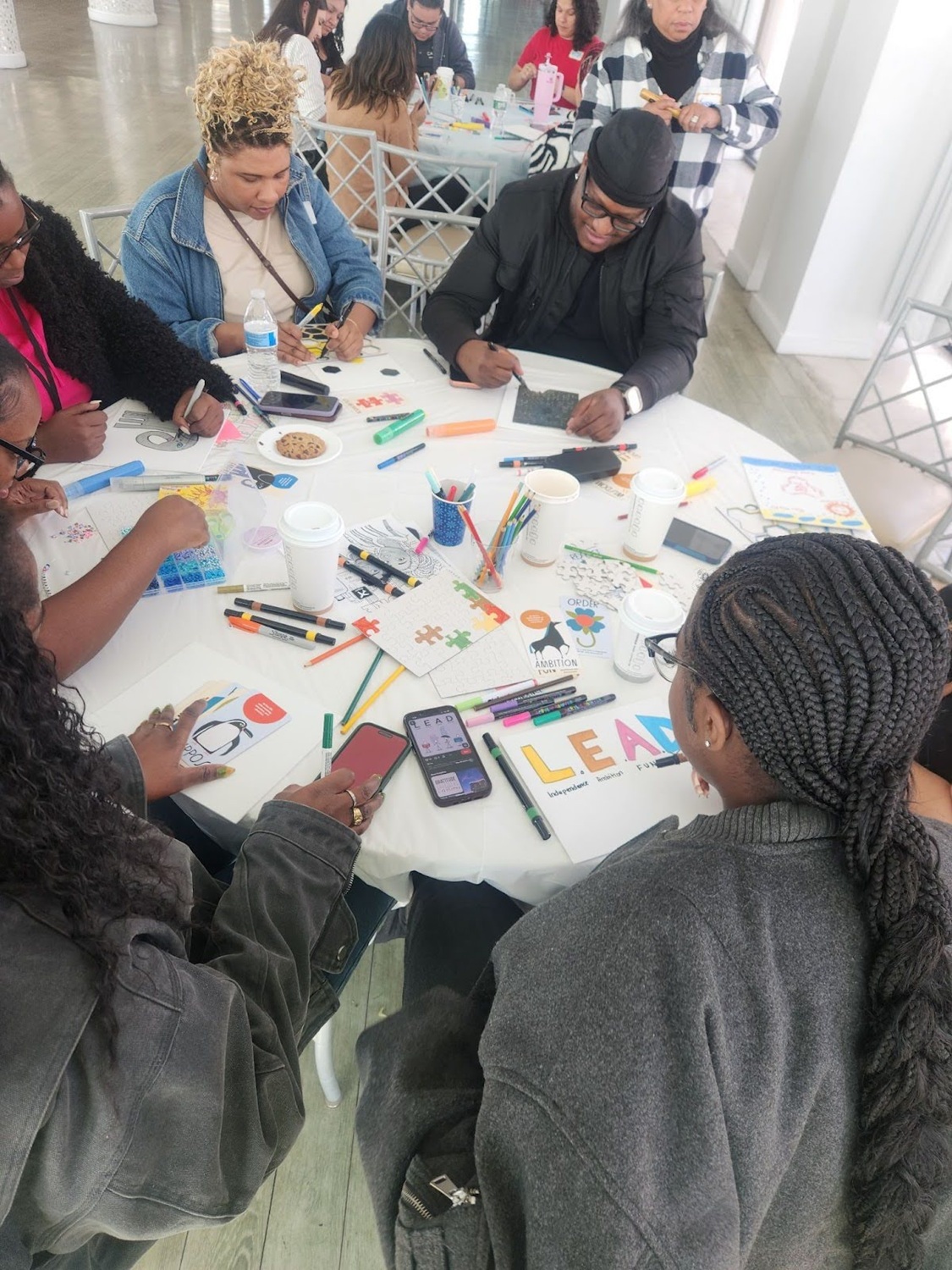
Through our work training tens of thousands of educators and youth work professionals across the country, our team has witnessed consistent evidence of this approach. We look forward to an external evaluation in the future, but for now, the photos and participant quotes below illustrate why we believe so strongly in the power of restorative PD.
“This event made me feel that someone thought I was worthy enough to be willing to pour into my cup.”
“It felt like the agenda and pacing intentionally prioritized giving us space
to feel relaxed, recharge and feel good.”
“The venue was a perfect location for us to escape the chaos of work environments
to be able to breathe and be present.”
Change Impact
Using art as a learning modality.

Change Impact
Games and coloring books for staff play during breaks.
***
This article is adapted from a 2025 Change Impact brief.
This piece is the latest in the Thriving Youth Need a Thriving Workforce Series. Previous pieces:
College students can help close the gap between demand and availability for afterschool programs
From turnover to graduation: Rethinking staff retention | Investing in the OST workforce: Dreaming big and starting small
Jen Curry, Ed.D., is CEO and founder of Change Impact, a capacity-enhancing organization working with nonprofits, schools and systems to achieve results and advance equity for youth.