

As adults and educators, we must step aside and walk alongside young people as they step up.
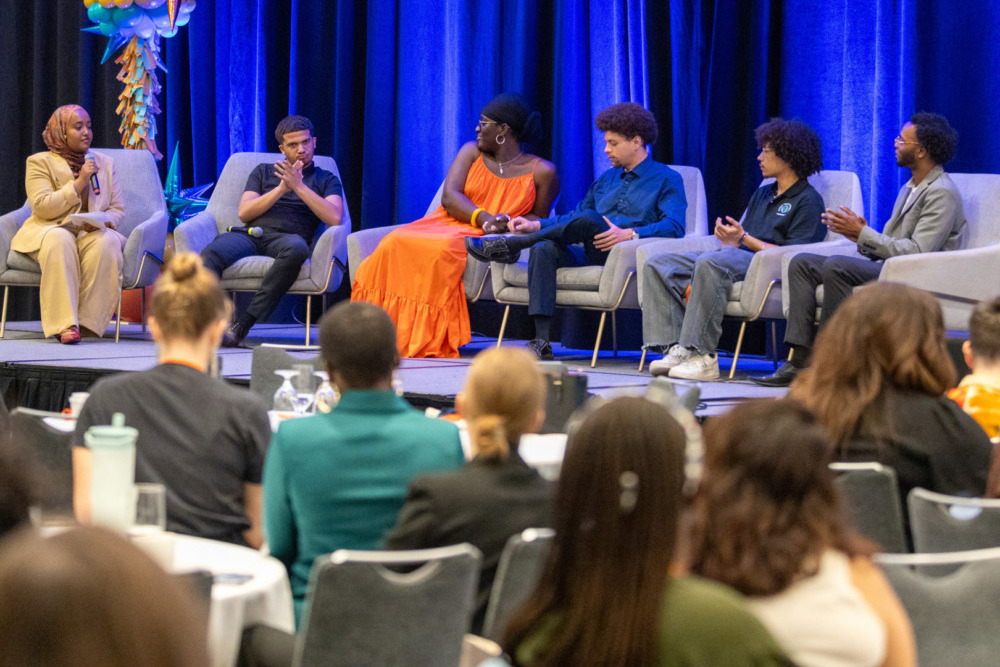
This key takeaway from a powerful panel at the Every Hour Counts National Conference — Better Together: Lighting the Path Forward — echoes findings from recent national surveys.
The panel featured five youth-led programs from the Twin Cities: Bridgemakers, Good Trouble, World Youth Connect, Youthprise, and Believe in What’s Possible. The panelists emphasized that even as they lead, they need support in attaining well-being.
Cole Stevens, Bridgemakers director of impact, shared how the program helped him “turn my pain into power and purpose.” He emphasized that the nonprofit sector must work with the youth most impacted by the problems to solve them, supporting them personally along the way. He described “stepping stones” to support them which include skill development, emotional management and navigating uncertainty.
This made me reflect on the concept of “proximity,” as described by Bryan Stevenson of the Equal Justice Initiative. Those most impacted by unjust systems are uniquely positioned to challenge and change those systems. And they can be the first to tell you if you are upholding and perpetuating unjust systems and policies or if you are truly pushing against and changing them. Proximity doesn’t just lead to solutions — it fosters accountability.
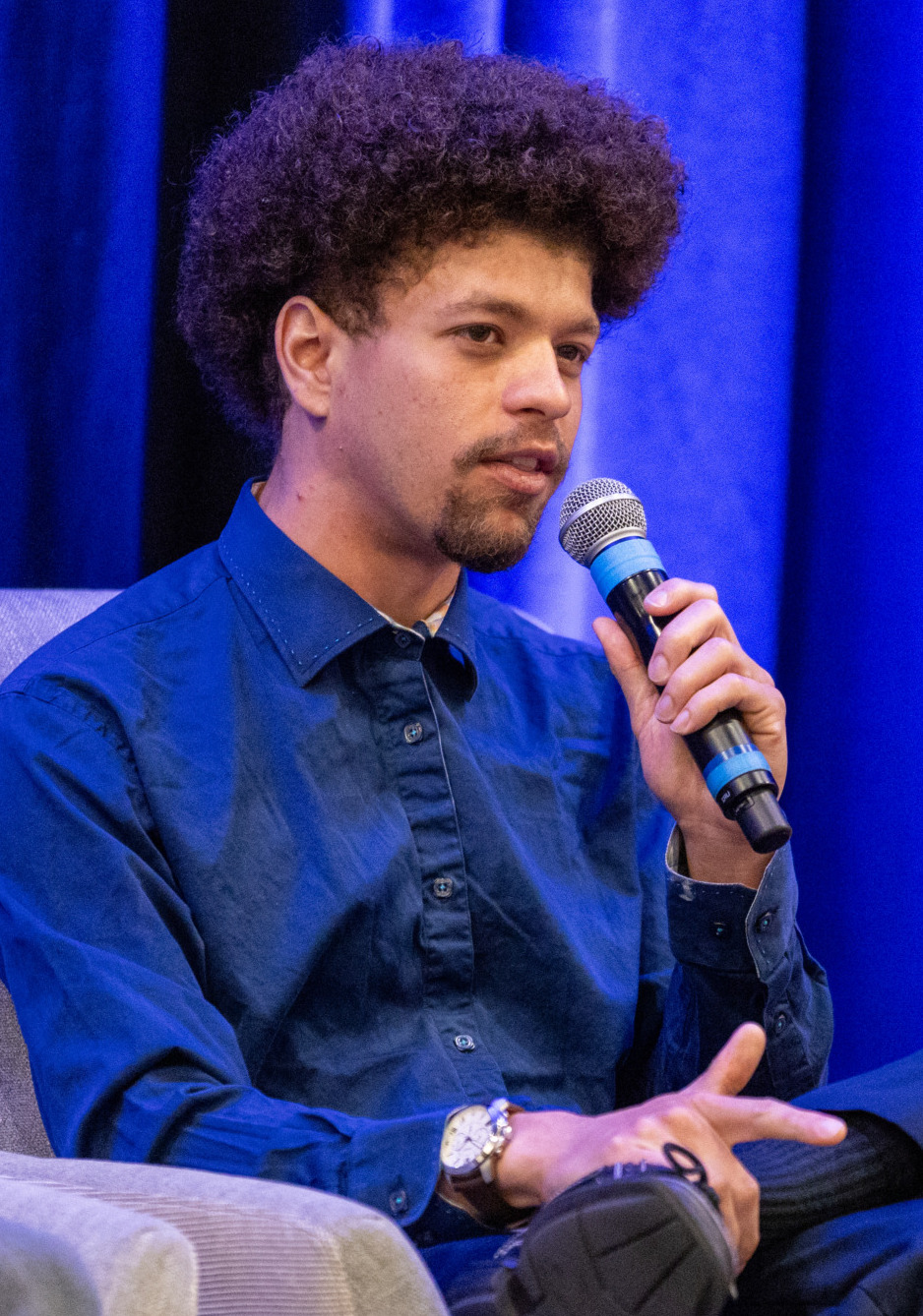 Courtesy Every Hour Counts and Uzoma Obasi of Creative Mind Studios Cole Stevens, , Bridgemakers, director of impact. |
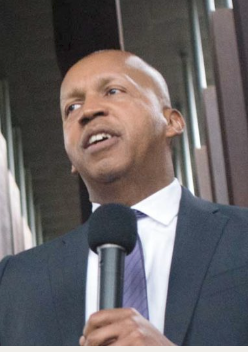 Courtesy Equal Justice Initiative Bryan Stevenson, Equal Justice Initiative, founder and executive director. |
Julian Spencer, co-founder of and movement lead at Good Trouble, shared the organization’s three core beliefs:
- Youth are key to the solution, not the problem,
- Everyone has unique gifts to give and society is in desperate need of them,
- We must put these gifts to work, honoring youth in places where their potential is fully realized.
King Mobley, youth leader at World Youth Connect, emphasized this notion of putting gifts to work, sharing how his program differs from “cookie-cutter programs” by helping youth “light their torch to see the way forward.”
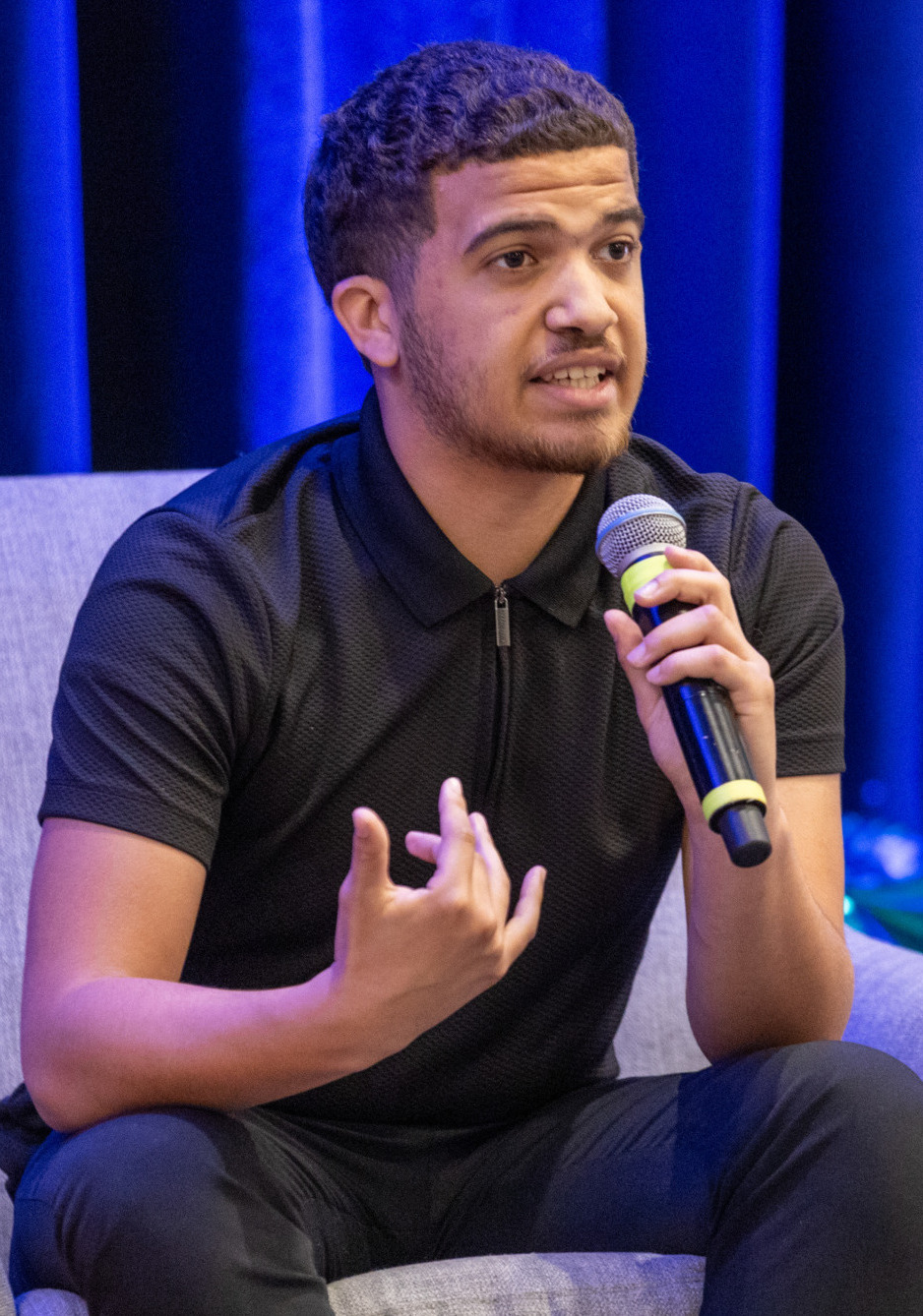 Courtesy Every Hour Counts and Uzoma Obasi of Creative Mind Studios Julian Spencer, Good Trouble, co-founder of and movement lead. |
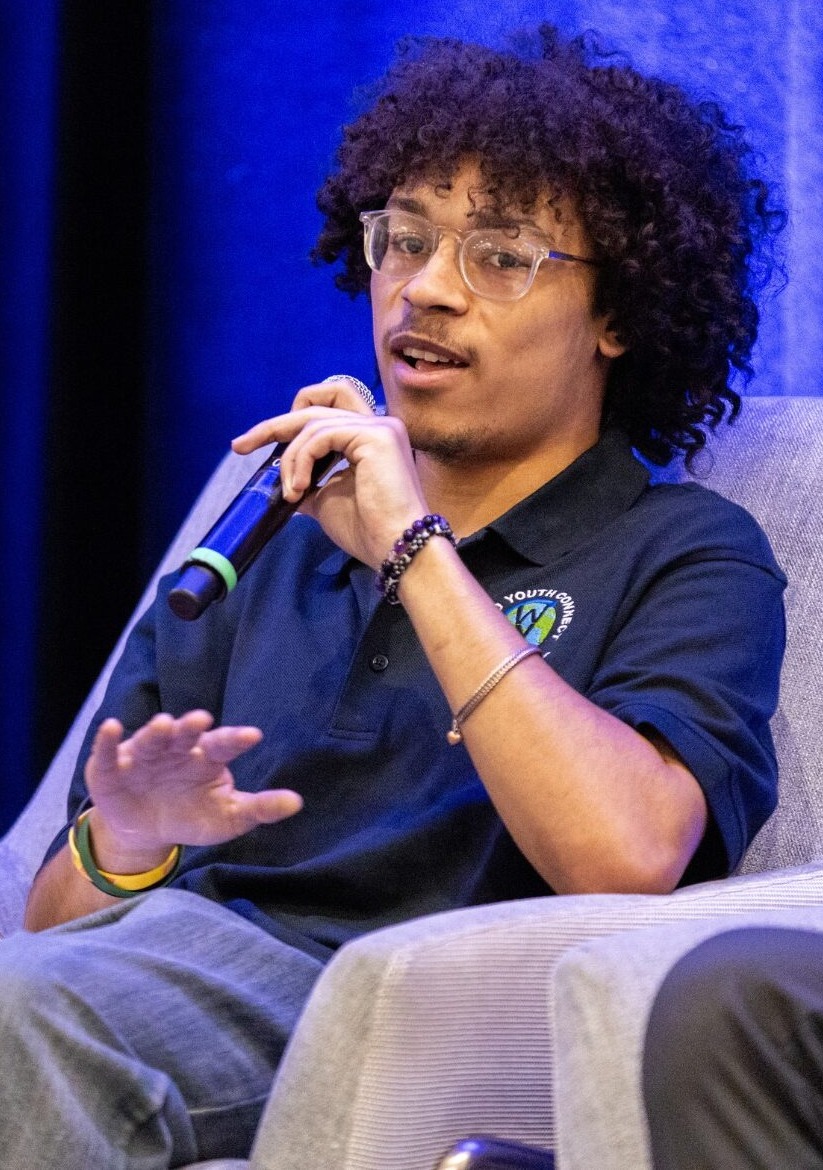 Courtesy Every Hour Counts and Uzoma Obasi of Creative Mind Studios King Mobley, World Youth Connect, youth leader. |
[Related: From frontlines to funding: Youth changemakers and a call for radical philanthropists]
The report, “Powered by Youth Voice: Future Directions for Afterschool,” commissioned by Every Hour Counts, underscores the untapped potential in afterschool programs in providing the supports and opportunities these leaders emphasized. Based on surveys of 1,087 young people, it found that while some participate in leadership and wellness activities, they want more. The report states:
“At the heart of what youth want in their vision of afterschool programs is to have a voice.”
They want to contribute to decisions and practice leadership.

Courtesy of Dara Rose
Dara Rose, Horizons National senior vice president.
These findings align with those in the report, “State of Young People: Youth Perspectives on Social Divisiveness, Civics, Artificial Intelligence, and Mental Health in 2024,” commissioned by America’s Promise Alliance. Key findings include:
- Young people feel social divisions and distrust the political system. They believe correcting social inequality and focusing on the U.S. economy should be priorities for leaders.
- Youth want access to civic education but have few opportunities to engage in it outside school. Black youth and those with civic education tend to engage more.
- Young people are divided on the benefits of artificial intelligence (AI), with inconsistent experiences across schools.
- Many are stressed and seek more mental health services, recommending expanded counseling and peer-led groups.
- Over a third of young people are not thriving, especially LGBTQ+ youth. Financial security and mental health hinder thriving, while close relationships are a key asset.
Young people have been at the forefront of social movements and innovations not just because they have the creativity to drive change, but because they have the most at stake. We need to emulate successful programs like those highlighted on the panel and help transform pain to power and purpose. This requires schools and community programs to provide skill development, emotional support, and meaningful leadership opportunities to young people.
Let us be inspired by Spencer, who shared these words from Rep. John Lewis:
“Do not get lost in a sea of despair. Be hopeful, be optimistic. Our struggle is not the struggle of a day, a week, a month, or a year, it is the struggle of a lifetime. Never, ever be afraid to make some noise and get in good trouble, necessary trouble.”
[Related Grant Opportunity: Explore all our grant listings]
***
As a senior vice president at Horizons National, Dara Rose leads service provision inclusive of peer learning, policy setting and implementation support to a network of affiliates in 20 states. Previously, she worked over a decade at The Wallace Foundation and, prior to that, spent over 15 years as a youth worker, program coordinator and manager at several New York City-based nonprofits.