
At Helping Mamas, a nonprofit baby supply bank in metro Atlanta, grant applications are a never-ending task.
Jan Ruth Mayheu, director of major gifts, said grants contribute significantly to their revenue. She is a one-woman development operation and stays organized with a goals calendar with targets and task deadline reminders.
“I have to make decisions on which grants to apply for based on the likelihood of success and time constraints,” Mayheu said. “I have found that sometimes the application and reporting procedures are very time-consuming, so that can often deter me from applying.”
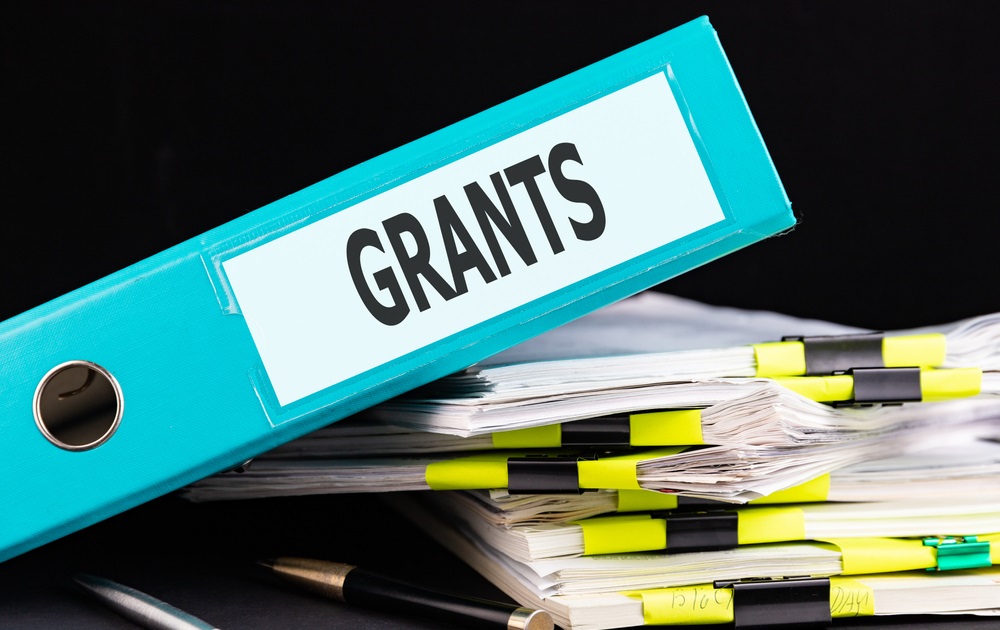
Grantseeking can be an overwhelming, complex process — from the research and strategic plan to the actual writing of the proposal. A 2020 study by Grant Station showed that 67 percent of nonprofits spend anywhere from two days to two weeks writing their proposal. And 18 percent of all respondents agreed that lack of time and staff continues to be the greatest challenge in grantseeking.
Joy Pope, program director at the Decatur Book Festival, said she struggles with finding time as well as appropriate grants.
“I just make time for it, even if there isn’t extra time” for grant seeking and writing, she said.
Kristy Van Hoven from the National EMS Museum is no stranger to the challenges of running an unconventional nonprofit. The EMS Museum is a virtual museum that collects, preserves and shares the history of emergency medical response in the U.S.
“There is no good, accessible place to look for grants that support what we do,” she wrote in an email. “Most grant opportunities don’t work with museums (let alone virtual museums), so we usually find ourselves needing to go into uncharted waters.”
In the case of the museum, the emphasis on virtual connection during the pandemic worked to its advantage. Available grants were geared toward virtual nonprofit programs and donors engaged remotely from their homes, leading to a great year for the museum.
But as the country reopens, funding has begun shifting back to brick-and-mortar organizations that need help with overhead and programming. A lot of those potential relationships that Van Hoven cultivated went cold as grantors shifted priorities away from virtual programs.
Mayheu and Van Hoven both said they sometimes prefer to dedicate time to fostering a specific donor or foundation relationship rather than pouring all their efforts into applying for overly burdensome grants.
Van Hoven said nurturing those connections has been vital to not draining the museum’s resources with every grant application.
“Know that you’re not alone in the challenges you face,” Van Hoven said. “Somewhere out there, there’s another small organization living crumb to crumb and facing similar challenges.”
“Engage the board, find a great volunteer team, and keep on with the important work,” she added.
The toolbox:
- Start small. Starting small and understanding your bandwidth after submitting a few grant applications will help you know how long you need for one.
- Get organized. Bookmarking all deadlines on your calendar with recurring annual reminders and adding time blocks for research. If you can, delegate to an organized intern to start the draft process, and you can approve and send it.
- Sign up for free grant searches and webinars. Add your organization to all available grant searches like Grant Gopher, Candid, and others. Grant webinars and email newsletters are great ways to get exposed to new funders as well.
- Reach out to colleagues. If there’s no centralized place to find grants that apply to your organization, ask colleagues in your nonprofit community how they found grants and how they dealt with requirements.
- Assign one person to learn the process. Often heads of nonprofits are in charge of this, but this is an excellent opportunity to put an intern or long-term volunteer to work. Put them in charge of researching, simplifying requirements, recording deadlines, and putting together draft applications.
- Keep important data in one place. Most grants will require you to show specific numbers to show follow-through and growth. Have it all handy for quick retrieval while you or an intern fills out the application.
- Nurture past foundation relationships. Every relationship you nurture and keep is one less that you have to cultivate in the future. Prioritize staying in contact with past donors and grantors with updates on how funding was used or growth in your nonprofit.
- Don’t discount cold messages. Stay on the potential funders’ radar by sending notes on LinkedIn, email or other platforms. Even if you don’t fit into their guidelines, you may work well with someone in their network and the outreach could lead to potential funding.