

Youth Today
All posts tagged "learning ecosystem"
-

 1.1K► Reports
Investing in the workforce to sustain and expand youth services in NYC
The Collaborative for Advancing Youth Development gives recommendations on how NYC can better support and sustain its youth services workforce.
-

 1.3KOpinion
A flashlight on the life spaces of young people
Community youth surveys can illuminate where opportunities are plentiful, uneven or missing across the developmental ecosystem.
-

 1.3KOpinion
You might also like: The problem with learning styles
While it stems from a generous and well-meaning instinct, the popular focus on fixed learning styles can be more restrictive than helpful.
-

 1.3KOpinion
No youth thrives alone
The Thriving Youth Knowledge Exchange podcast discusses how to rebuild well-being, groundedness and agency to hold youth as they learn to hold...
-
 2.5KOpinion
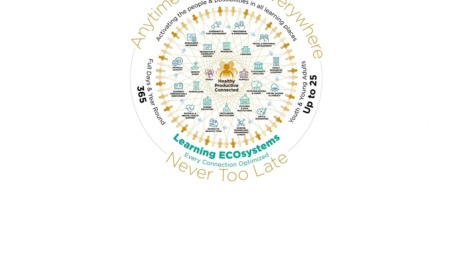
Every Connection Optimized: Four accelerators for activating learning ECOsystems where all youth thrive
A new blueprint identifies four accelerators crucial to constructing learning ecosystems and a workforce dedicated to thriving youth and families.
-

 2.6KFrom the Field
Strengthening school/afterschool partnership: Tips and trends from the 2026 School Superintendents Conference
At the 2026 National Conference on Education hosted in Nashville by the School Superintendents Association, I heard a sentence that defined my...
-
 1.8KOpinion
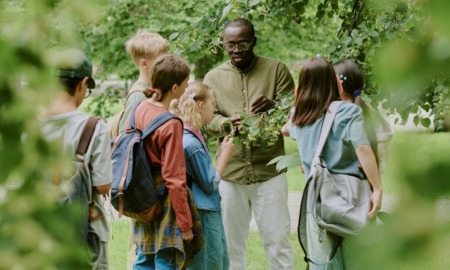
What John King’s teachers were actually doing
Helping youth thrive is about designing learning environments that prioritize consistency, challenge, and agency.
-

 1.7KOpinion
Structure, control and leaving room
Youth practitioners play a critical role in shaping youth environments by establishing norms, safety, and a larger vision — not by controlling...
-

 1.8KFrom the Field
Beyond fragmentation: Advancing continuity of care and cumulative opportunities in OST
OST can move from a patchwork of programs to a cohesive ecosystem boosting equity and learning; becoming a vital part of the...
-

 1.3KGrants
Out-of-school time learning ecosystem support grants
GRANT FOCUS: Learning Ecosystem/Environment, Out-of-School Time, Afterschool, Family Support | Amount: $25,000 - $100,000 | Deadline: Apr. 9, 2026
-

 2.9KFrom the Field
Flourishing in the Age of AI: Q&A with Courtney Garcia of LearnerStudio
Merita Irby speaks with LearnerStudio's Courtney Garcia about a new anthology exploring what it means for young people to flourish in the...
-

 2.2KFrom the Field
To fix student absenteeism, schools must support families first
With chronic absenteeism still 50% above pre-pandemic levels, schools are using ineffective punitive or reward-based strategies instead of family supports.
-

 1.7KFrom the Field
Joy, partnership and play create belonging and increase attendance
We must ensure kids are experiencing high-quality recess and a school climate that makes them want to attend every day.
-

 3.2KFrom the Field
Q&A with Karen Pittman, 2026 recipient of the NEA Foundation’s Outstanding Service to Public Education Award
Youth Today's Karen Pittman, often referred to as the godmother of positive youth development, received the award on February 13.
-

 1.3KFrom the Field
On program quality
Katherine Plog Martinez speaks with Thomas Akiva on how youth-serving organizations can ensure youth program quality by recognizing three key developments.
-

 2.0KOpinion
Big Thought: The ecosystem intermediary behind Dallas City of Learning
Big Thought brings arts education into the community and tackles other opportunity gaps.
-
 2.3KOpinion
From systems leadership to ecosystems stewardship: A next step for OST intermediaries?
The benefits of comprehensive learning ecosystems are vast, but a vital part of maintaining and stewarding them will fall on OST programs/intermediaries.
-

 6.4KOpinion
The new federal education tax credit: A time to make lemonade?
Large youth-serving organizations could take advantage of a new federal education tax credit originally meant to establish a national voucher-like program.
-

 7.2KOpinion
Why unconstrained kids need unconstrained ecosystems
Understanding developmental pathways of constrained and unconstrained skills helps realize the importance of learning ecosystems.
-

 4.8KOpinion
Q&A: The Alliance for Youth Thriving
The Alliance for Youth Thriving connects leaders across youth sectors to tackle common challenges.