

Youth Today
All posts tagged "Feature Story"
-
 989From the Field
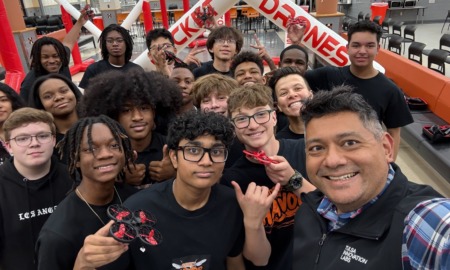
Giving Tulsa students a clear path from curiosity to career
Afterschool STEM programs spark interest and help students build skills and confidence while increasing awareness of STEM careers.
-

 950Opinion
An invitation to learn, reflect and act together for equity-centered thriving
A new podcast features foundational thinkers, exemplary youth practitioners and policy leaders discussing what it takes to support equity-centered thriving.
-

 1.2KOpinion
A restorative approach to professional development for youth workers
Jen Curry of Change Impact highlights restorative professional development for the youth workforce, detailing six ways organizations can implement it.
-

 1.6KOpinion
From chronic absence to chosen presence: The case for new measures, especially for high schoolers
Looking at what motivates students to attend when they don’t have to could be the secret to helping communities reduce chronic absenteeism.
-

 1.2KOpinion
On readiness to change
Katherine Plog Martinez speaks with Arielle Lentz about the importance of youth organizations' readiness to implement science-based youth development.
-
 1.3KOpinion
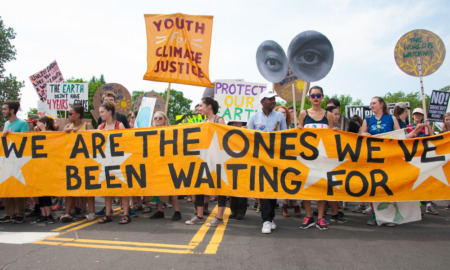
The missing voices in climate decision-making: Youth
Why are youth left out of climate decision-making spaces and conversations about the climate crisis we will inevitably inherit?
-

 1.5KOpinion
College students can help close the gap between demand and availability for afterschool programs
These collaborations benefit the institutions and partner organizations, the college students serving in these afterschool program roles and local youth.
-

 1.5KFrom the Field
New partnership to identify root causes of youth homelessness, find real-world solutions
A new partnership will drive the building of prevention and exit ramps to halt and reverse the youth homelessness crisis.
-

 3.9KOpinion
The new federal education tax credit: A time to make lemonade?
Large youth-serving organizations could take advantage of a new federal education tax credit originally meant to establish a national voucher-like program.
-

 1.1KOpinion
Shifting the game: Kuhn, hip-hop and the future of youth work
Hip-hop shows that the next paradigm begins at the margins. If we learn to recognize that in youth systems, we may help...
-

 1.3KOpinion
How youth are leading change in pediatric rheumatology
There are only ~420 board certified pediatric rheumatologists in the U.S., creating a stark lack of access. Room4Rheum is looking to change...
-

 2.0KOpinion
On Integrating Research and Practice: A new resource bridges the gap
The ultimate goal of this book is to bring the voices of leading positive youth development scholars directly to youth development practitioners.
-

 2.0KFrom the Field
Back to school, back to Unified: How your organization can champion inclusion
Unified isn’t just about sports; it’s about creating opportunities for connection, understanding and leadership by welcoming students of all abilities.
-

 2.6KOpinion
A capstone essay on 50 years of promoting positive youth development
Positive youth development researchers/practitioners must remain steadfast in providing every young person with developmental assets and relationships.
-

 4.1KOpinion
Why unconstrained kids need unconstrained ecosystems
Understanding developmental pathways of constrained and unconstrained skills helps realize the importance of learning ecosystems.
-

 5.3KNews
Q&A with Alex Lohrbach on the release of the Elevating Youth Engagement curriculum
EYE curriculum prepares adult partners and young leaders to create change in child welfare systems.
-

 4.6KOpinion
When positive youth development meets the Native Tongues
At first glance, positive youth development and the Native Tongues might seem to live in different worlds. But look closer and you...
-

 4.7KOpinion
Never too young to be an advocate
As a foster youth, I've figured out how to find the adults who can advocate for me and teach me.
-

 1.9KOpinion
What we don’t say about child sexual abuse — and why it matters
Child sexual abuse doesn’t disappear when it’s unspoken. It spreads.
-

 2.5KOpinion
Stolen futures: Why agencies must stop misusing foster kids’ benefits
Child welfare agencies intercept funds meant for foster youth in a profound ethical breach.