
Youth Today
From the Field
-

 4.7K
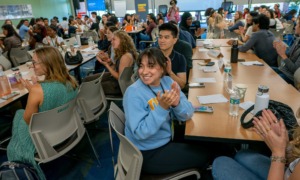
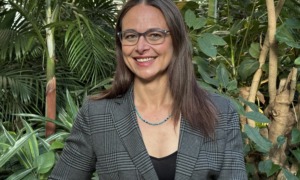
4.7KQ&A with Michaela Leslie-Rule on “How We See Us”
Katherine Plog Martinez talks with Leslie-Rule about writing “How We See Us”.
-
 6.9K
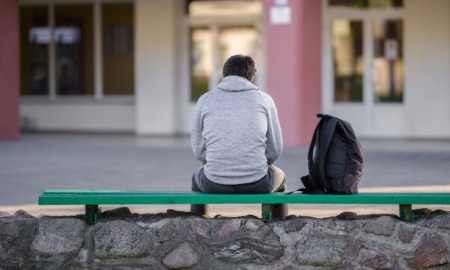
6.9KWhat back-to-school season reveals about youth in foster care — and the attendance crisis
Foster youth miss school, repeat grades and drop out more compared to their peers.
-

 1.9K
1.9KEvolving with teens: Building programs to keep them connected through grief
Childhood grief can resurface as milestones magnify the absence of someone and many youth do not have the capacity to work through...
-

 2.7K
2.7KFrom curiosity to action: Learn to engage youth in YPAR
In youth participatory action research (YPAR), youth and adults partner together for a cycle of research and action.
-

 6.2K
6.2KQ&A with Michael Crawford, America Succeeds
Karen Pittman speaks with Michael Crawford, Ph.D. of America Succeeds about its goals, including why they have joined the Alliance for Youth...
-
 2.6K
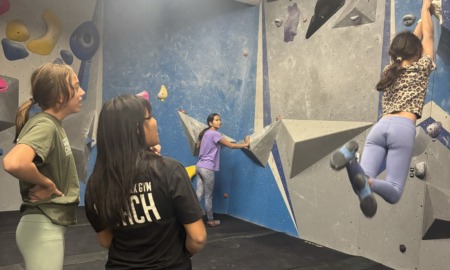
2.6KFrom athlete to coach: A new ascent
A youth sports coach discusses the challenges young athletes face growing up within their sport and how becoming a coach can be...
-

 2.0K
2.0KChild care solutions for community colleges
Community college child care options lag student needs everywhere because of insufficient investment at the federal and state government levels.
-

 2.7K
2.7KNavigating to next: Making complex pathways clearer with people-powered supports
In a complex economic landscape and postsecondary ecosystem, youth need navigators and postsecondary transition coaches.
-
 2.4K
2.4KAdoption still matters for older youth
Many youths transitioning out of foster care must survive and figure out their identity alone.
-
 3.9K
3.9KThe crisis in Gen Z’s political education
Today’s youth are forming political opinions and social identities on online platforms built for engagement.
-
 8.1K
8.1KAfterschool STEM: Turning curiosity into careers and citizenship
A growing body of evidence shows that high-quality afterschool STEM programs excite and engage youth.
-
 2.8K
2.8KWhat happens when Bronx students lead the way in STEM equity
Black and Latino students are underrepresented in STEM. Too often, this reflects a lack of access to early, hands-on, project-based STEM learning.
-
 3.3K
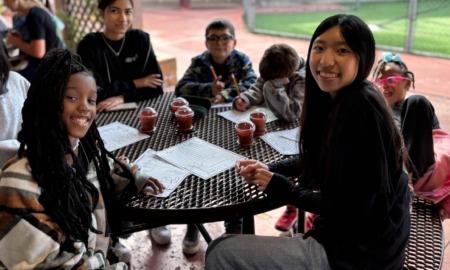
3.3KExpanding horizons, essential relationships: The evidence of afterschool impacts
We learn and grow through relationships — and when these are paired with high quality learning and leadership opportunities, real transformation happens.
-
 7.3K
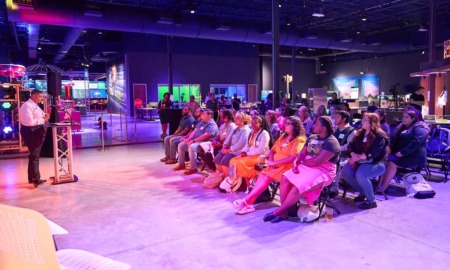
7.3KIn San Antonio, TX, youth development programs work together toward a shared vision of youth thriving
Excel Academy focuses on strengthening youth development workers’ capacity to build relationships with youth.
-

 2.2K
2.2KThe missing conversation: Heart disease and the teen years
By age 18, many teenagers are already burdened with cardiovascular risk factors.
-
 4.6K
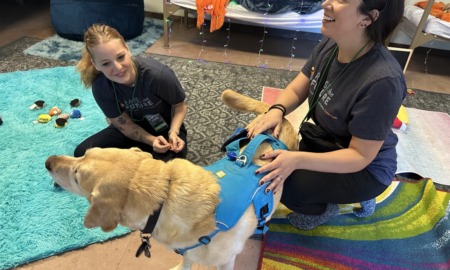
4.6KThe healing power of camp: Trauma-informed adventures for kids in foster care
These camps aren’t just about outdoor fun; they are about community and connection.
-

 6.1K
6.1KShifting the culture of youth sport by supporting coaches
To incorporate positive youth development principles, coaching must be about more than drills and playbooks.
-
 4.7K
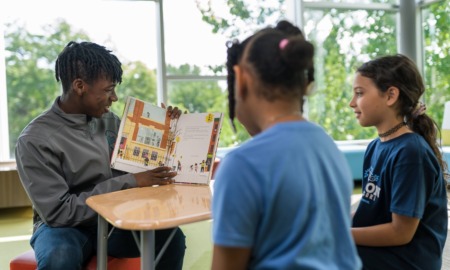
4.7KQ&A: How service learning, done well, changes lives
Karen Pittman speaks with YSA's Scott Ganske about the current state of service learning.
-

 4.6K
4.6KQ&A: From anxiety to connection: How Wyman helps teens build social skills
Youth Today spoke with Williams to learn more about Wyman's Teen Connection Project.
-

 2.9K
2.9KReimagining support for learning differences: What parents find in learner-centered environments
Learner-centered environments can help students with learning differences do more than just get by.