
Youth Today
From the Field
-

 3.8K
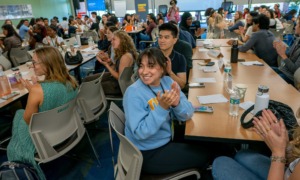
3.8KReimagining the “aging-out” mindset: Building networks of care, not just building independence
Foster youth are expected to navigate adulthood as access to services and support disappears.
-
 2.3K
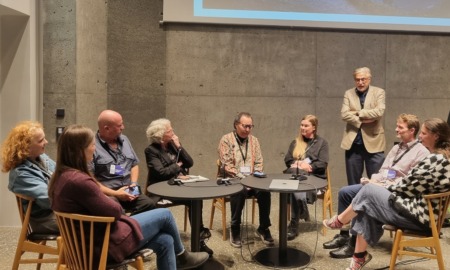
2.3KField report: New opportunities to explore extended learning and youth development across the globe
Highlights from the Global Extended Learning and Youth Development Association (GELYDA) first annual conference.
-
 2.9K
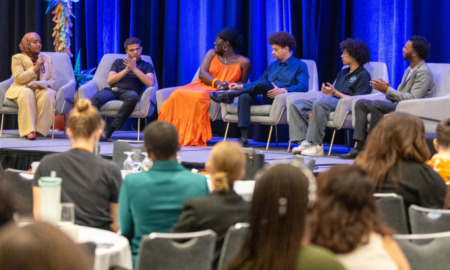
2.9KYoung people shine light on the path forward
Adults must step aside and walk alongside young people as they step up.
-

 3.0K
3.0KBeyond the classroom: Reimagining school, family and community engagement for Black youth
For Black youth especially, education happens through interconnected efforts of schools, families and communities.
-
 1.3K
1.3KOur school started enforcing its cell phone ban. The results have been astounding.
After a cell-phone-free year, this teacher says school cell phone bans should be nation-wide.
-
 1.7K
1.7KFrom frontlines to funding: Youth changemakers and a call for radical philanthropists
How are youth leaders and changemakers building the future they deserve?
-
 1.9K
1.9KQ&A: Nature and well-being: When the natural world is your teaching partner
Why is time spent outdoors so effective in supporting young people's well-being?
-
 1.4K
1.4KImmigration crackdowns mean an expanded role for schools and for educators like me
Educators have long been asked to perform miracles. So what’s new?
-

 1.4K
1.4KMy ACE score reflects my history of trauma. It also connects me to my students.
Higher ACE scores often lead to more negative impacts on a child's adult life.
-

 2.4K
2.4KQ&A: Equipping kinship caregivers for success
What strategies, support and trainings can help kinship caregivers become more effective?
-
 2.9K
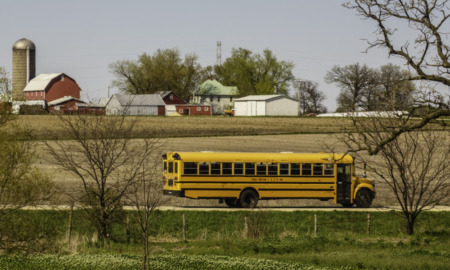
2.9KQ&A: From Kentucky to Alaska — Four perspectives on what rural kids need now
Educators offer their advice. What can you do to bring their advice to life?
-

 2.1K
2.1KSchools and communities can help children bounce back after distressing disasters like the LA wildfires
Research shows that prolonged school closures can significantly affect children’s learning and mental health.
-
 4.5K
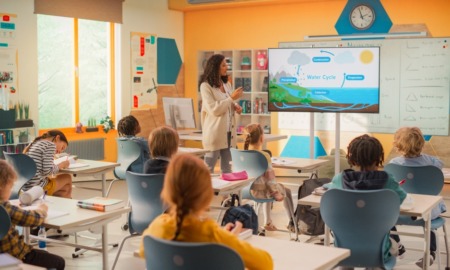
4.5K5 ways schools have shifted in 5 years since COVID-19
We’ve identified five ways we believe the COVID-19 pandemic has transformed education.
-

 7.3K
7.3KA 25-year study reveals how empathy is passed from parents to teens to their future children
Adolescents who show empathy toward their friends are more likely to become supportive parents.
-

 5.8K
5.8K6 observations from a devastating international math test
Is it time to panic? Here are six takeaways, from interviews with testing experts.
-
3.3K
Why being forced to precisely follow a curriculum harms teachers and students
Teachers have long decried "curriculum fidelity." Why? Every classroom and every student is different.
-
 2.5K
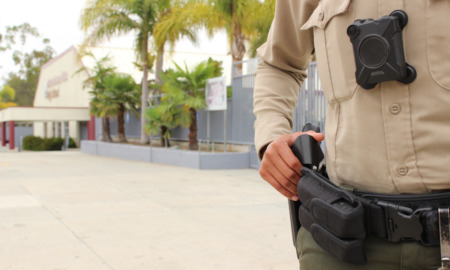
2.5K5 reasons why school police officers may not be the most effective way to prevent violence
Research shows school police officers may subconsciously make students feel less safe.
-
 3.9K
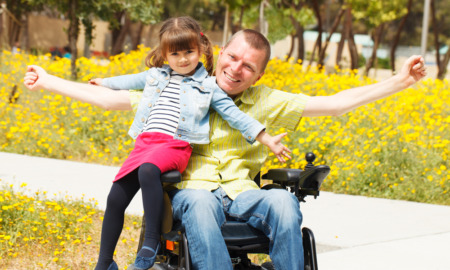
3.9KParents with disabilities have faced discrimination for years. New rules help insure child welfare systems treat them more fairly
Yet child welfare workers don't receive formal training on working with parents with disabilities.
-

 2.0K
2.0KTEACHER VOICE: Big mistake — Schools are swapping out Shakespeare, Chaucer and Dickens for Kendrick Lamar and Taylor Swift
I want my students to engage with the foundation of our literary traditions.
-
 2.0K
2.0KSome of the $190 billion in pandemic money for schools actually paid off
Researchers document achievement gains, but it’s not clear what works best for students.