
Navigating working with schools is a topic of interest to many nonprofits. This is the first in an occasional series of Q&As with local nonprofit leaders willing to share insights about the challenges and benefits of working with staff throughout the school year and how those relationships translate (or don’t) into the summer months or into opportunities for opportunity youth (youth up to age 25 who are not in school and not employed).
This interview was conducted via email with Alex Goodfellow, who joined Chicago Voyagers as executive director in October 2025. She brings more than a decade of nonprofit leadership experience to the role, as well as a master’s degree in social work from the University of Washington. Alex loves to be outdoors at any opportunity and is grateful to be in a position to share these experiences with youth in Chicago.

Q: Thank you for engaging with us through email, Alex. Tell us a bit about Chicago Voyagers.

Chicago Voyagers
Alex Goodfellow
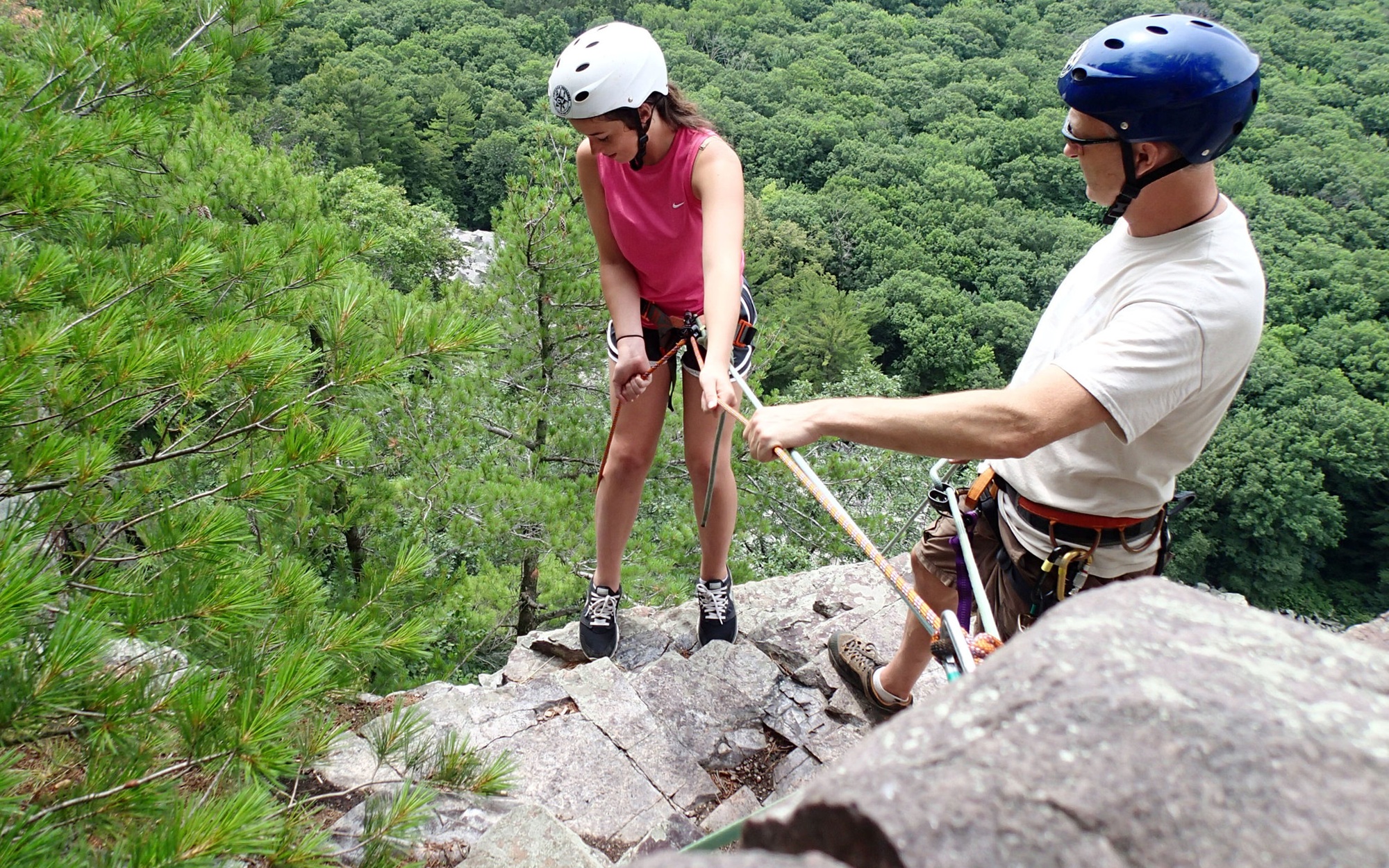
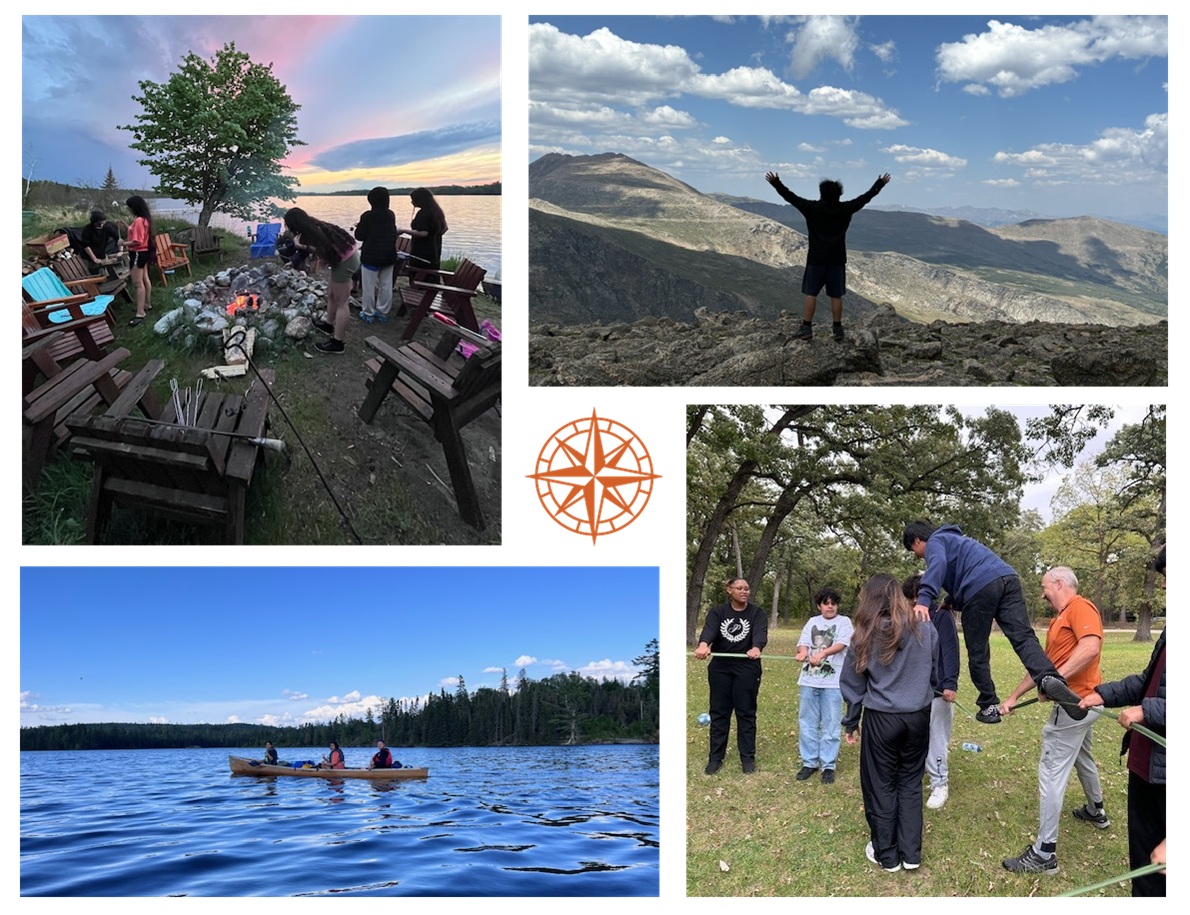
Alex Goodfellow: Chicago Voyagers is a nonprofit that empowers youth ages 12 to 18 through adventure therapy programs. We work with schools and community-based organizations to provide experiential, relationship-based outdoor programs for young people, with an intentional focus on underserved communities. Programs use activities such as hiking, canoeing, camping, biking and rock climbing to help participants develop skills including communication, teamwork, problem-solving and leadership. Programming is provided at no cost to participating youth, including the clothing and equipment they need to take part. We ask our partners to cover a small portion of the program costs.
Since its founding in 2008, Chicago Voyagers has served more than 5,000 young people through more than 1,000 programs totaling over 100,000 hours of programming. The need continues to grow, particularly in communities such as North Chicago, where Chicago Voyagers has partnered with District 187 for the past six years to support students from Neal Math & Science Academy and North Chicago Community High School through long-term adventure therapy programming.
Q: I love the fact that you’re measuring dosage (time spent) across the numerous programs you offer through other organizations. Do you have impact data?
Absolutely. Among youth participating in programs for at least eight days, partner surveys found that 94% showed increased confidence, 92% increased responsibility and 92% improved teamwork.
Q: Schools are where the youth are. But it isn’t always easy to gain access. What is the biggest challenge Chicago Voyagers has encountered when building or maintaining partnerships with schools?
Our biggest challenge is staying nimble. We have to recognize the extraordinary pressures currently facing school leadership. In Chicago, budget cuts have forced staffing reductions on teams where resources are already scarce, particularly in low-income communities.
As a result, school leaders are constantly pulled back to their primary mandate: teaching, learning and academic growth. While everyone intuitively understands that social-emotional growth forms the foundation for academic success, leaders are constantly wrestling with difficult trade-offs.
[Related: Four things navigating public-private partnerships taught me about leadership]
Our strategy, therefore, is continuously demonstrating our value as a seamless extension of their team and proving that we provide the vital social-emotional learning opportunities students need to thrive.
We always focus on empathy, sharing ideas from other schools and serving as an understanding partner who stands with them to do their work.
Q: How do these principles translate into your team’s daily practice?
Flexibility and nimbleness are two key mindsets that we use in our approach to working with any partner. We understand that there are competing priorities and while our work is impactful and important, it is not time sensitive.
The ability to make adjustments to schedule, staffing, activity or transportation has been key to implementation and execution. Demonstrating understanding through this approach is paramount to what we consider true, quality partnership.
Chicago Voyagers
Young people participating in various Chicago Voyagers program activities.
Q: Do relationships with teachers, social workers or other school staff change once they participate alongside students in Chicago Voyagers programs?
Our programming is rooted in relationships, communication, access to the outdoors and, ultimately, a sense of belonging.
When school staff participate alongside students, those relationships and skills are strengthened beyond the expedition itself.
Our partnership model has an expectation that there will be a staff person from the partner that will participate and engage in all program activities. This has become a core tenet because of the feedback we have received from the staff that partner with us. They report that the setting outside of the classroom helps to foster stronger and more natural relationships with the youth. Even though students develop relationships with our program staff, we also believe there is an impact in the opportunity for youth to develop a broader or stronger relationship with participating adults.
Q: What tends to happen to those relationships during the summer, and what helps maintain continuity?
We are unique in that our school partners work with us during the summer for an expedition — an overnight or multi-night trip. So continuity is not an issue.
School staff participation is an important part of creating a lasting impact through the Chicago Voyagers experience. Staff participation also reinforces our belief that meaningful youth development happens in partnership with communities. We don’t want to be a program that comes into a community, delivers an experience and leaves. We want to work alongside schools and their staff to build stronger networks of support around young people.
Q: What is one piece of advice you would give another nonprofit trying to work more effectively with schools as part of the broader learning ecosystem?
Listen. The single most important thing to our approach with partners is to listen and understand what is important to them. We know our mission and we know what we are capable of providing. By understanding what their goals are, we are able to align our goals and those of the school so that we can both achieve success in a way that is meaningful for both sides.
[Related: What if we treat staff development as part of our core mission?]
Nonprofits that are running programs alongside school staff and schools are absolutely adding opportunities that have clear value. All of us want students to leave our programs knowing that they have a network of adults who believe in them, know them and can support them. School staff participation helps make that network stronger and makes the impact of the expedition more sustainable, connected and meaningful.
Having a trusted school staff member join activities outside of school gives students an opportunity to build or deepen a relationship with an adult who is already connected to their everyday community. It creates a different environment for students and staff to see one another outside of the traditional school setting — to challenge themselves together, navigate unfamiliar situations, celebrate successes and build trust. These shared experiences can strengthen relationships that students can continue to draw upon long after the expedition ends. Staff also return to the school community with a deeper understanding of their students and their community partners — their strengths, challenges, leadership styles, interests and capacity for growth.