
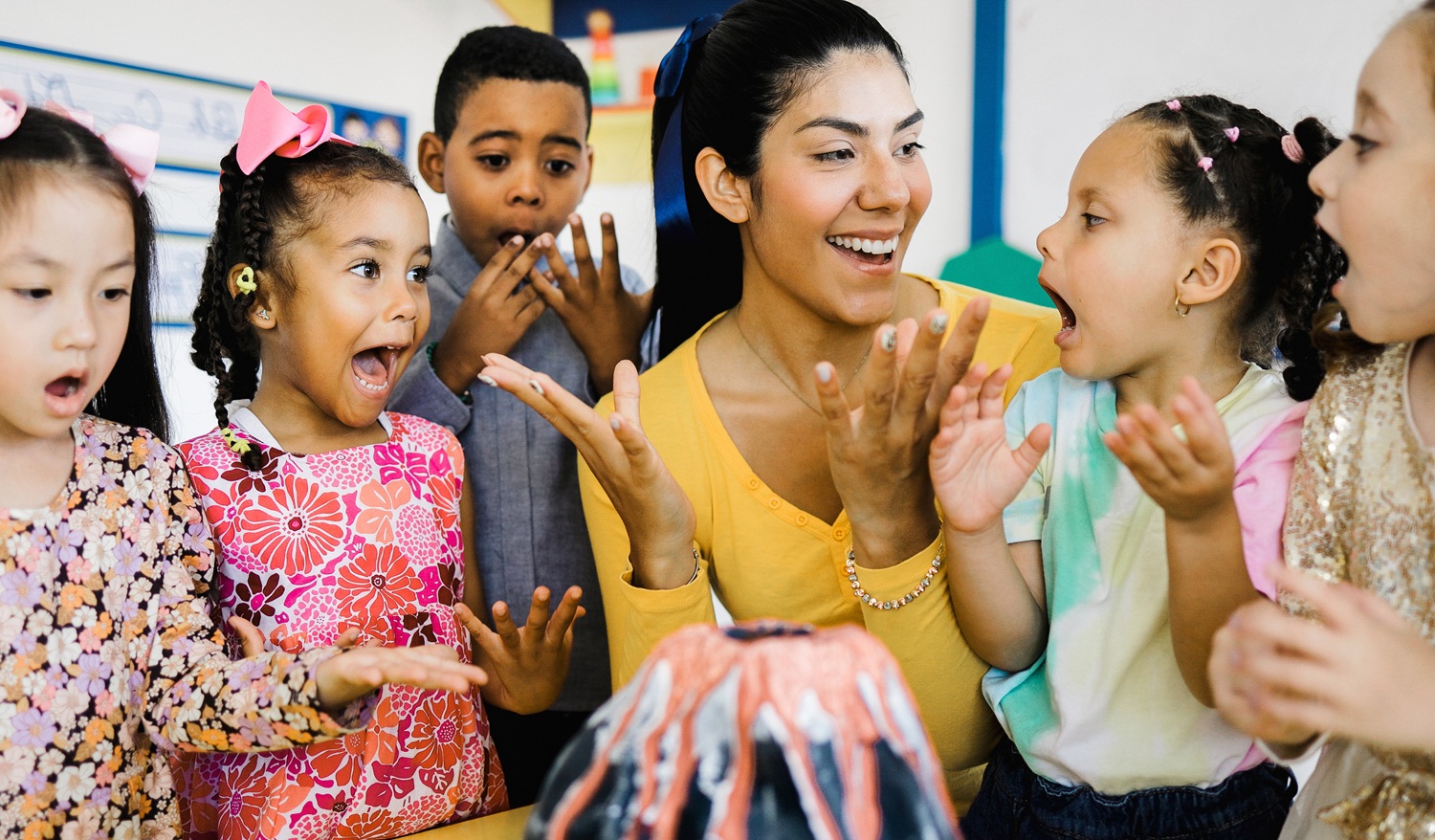
 Afterschool programs are an essential part of many families’ lives. They can provide a safe place for students to be with supportive adults between the end of the school day and returning home. Those programs that focus on intentional, evidence-based implementation can have a positive impact on their students’ emotional skills and career or college readiness. While there are thousands of afterschool programs operating across the country, there are millions more children who could benefit from them if there were increased availability and capacity to offer these enriching opportunities.
Part of the challenge in meeting this demand is the need for more people-power. Afterschool programs require tutors, coaches, mentors and other staff who are not only available during program operation hours, but also are knowledgeable and motivated enough to serve in these roles effectively. Luckily, there is a source of innovative and dedicated people who have unconventional availability that often matches out-of-school time program needs: college students. A new publication by the Partnership for Student Success (PSS), “Bridging Talent and Need: How Partnerships Between Higher Education and Afterschool Programs Can Benefit Students” explores how deliberate coordination between higher education institutions and local schools and nonprofits can tap college students to serve in afterschool programs to great effect.
College Students in Afterschool Programs
There are many college students already involved in afterschool programs as staff and volunteers. However, they are often recruited externally to their higher education institution, which leaves a lot on the table in terms of both the number of students engaged and potential benefits to all parties involved. Consider this:
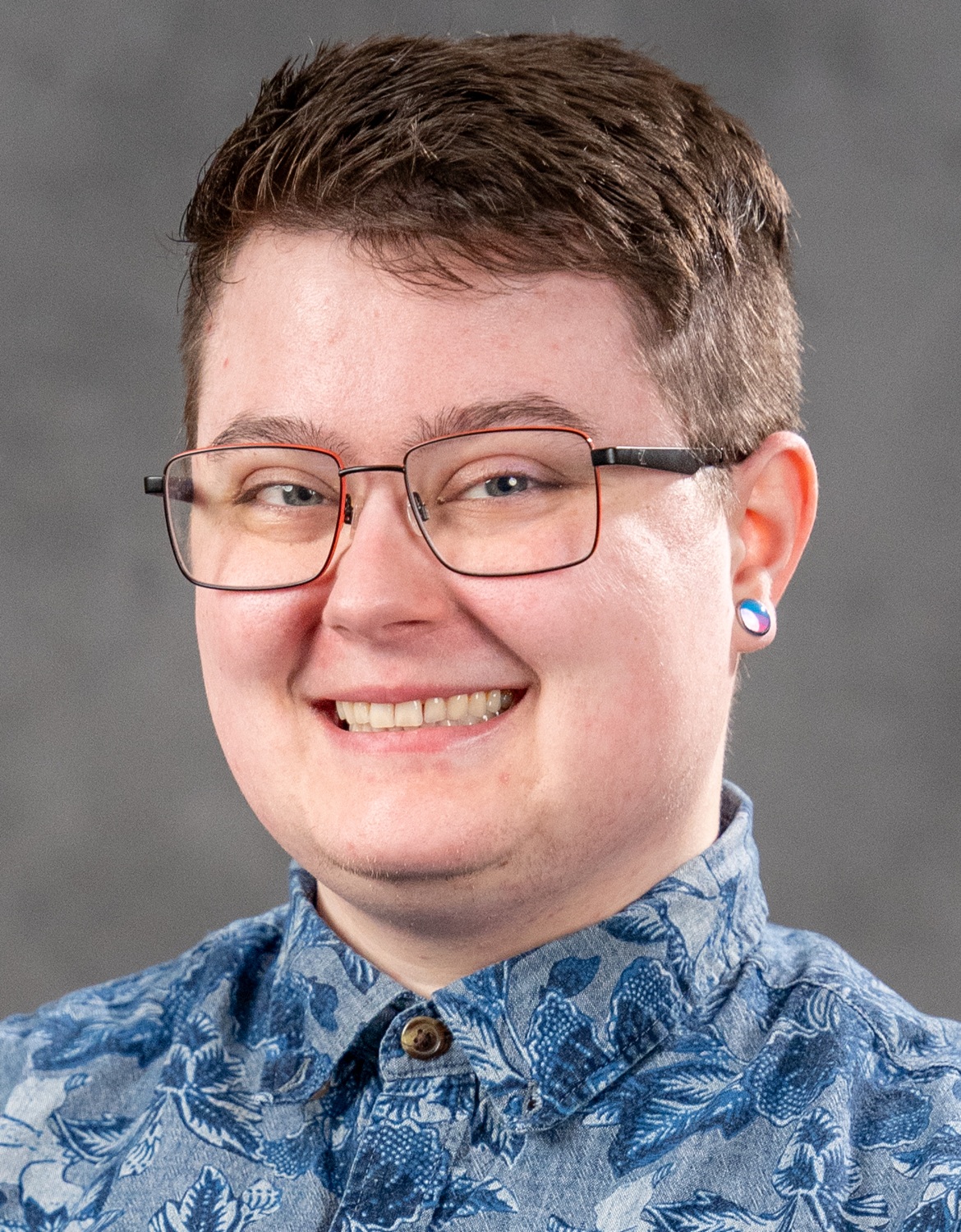
Courtesy of Lorant Peeler
Lorant Peeler
- Colleges and universities that receive Federal Work-Study funding are required to dedicate at least 7% of it to community service roles.
- These institutions maintain platforms to connect students to volunteer, internship and job opportunities and often host community engagement events and career fairs to highlight local service sites and employers.
- College students often turn to their schools’ career centers or volunteer programs to find part-time jobs that help fund their education or to meet the service hours required by their program.
[Related: Afterschool STEM — Turning curiosity into careers and citizenship]
A school or nonprofit running an afterschool program limits its opportunities to advertise positions and recruit tutors, mentors, coaches or other staff when it does not consider direct partnerships with its local higher education institutions. Similarly, without these local program connections, colleges and universities miss chances to improve relationships with their broader community and be recognized as a potential postsecondary pathway for students after high school. College students benefit, too. Beyond earning money to support themselves or completing service hours to meet academic requirements, they can have a positive impact on the students they serve, receive valuable training and mentorship in the professional world and build in-demand skills such as collaboration and conflict resolution.
The Shape of Higher Education – Afterschool Program Partnerships
There are many options for implementing and incentivizing college student involvement with afterschool programs, several of which are only possible through a direct partnership between higher education institutions, nonprofits and schools. For example:
- Positions in afterschool programs can be designated as Federal Work-Study community service jobs and have the wage partially or fully paid by federal monies.
- Service in afterschool programs can be rewarded by applying those hours towards academic community service requirements or a service-focused distinction or certificate.
- Open afterschool program positions can be posted on partner institutions’ student-centered job boards, shared through relevant courses and campus organizations and represented in hiring fairs and community engagement events.
[Related: Unmet demand for afterschool programs is painfully high — 3 in 4 youth missing out]
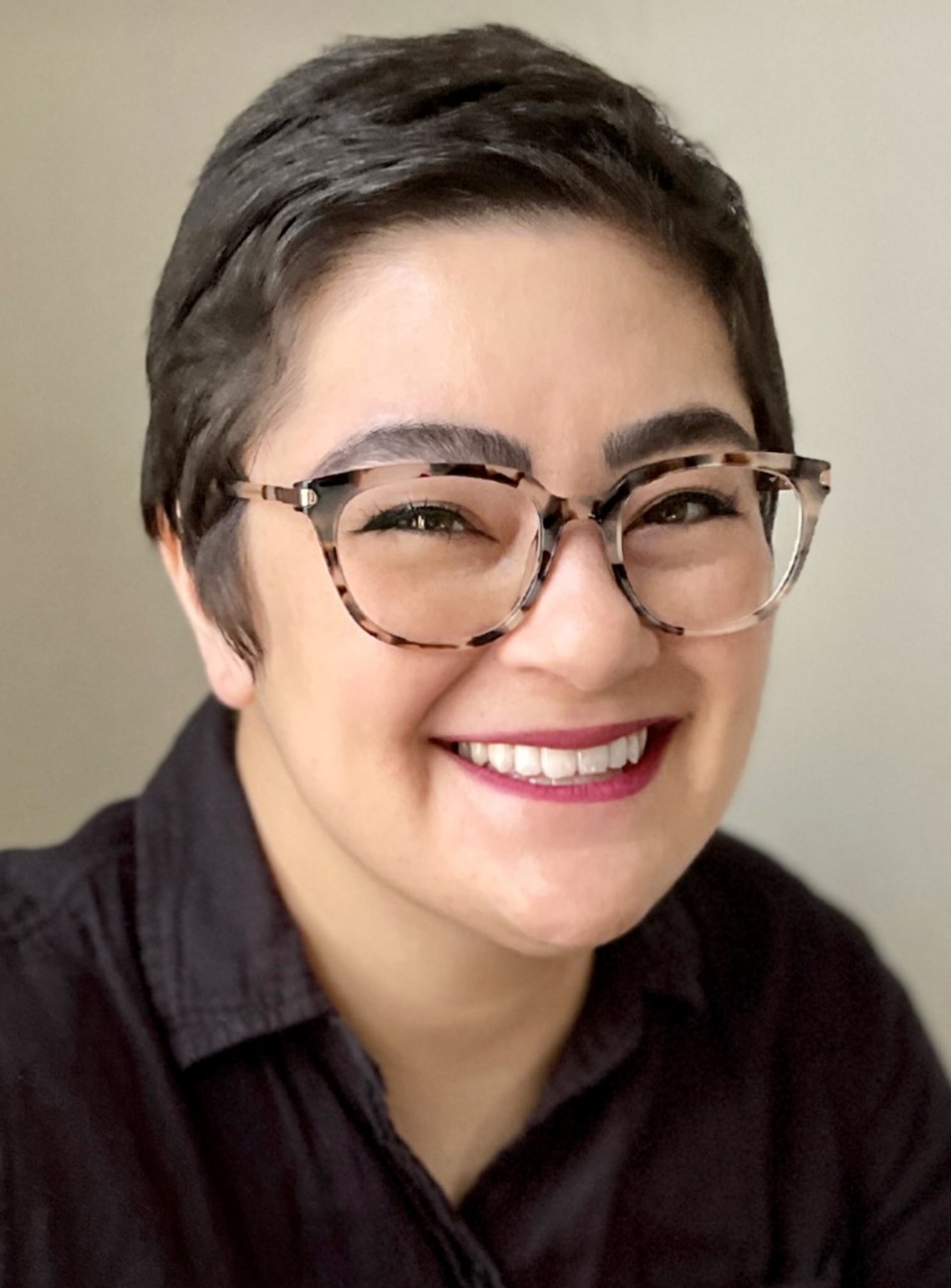
Courtesy of Mariko Yoshisato Cavey
Mariko Yoshisato Cavey
Of course, developing these partnerships is not without challenges. College students may not be able to make multi-year commitments due to changes in class schedules, participation in other work or extracurriculars or leaving the area after graduation. Nonprofits and schools may be reluctant to take on the uncertainty or unprepared for the impact turnover will have on the relationships with students and training needs. On the higher education side, there is a tendency to market these opportunities only to students who have a related major or could meet program requirements through service, limiting the number and diversity of backgrounds and skills of the potential tutors, mentors or coaches. However, these and other barriers can be overcome through clear and consistent communication of needs, expectations and limitations on either side. Focusing on the mutual benefits, rather than reservations, about the partnership can contribute greatly to finding solutions that work for everyone involved.
There are numerous approaches to cultivating partnerships among higher education institutions, local school districts, and nonprofits. Ultimately, locally-determined needs and available resources will inform efforts in each unique community context. Regardless of how it is done, getting more college students involved with mentoring, tutoring and coaching through afterschool programs is a worthwhile investment. When these collaborations operate with quality, sustainability and reciprocity in mind, the results benefit the institutions and partner organizations, the college students serving in these meaningful roles and the local youth who thrive through participation in safe and supportive afterschool programs.
***
This piece is the latest in the Thriving Youth Need a Thriving Workforce Series. Previous pieces:
From turnover to graduation: Rethinking staff retention | Investing in the OST workforce: Dreaming big and starting small
In San Antonio, TX, youth development programs work together toward a shared vision of youth thriving
Lorant Peeler (they/them) is the Program Associate at the Partnership for Student Success, joining the team after recently completing their Masters Degree in Higher Education from the University of Pittsburgh.
Mariko Yoshisato Cavey, Ph.D. is Director of Higher Education Partnerships at the Partnership for Student Success and an Assistant Professor of Practice in the Department of Educational Foundations, Organizations, and Policy at the University of Pittsburgh School of Education.