

High school graduation is a key milestone in a young person’s journey. Yet, for many, it’s not the only – or even the most relevant – launch point into the next phase of learning and work. In a rapidly evolving economic landscape and a complex postsecondary ecosystem, young people need navigators and postsecondary transition coaches to help them on their journey. Navigating Pathways to Next: A resource guide for community-based organizations helping young people navigate transitions to college and work – a new guide authored by the Partnership for Student Success and Knowledge to Power Catalysts – aims to support community-based organizations (CBOs) in adding more of these navigation and transition supports to their offerings.
Postsecondary learning ecosystem
Today’s postsecondary landscape is full of options, including four- and two-year colleges, trade and technical schools, apprenticeships, national service, and direct entry into the workforce. Many young people also combine these paths — balancing education, work, and family responsibilities.
While this expansion offers more opportunities for young people to find a path that aligns with their unique strengths and goals, it also complicates decision-making. Less than half of young people feel they have enough information to make an informed choice about what to do after high school. Traditional guidance can be limited and focused narrowly on college admissions, leaving many unaware of the full spectrum of options. This gap is exacerbated by rapid changes in the job market, which traditional sources of information – like family members or school counselors – may not be equipped to address.
[Related: Afterschool STEM — Turning curiosity into careers and citizenship]
Young people with a range of interests, identities, experiences, and needs are traversing the postsecondary learning ecosystem from many different starting points. Some are in high school or community college; others are disconnected from school or work. Some are navigating systems like foster care or juvenile justice, while others are balancing caregiving responsibilities, housing insecurity, or mental health challenges. Many are foregoing income while participating in higher education or training opportunities with the promise of higher earning potential.

Based on the National League of Cities’ Community Learning Hubs. Adapted by Knowledge to Power Catalysts in Too Essential to Fail: Why Our Big Bet on Public Education Needs a Bold National Response and Navigating Pathways to Next: A resource guide for community-based organizations helping young people navigate transitions to college and work.
Navigators and postsecondary transition coaches

Courtesy of Kate Cochran
Kate Cochran
To balance these multiple realities and navigate this complex ecosystem, young people need navigators and postsecondary transition coaches. These trusted adults are essential for helping young people understand various pathways, identify stepping stones, and connect with meaningful learning experiences. Research indicates that high school students who receive support from postsecondary transition coaches benefit from these relationship-based navigators. However, while adults in these roles exist in many schools and college access programs across the country, far more students need this kind of support to navigate today’s complex and rapidly changing postsecondary landscape than currently receive it.
Staff in community-based organizations (CBOs), who often have long-standing relationships with youth and families, are ideally positioned to develop these navigator functions and improve outcomes for youth in their communities. Young people, families, schools and businesses are seeking support from CBOs and networks that have the staff, tools, training and trust to respond.
[Related: What is the next step?]
There are many examples of CBOs doing this well. For example, the YMCA Achievers Programs helps teens explore college and career opportunities through mentoring, academic support, and leadership development. National Urban League’s Project Ready equips middle and high school students with mentoring, life skills, and college readiness experiences. The Corps Network provides paid service and training opportunities that allow young people to gain work experience, develop skills, and receive coaching as they plan their next steps.
Resources for expanding navigators and postsecondary transition coaches
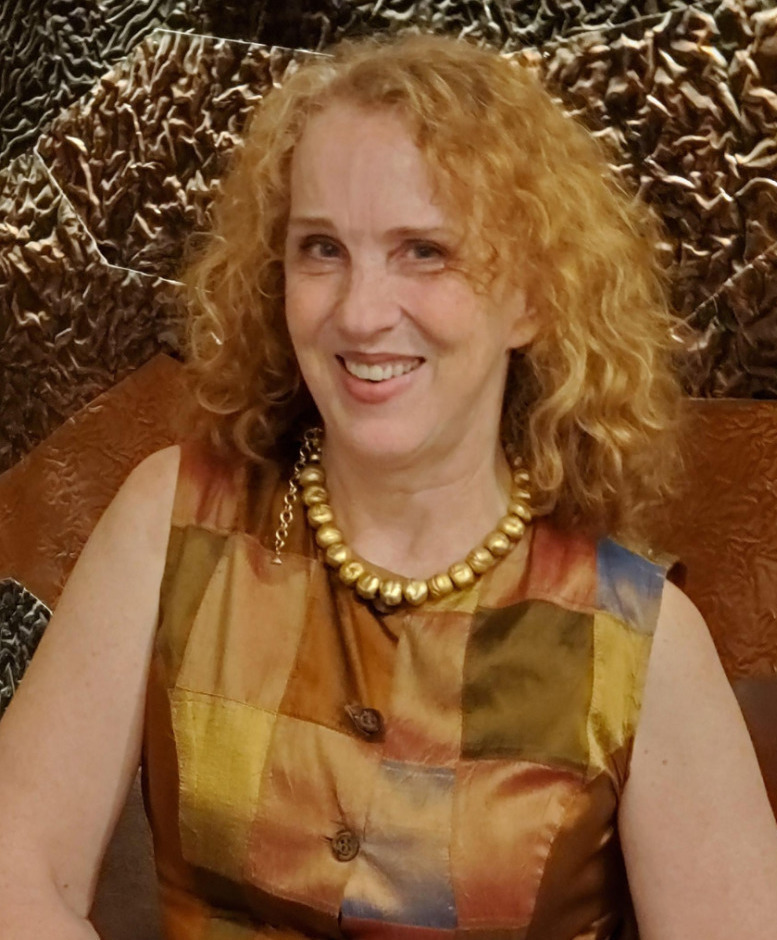
Merita Irby, a partner in KP Catalysts
These examples and more are highlighted in Navigating Pathways to Next. The guide provides strategies, tools, and examples to help CBOs incorporate navigation and postsecondary transition coaching that reflects today’s realities into their programming. The guide also includes introductory resources on the role of navigators, basic training for helping students complete the Free Application for Federal Student Aid (FAFSA), and resources for helping young people chart their path. The guide draws on the rich knowledge base developed by networks engaged in this work across the country, including the Aspen Institute Forum for Community Solutions, the Everyone Graduates Center, Jobs for the Future, the National College Attainment Network, the National College Transition Network, the National Youth Employment Coalition, and more.
How are you supporting young people as they identify their passions and work to pursue them?
CBOs are already incorporating navigation and transition supports in a range of ways, and easy additions can make a big difference:
- Afterschool programs can include career exploration from an early age.
- Youth organizations can incorporate ongoing sessions with a navigator into their programming.
- Mentoring programs can train their mentors in the basics of postsecondary pathway planning.
- Summer youth employment programs can embed pathways planning into weekly coaching sessions.
- Faith-based and civic organizations can pair service opportunities with pathways planning.
- All of these programs and organizations can connect into an expanding number of community-level networks that are helping young people identify and navigate their path.
By building on and empowering existing community assets – community-based organizations and networks – we can expand the reach of navigation and postsecondary transition coaching to more young people. By working together to bridge guidance gaps, we can ensure that all youth have the relationships, connections and information they need to chart informed paths forward that truly fuel their spark and help them meet their goals.
***
Kate Cochran is managing director of the Partnership for Student Success where she works with a coalition to expand evidence-based supports for children and youth nationwide.
Merita Irby is a partner in Knowledge to Power Catalysts and serves as strategic advisor for Youth Today.