
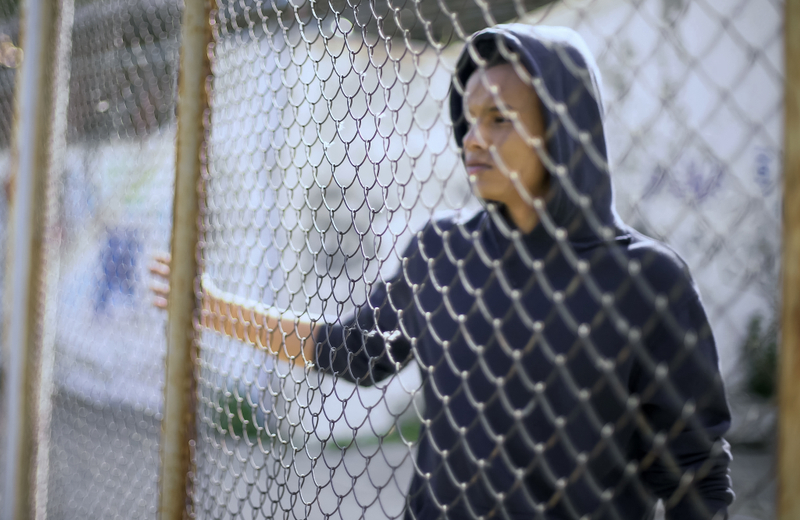
A 16-year-old with untreated asthma wheezes through the night in a juvenile detention center, denied consistent medication. Another youth, diagnosed with PTSD, receives no therapy—only solitary confinement. These aren’t isolated incidents; they reflect a deeper pattern of systemic neglect.
As a physician, I’ve seen how health inequities follow young people into justice settings, where the walls meant to protect can instead obstruct care. If we’re committed to positive youth development, we must confront an urgent reality: the juvenile justice system is not designed to heal, and professionals across systems have the power to change that.
The scope of the crisis
Youth involved in the justice system face a disproportionate burden of physical and mental health challenges, many rooted in trauma, poverty and structural inequity long before their first arrest. According to the Office of Juvenile Justice and Delinquency Prevention, up to 70 percent of youth in custody have a diagnosable mental health condition, yet few receive timely or adequate care. Chronic conditions such as asthma, untreated injuries, substance use and sexual health concerns often go overlooked.
These health disparities are especially acute for Black, Indigenous and youth of color, who are disproportionately detained and less likely to receive equitable care at every stage. Many enter facilities already in crisis, only to face systems unequipped to meet their medical or developmental needs. The result is a compounding cycle — one that undermines rehabilitation and worsens long-term outcomes.
Systemic barriers to health equity
Many of these health disparities are fueled by a fragmented network of disconnected systems. Juvenile justice facilities often lack standardized health screenings, shared medical records or clinicians trained in adolescent development and trauma. Youth may enter custody with urgent medical or psychiatric needs, only to face delays, misdiagnoses or punitive responses to trauma-related behaviors.
Cross-system coordination between justice, health, education and social services remains inconsistent, especially during reentry, when continuity of care is most critical. Too often, outdated facility models prioritize surveillance over support, missing vital opportunities for healing. The absence of trauma-informed practices and culturally responsive care leaves justice-involved youth — particularly those from marginalized communities — without the stability, connection or resources they need to heal and grow.
Action steps for youth professionals

Courtesy of Hayder Mazin
Dr. Hayder Mazin
While policy change is important, youth development professionals don’t have to wait to make an impact. Whether working in juvenile justice, education, after-school programs or community organizations, they can help transform youth justice from a system of harm into a foundation for healing, starting now.
These aren’t just medical adjustments — they are concrete applications of high-quality positive youth development (PYD) principles.
- Begin with holistic health assessments
Advocate for intake processes that go beyond behavior checklists to include trauma history, physical health, substance use and developmental needs. Collaborate with medical or mental health providers when possible to ensure that youth are understood as whole people, not just case files.
- Build cross-system bridges
Many services fail not because they don’t exist but because systems don’t communicate. Youth professionals can bridge those gaps by connecting probation officers, schools, case managers and families. Even small steps — like including health updates in reentry plans — can reduce relapse, disengagement or crisis.
- Support healing-centered environments
Simple program shifts can make a profound difference. Use strengths-based language. Offer youth meaningful choices. Create space for mindfulness, storytelling or restorative circles. Staff trained in adolescent development and trauma-informed care are more equipped to de-escalate conflict and build trust. A single consistent adult — whether mentor, coach or advocate — can interrupt cycles of disconnection.
- Center youth voice and cultural identity
Healing happens when youth feel seen and respected. Invite them to shape their goals and define what wellness means to them. Integrate cultural practices, identity-affirming spaces and trusted community supports to increase relevance and belonging.
These are not lofty reforms — they are practical actions that youth professionals across systems can embed into daily practice. When we act with intention, we shift the trajectory from surviving justice involvement to thriving beyond it.
Closing call to action
Health equity must be a central aim of youth justice, not an afterthought. While policy reform takes time, those working directly with youth have daily opportunities to lead change from within. By recognizing health as inseparable from development, and by championing trauma-informed, cross-system solutions, they can begin to dismantle the cycles of neglect that justice-involved youth so often endure.
Healing is possible — but it must be intentional. Let’s ensure that every young person behind bars is met not with silence, but with care, connection and a path toward thriving.
***
Dr. Hayder Mazin (he/him) is a physician and the founder & CEO of MedLexis, a medical writing brand dedicated to translating complex health issues into clear, actionable content for professionals, policymakers and public audiences. His work focuses on bridging medicine, public health and social justice. 📧 Email: Hayder@medicallexis.com |🔗 LinkedIn: www.linkedin.com/in/hayder-mazin