

Youth Today
From the Field



-

 304
304What 20 years with court-involved youth has taught me about breaking systemic cycles
Even with juvenile justice reform, the underlying conditions that result in court-involved youth remain firmly in place.
-

 1.0K
1.0KFlourishing in the Age of AI: Q&A with Courtney Garcia of LearnerStudio
Merita Irby speaks with LearnerStudio's Courtney Garcia about a new anthology exploring what it means for young people to flourish in the...
-

 787
787To fix student absenteeism, schools must support families first
With chronic absenteeism still 50% above pre-pandemic levels, schools are using ineffective punitive or reward-based strategies instead of family supports.
-

 641
641On developmental relationships
Katherine Plog Martinez speaks with Gene Roehlkepartain on how strong developmental relationships are the "active ingredient" in successful youth programs.
-
 759
759Joy, partnership and play create belonging and increase attendance
We must ensure kids are experiencing high-quality recess and a school climate that makes them want to attend every day.
-
 1.8K
1.8KQ&A with Karen Pittman, 2026 recipient of the NEA Foundation’s Outstanding Service to Public Education Award
Youth Today's Karen Pittman, often referred to as the godmother of positive youth development, received the award on February 13.
-

 725
725The overlooked link between literacy, STEM and student success
For decades, schools across the country have invested heavily in literacy reform. New curricula, mandates and funding have reshaped classrooms, yet reading...
-
 622
622On program quality
Katherine Plog Martinez speaks with Thomas Akiva on how youth-serving organizations can ensure youth program quality by recognizing three key developments.
-

 986
986Coaching, not correction: The shift youth-serving systems need to build real leaders
You can’t correct a kid into leadership. Adolescents develop youth leadership through environments that support autonomy, belonging and skill-building.
-
 1.0K
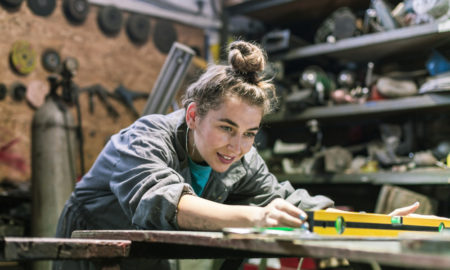
1.0KWe taught students to love hands-on learning. Let’s help them continue to embrace it once they leave the classroom.
Many students, encouraged by hands-on learning, are perfect for a career in skilled trades. But, society's response has often been: Go to...
-
 1.3K
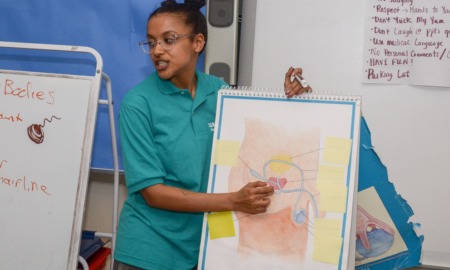
1.3KWhat I learned teaching sex ed as a teen, and why every school needs it
A peer educator speaks about her experiences teaching peer-led sex education lessons.
-

 863
863On learning and meaning making
Katherine Plog-Martinez speaks with Kim Sabo Flores about how meaning making—reflecting on and making sense of experiences—is crucial to youth development.
-
 1.1K
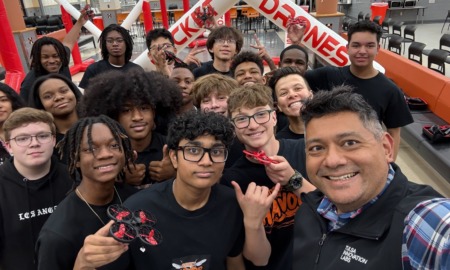
1.1KGiving Tulsa students a clear path from curiosity to career
Afterschool STEM programs spark interest and help students build skills and confidence while increasing awareness of STEM careers.
-

 1.6K
1.6KNew partnership to identify root causes of youth homelessness, find real-world solutions
A new partnership will drive the building of prevention and exit ramps to halt and reverse the youth homelessness crisis.
-
 2.1K
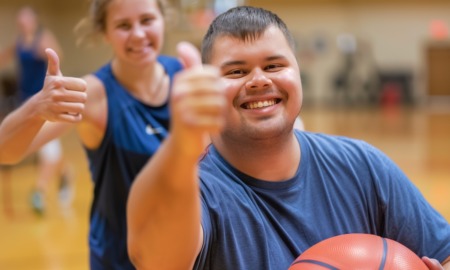
2.1KBack to school, back to Unified: How your organization can champion inclusion
Unified isn’t just about sports; it’s about creating opportunities for connection, understanding and leadership by welcoming students of all abilities.
-

 2.9K
2.9KFrom relationships to opportunities: What we learned about social capital mobilization
Access to developmental relationships is important. But young people also need the skills, confidence and support to mobilize those connections.