

October 23 marks the 26th annual rally for Lights On Afterschool, with more than 1 million people gathering at 8,000 events in communities nationwide to call for more afterschool resources. This year’s celebration is especially significant: afterschool and summer funding is under threat of elimination at the same time that brand new America After 3PM data demonstrates the strong impact of afterschool for youth and families — and equally strong unmet demand for programs.
Conducted roughly every five years, America After 3PM helps guide our work and fills a gap in our country’s knowledge about how our children and youth spend the hours after school and over the summer. The 2025 report reflects more than 30,000 responses collected by Edge Research and was made possible through our partnership with The New York Life Foundation. As with previous editions of America After 3PM, we anticipate that lawmakers, education and business leaders, philanthropies, advocates and others will use the latest findings to inform public discourse as well as funding and policy decisions.
[Related: From turnover to graduation — Rethinking staff retention]
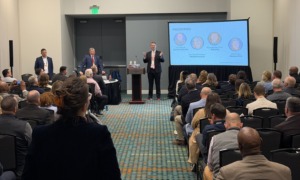
I had the great privilege of sharing the findings from America After 3PM 2025, our fifth edition of data on afterschool supply and demand, last week at an event with an incredible panel of respondents representing perspectives from youth development, research, education policy, law enforcement and city leadership.
The data illuminate how afterschool addresses many of society’s most stubborn, vexing problems. Programs get youth excited about learning, boost school attendance, provide opportunities for them to connect with peers and mentors and help develop their skills, including teamwork, critical thinking and leadership. For parents, programs provide a lifeline, with 84% saying afterschool programs help working parents keep their jobs and 92% of parents with children in programs stating it helps lower their stress.
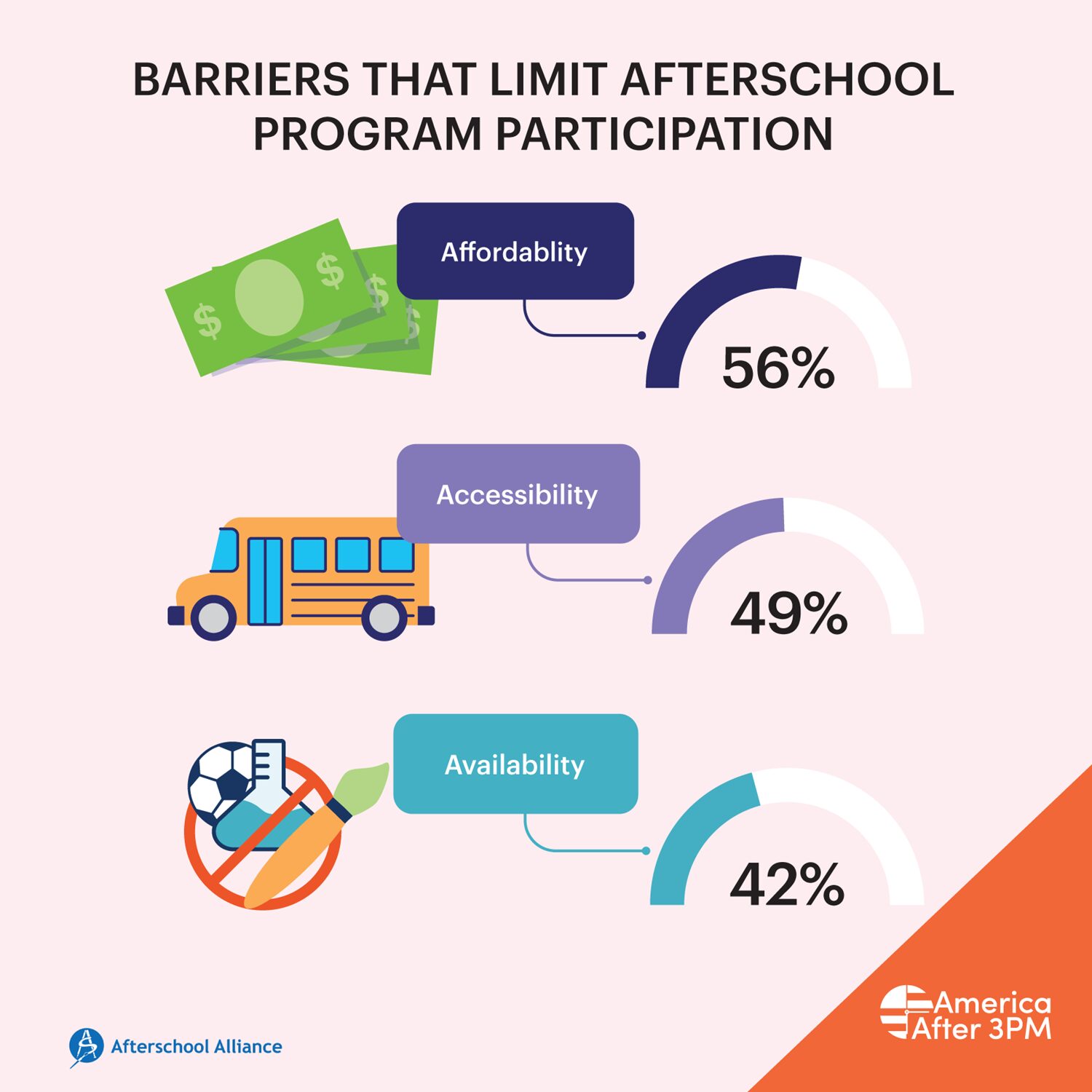
 Unfortunately, America After 3PM finds that three out of four children whose parents want programs don’t have them. The parents of 29.6 million children, more than half the school-age students in the United States, want afterschool programs for their children — but 77% of these children are not able to participate. Middle- and lower-income families alike struggle to access the programs they want. Cost, availability and accessibility are the barriers families cannot overcome.
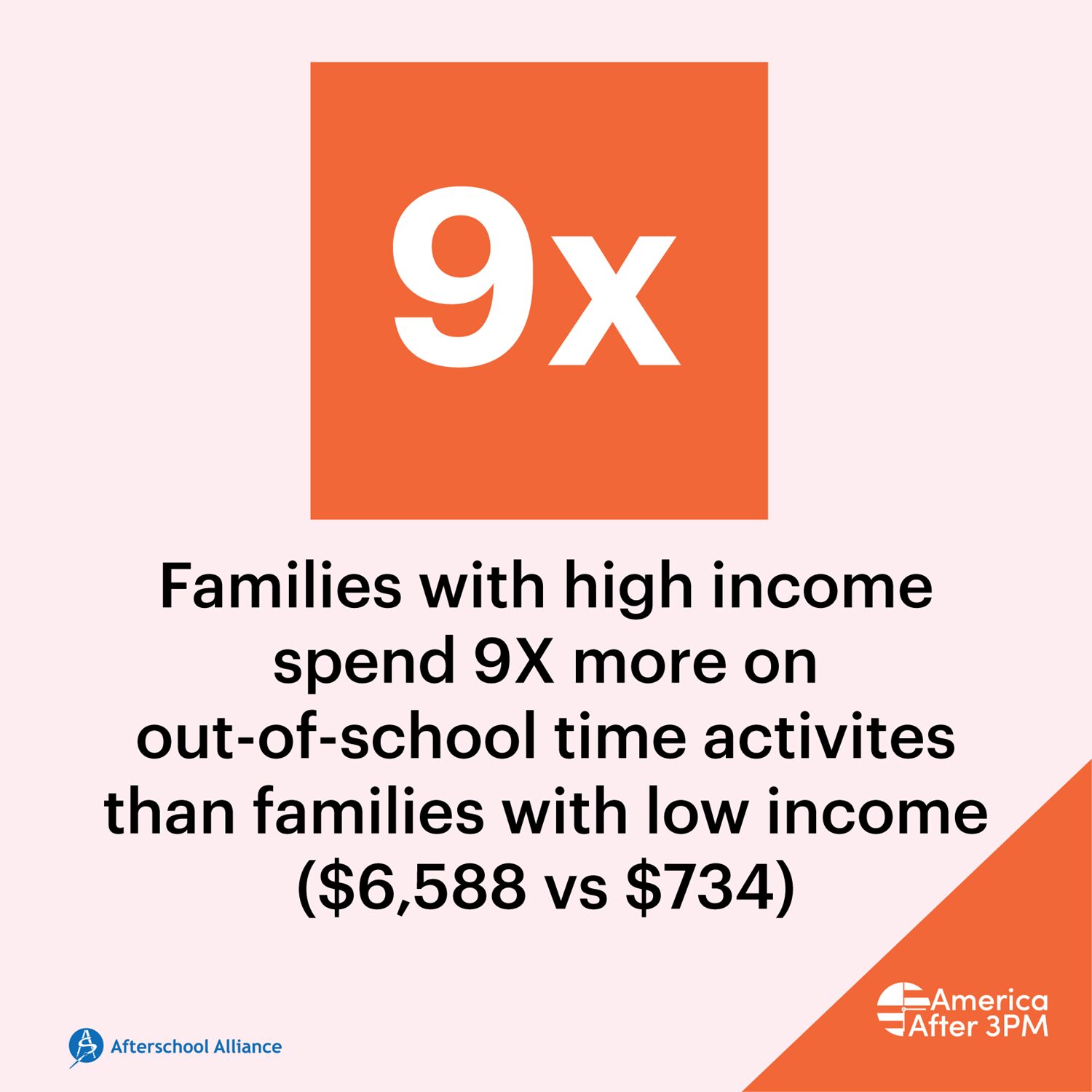
The data uncovered a wide — and widening — opportunity gap. Children in low- and middle-income families are more likely to be without the afterschool programs their parents want for them than children in high-income families. Notably, families in the highest income bracket (making $200,000 or more annually) now spend approximately nine times as much per year on out-of-school time activities as families in the lowest income bracket (making under $30,000 in 2025), up sharply from five times as much five years ago.
Millions of students are being left behind, costing our country dearly now and dampening our prospects for the future. When families can’t access afterschool programs, we all pay a price. We cannot afford the opportunities lost for youth to realize their potential, for working parents to provide for their families and for our nation to build a strong workforce.
 This study shows that parents want that to change. More than four in five parents of school-age children — across all demographics and in every state — value programs and support public funding for them. Families want their children engaged and connected in the hours after school, and satisfaction and quality ratings for programs demonstrate programs are delivering. Nationally, parent satisfaction has reached 95%, and most parents rate programs as “good” or “excellent.”
[Related: Afterschool STEM — Turning curiosity into careers and citizenship]
The 2025 findings are notable given the enormous shifts and challenges our country has experienced since our last edition of America After 3PM, including the closure and reopening of schools and programs, the shuttering of many community organizations, the rise of remote working, the stubbornly persistent learning loss, chronic absenteeism and youth mental health challenges.
America After 3PM 2025 data deliver a clarion call: Afterschool and summer learning programs play a critical role in supporting youth, their parents and our economy. It’s time — past time — to make programs available to all.

Courtesy of Jodi Grant
Jodi Grant
Manny Padia, an Afterschool Ambassador and afterschool program leader for more than 20 years with Glendale, Arizona’s Parks and Recreation Department, said it best at the release event last week, where he left very few dry eyes in the house.
“These programs provide so much development for young people on the front end that it contributes to the growth of our communities and our economies across the country. We teach kids how to play, we introduce kids to careers, to professions, to industry, to the things that they didn’t know that they were good at or ever wanted to try to do.
We as providers in communities across America want to do the work. We do it because we love it.
We should not be having to fight and worry about funding for young people. That’s a ridiculous thought and a ridiculous place to be. This data gives us the tools necessary to go out and try to fight the fight on our end.
Let’s do it together.”
Join the rally for Lights On Afterschool! Remind your representatives in Congress why afterschool works, find an event near you, or post a message of support on social by taking the #Lightbulb Challenge.
Explore national and state findings on the America After 3PM dashboard.
***
As executive director of the Afterschool Alliance, Jodi Grant has spent two decades making afterschool a national priority. During her tenure, public funding for afterschool and summer has expanded significantly. Grant regularly speaks before Congress and with major outlets, including The Wall Street Journal, Washington Post, Time, The Atlantic, ABC, PBS and more.