
How Tulsa is building a K-12 pathway that helps students turn early curiosity
into real STEM career options.

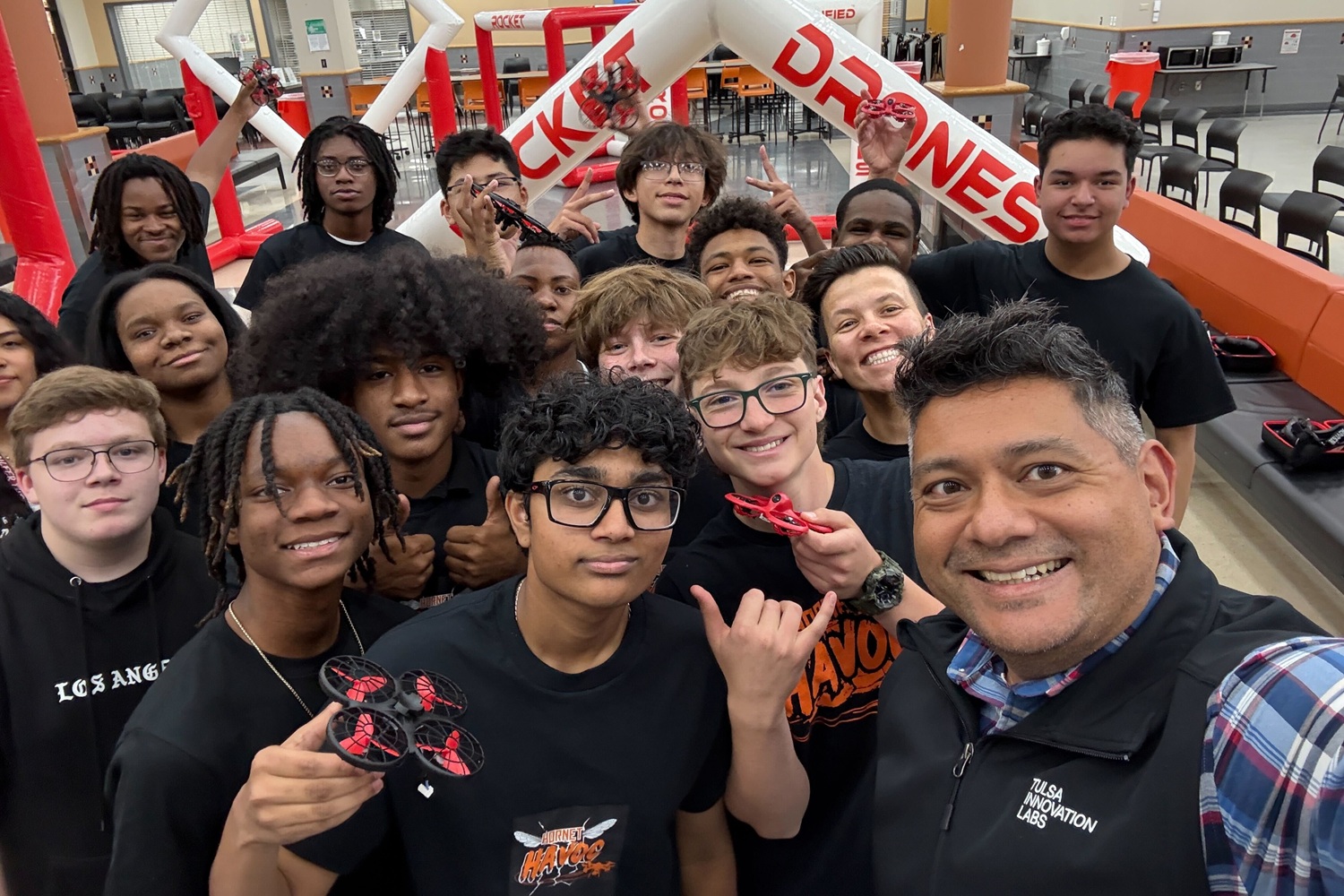
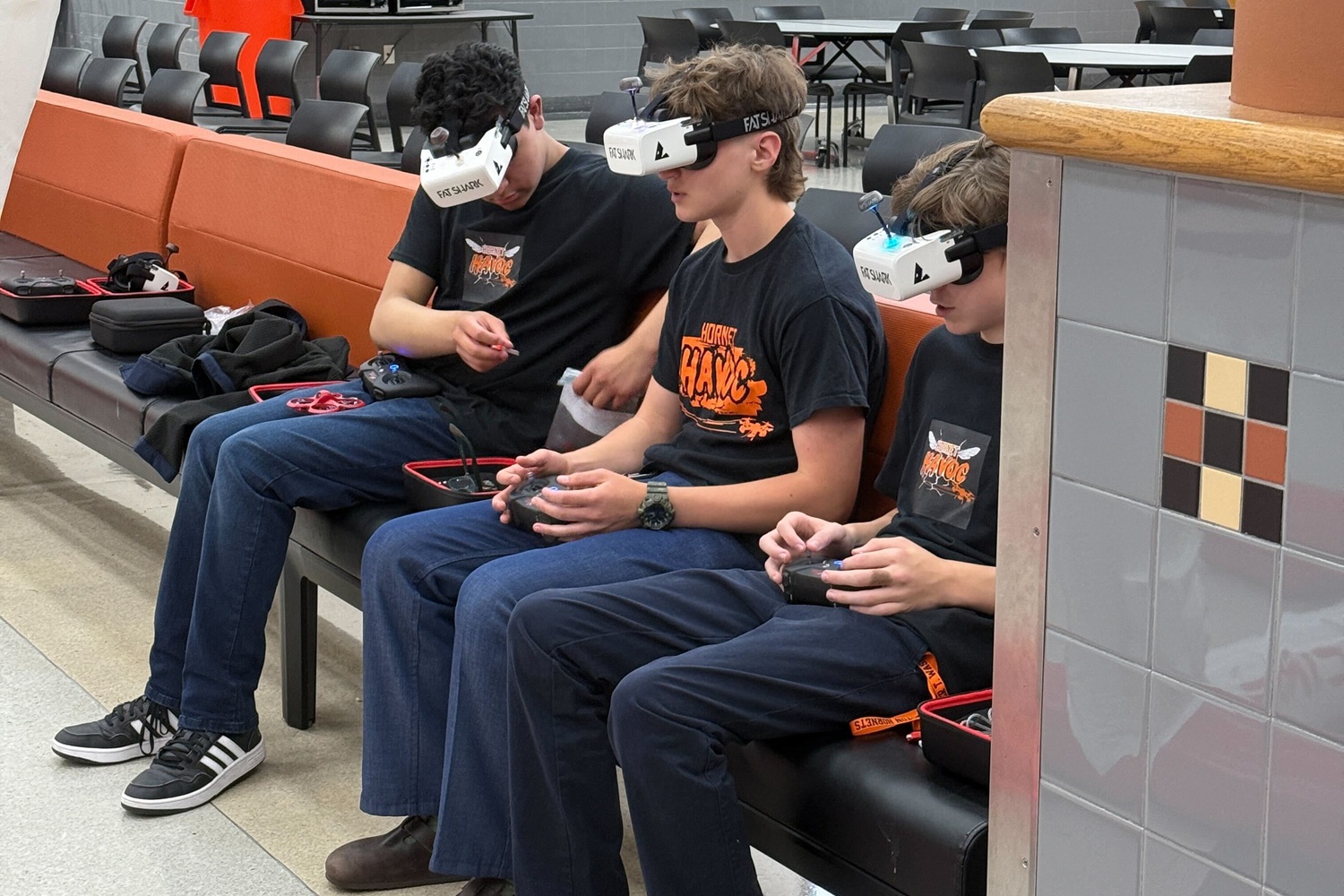
A few weeks ago, I stood inside the Booker T. Washington High School cafeteria as students from the school’s first-ever drone racing team, Hornet Havoc, prepared for their showcase. You could feel the energy the moment you walked in. Students moved with purpose, discussing strategy and getting ready to show what they had learned.
Before the demonstrations began, the students and I fell into a conversation about drones and technology. They shared their new skills with pride, and I talked with them about how those abilities can open the door to a wide range of careers. Their interest grew with each question.
Their teacher, Ramona Rogers, summed it up well: “This is students investing in themselves.”
She wants them to build leadership, teamwork and technical confidence — and it shows.
Watching those students fly, troubleshoot and encourage one another reminded me why we teamed up with PartnerTulsa and the Opp Project to launch Pathways to Autonomy. It’s one example of what becomes possible when young people receive early exposure to technology that begins long before high school.
Why we built Pathways to Autonomy
At Tulsa Innovation Labs, our goal is to help position Tulsa as a national hub for advanced technology. To do that, we need a strong, locally grown talent pipeline that reflects the diversity of our city. That pipeline begins earlier than many people realize, often in elementary school, when a student discovers a new skill and starts to imagine a future in technology.
Research from organizations like STEM Next and the Afterschool Alliance shows that afterschool STEM programs not only spark interest but also help students build critical thinking, teamwork and confidence while increasing awareness of STEM careers. Pathways to Autonomy was created with that evidence in mind, expanding access to robotics, drone technology, engineering and coding across K-12 in Tulsa Public Schools and Union Public Schools. Last fall, the initiative supported 27 afterschool STEM programs and reached more than 315 students.
[Related: Unmet demand for afterschool programs is painfully high: 3 in 4 youth missing out]
Our purpose is simple: We want every young person to have a clear pathway from curiosity to career. Through its broader workforce and industry development work, Tulsa Innovation Labs is helping prepare Tulsa and Oklahoma for the jobs of the future. Our focus is on building a strong foundation for advanced industries such as autonomy, aerospace, manufacturing, cybersecurity and energy tech. Pathways to Autonomy supports that strategy by ensuring young people gain early exposure to emerging fields so they can pursue high-paying, high-growth careers right here at home.
Hands-on learning that builds confidence
The drone showcase at Booker T. is just one example of how powerful hands-on learning can be. Across Tulsa, elementary students are discovering robotics, middle schoolers are solving engineering challenges and high schoolers are applying these skills in real-world ways.
Together, these experiences create a pathway that grows with students. A child who builds a simple robot in third grade can compete on a robotics team in high school and graduate with the confidence to pursue college or careers in autonomy, engineering or technology.
Tulsa Innovation Labs
A group of Hornet Havoc students piloting and working with their drones while sitting in school cafeteria.
At Booker T. one student shared a story that stayed with me. He joined the drone team to learn skills he hopes will prepare him for his dream job in search and rescue with the Coast Guard. For him, the drone program is a bridge between where he is now and where he hopes to go.
[Related: Afterschool STEM — Turning curiosity into careers and citizenship]
Experiences like these show young people what is possible throughout their educational journey.
What comes next — and what other cities can learn
This is only the beginning. We plan to expand Pathways to Autonomy into more schools and create additional connections between classroom learning and real careers. Our goal is for every student in Tulsa to feel they have a place in the future of autonomy and emerging technologies.

Courtesy of Lawrence Ganti
Lawrence Ganti
Across the country, communities are experimenting with similar models. Programs like PAST Innovation Lab in Columbus, Ohio, and CareerWise Colorado show what is possible when hands-on STEM learning is paired with strong industry partnerships and a clear connection to future careers. Tulsa’s approach builds on these ideas while tailoring them to the needs of local students and employers.
Tulsa’s progress also offers lessons for other communities:
Start early. STEM readiness begins in elementary school.
Meet students where they are. Afterschool spaces are powerful incubators for curiosity.
Partner deeply. Schools, industry, philanthropy and youth organizations all play a role.
Listen to students. Their interests should guide program design and investment.
Tulsa’s young people are capable and curious, and they deserve opportunities that match their potential. When communities invest early, collaborate intentionally and build clear pathways from curiosity to career, young people rise to meet the moment.
The drone showcase made one thing clear: The next generation is not waiting for the future to arrive. They are already building it, one flight at a time.
***
Lawrence Ganti is the director of workforce and talent at Tulsa Innovation Labs, where he leads work to build clear and equitable career pathways for young people. With 30 years of global leadership experience in both major corporations and tech startups, he is focused on helping Tulsa become a place where students can grow into the careers of the future.