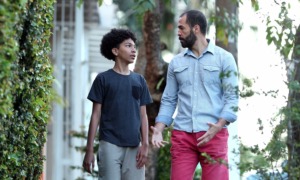


Youth participatory action research (YPAR) is an approach to youth engagement where youth and adults partner together for a cycle of research and action. YPAR is an innovative, equity-focused approach to positive youth and community development in which young people conduct systematic research to improve their lives, communities and the institutions intended to serve them. As a participatory research approach, YPAR values youth voice and promotes healthier development and empowerment for young people across the lifespan. YPAR researchers and youth engaged in YPAR utilize a range of quantitative and qualitative research methods in cycles of inquiry and action.

Courtesy of Heather Kennedy
Heather Kennedy
Emily Ozer, Ph.D., and colleagues describe that YPAR groups identify and investigate a wide range of topics of concern to them, such as improvement in peer and teacher–student relationships, mental health promotion, sexual health and school lunch improvement. After identifying a topic, youth are trained to gather diverse forms of data (e.g., surveys, interviews, art) and draw on this evidence to advocate for issues that matter to them. Sometimes youth act directly to enact change based on the collected data through peer education or other forms of youth-led programming or organizing. In other cases youth advocate to adults who have decision-making power to change policies, practices and programs. Researchers Yolanda Anyon, Ph.D., and Heather Kennedy, Ph.D., and colleagues have demonstrated that YPAR leads to outcomes across many levels. Youth increase their knowledge and skills for leadership, research and advocacy. Adults experience professional growth and job satisfaction. Finally, as a result of YPAR, policies and programs are created or adapted to meet young people’s needs.

Courtesy of Elia Delphi
Elia Delphi
The YPAR Network – a broad network of diverse YPAR scholars and practitioners across the United States that works to expand and refine YPAR practice and increase the reach, evidence base and impact of YPAR – has just released a new video series. While YPAR practice is growing across the globe, we want to ensure adults feel fully equipped to maximize the transformative potential of this approach. The series is designed to develop the knowledge, skills and self-efficacy of adults who want to collaborate with young people for YPAR.
The series — which currently includes three 20- to 30-minute videos — is designed to support adults in planning and executing YPAR. The first three videos of the series are available here.
Video 1: What is YPAR, covers the basics of YPAR and how it is different from other forms of youth participation, addresses the steps to a YPAR process and shares additional resources that can support you in the planning of YPAR.
Video 2: Why Engage in YPAR, covers the developmental needs of adolescents and how YPAR supports achieving these needs. The video also emphasizes the multiple benefits of YPAR for youth, adults and the broader community. This video can be used to help you advocate for increasing youth voice through YPAR.
[Related: Q&A with Michael Crawford, America Succeeds]
Video 3: Planning for YPAR, focuses on important questions to consider when constructing a YPAR team — specifically, considerations regarding the background and skills of adults and youth participating in a YPAR project. Whether you plan to lead YPAR yourself or support others, these questions can support you to reflect on what matters most. This video brings to life part of the planning considerations outlined in this YPAR planning guide.
Six additional videos will follow in the coming months.
Join the YPAR Network of practitioners and scholars via our mailing list here. Join our LinkedIn group here.
***
Dr. Heather Kennedy, MPH, Ph.D., is an assistant professor at the Colorado School of Public Health where she directs several grant and contract-funded projects to support adults who seek to partner with youth in community change efforts. Dr. Kennedy is a steering committee member of the YPAR Network.
Elia Delphi is a graduate student in the School of Social Welfare at UC Berkeley and completed their undergraduate studies at San Diego State University, where they earned their bachelor’s in Social Work, Sociology and History. In addition to their work as a school-based mental health counselor, they coordinate the YPAR Network.