
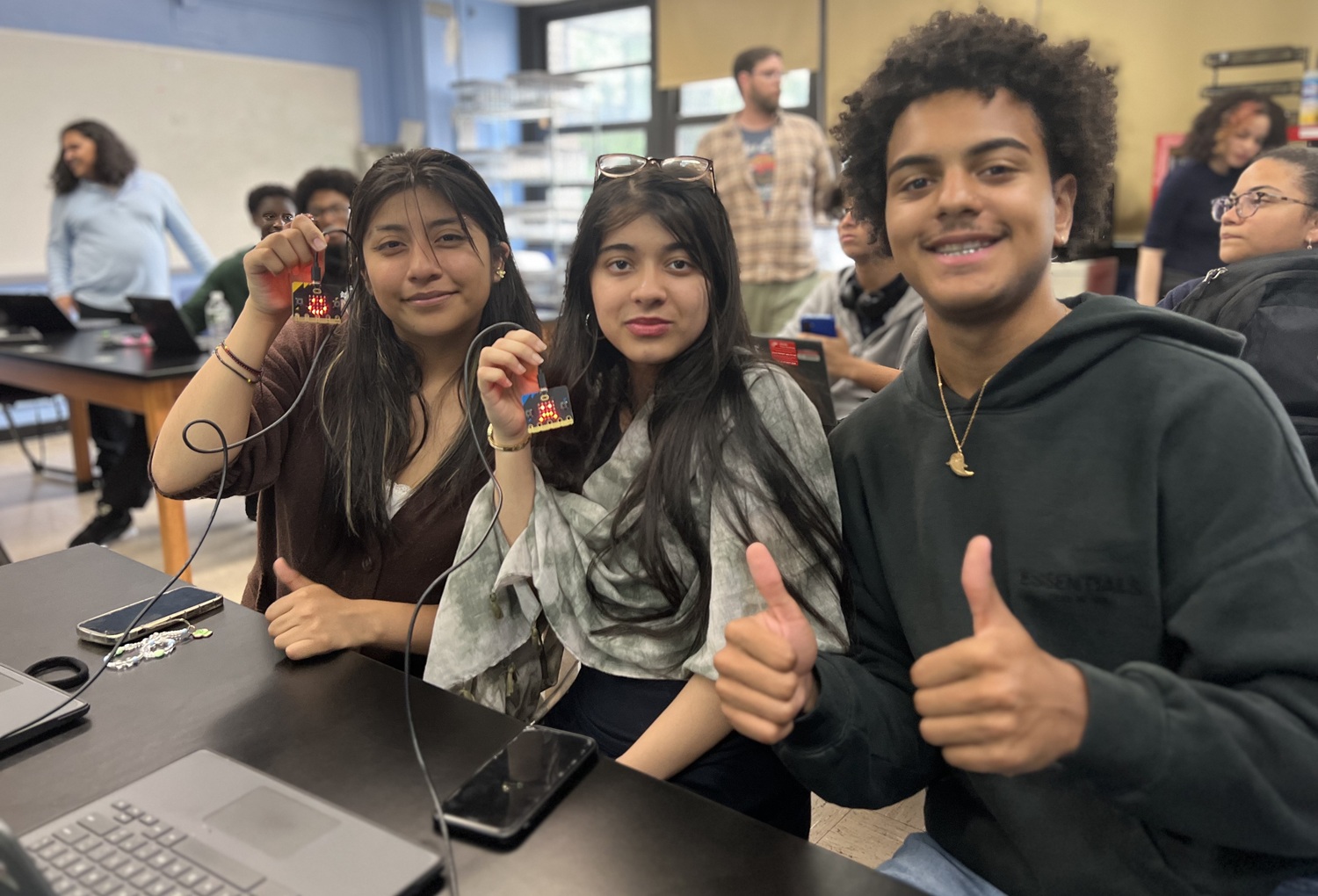
As three students with a passion for STEM, we’ve had the opportunity to take rigorous courses, build strong academic foundations, and explore our interests in engineering, coding, robotics and biology at United Charter High Schools for Advanced Math and Science (AMS) in the Bronx. This fall, all three of us will be majoring in STEM fields in college.
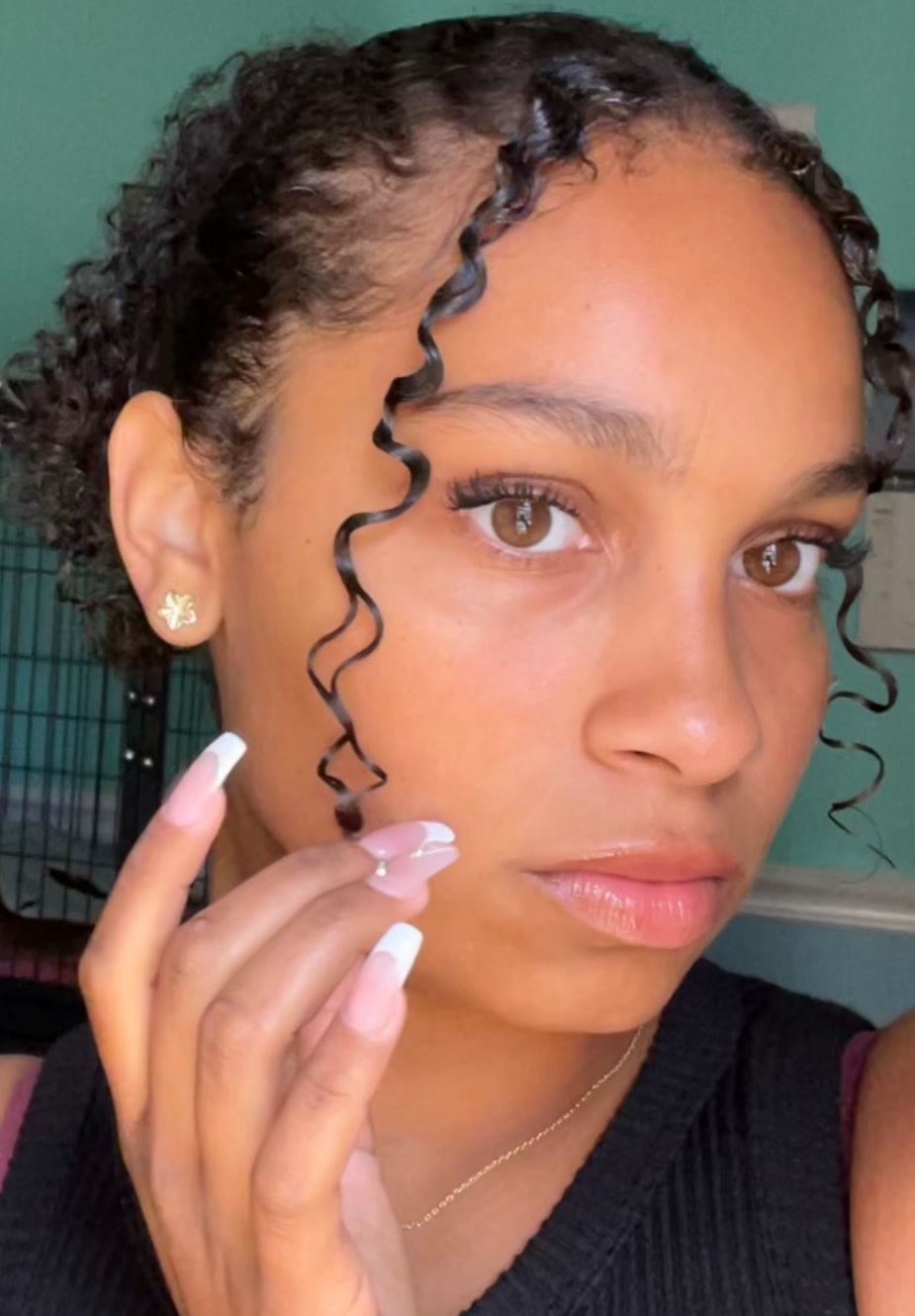
Courtesy of Erika Easy
Erika Easy
But we also know that across the country, Black and Latino students, like us, are underrepresented in STEM majors and careers. According to the National Science Foundation, Black workers made up 8% of the STEM workforce in 2021, despite comprising 11% of the total U.S. workforce. Hispanic workers represented 15% of STEM workers, compared with 18% of all workers.
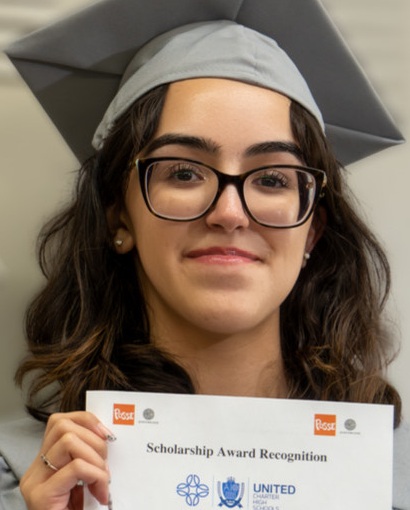
Courtesy of Angelina Rosario
Angelina Rosario
That gap doesn’t reflect a lack of talent. Too often, it reflects a lack of access to opportunities earlier on, like hands-on, project-based STEM learning in high school. These experiences not only develop technical skills and knowledge, they also spark curiosity, boost confidence and help students see themselves in STEM careers.
This is a challenge many schools serving low-income communities and students of color face because systemic inequities often limit access to enrichment opportunities. In wealthier communities, robotics labs, coding clubs and STEM competitions are often a given. But in economically disadvantaged areas, those experiences aren’t always built into the high school years. We wanted to help change that, starting in our own school community.
For our senior capstone project, we set out to expand early access to real-world STEM experiences for younger students. We found that while AMS offers a strong engineering elective, it’s only available to juniors and seniors. That means 9th and 10th graders must wait for opportunities to explore engineering and robotics in a hands-on way.
[Related: Afterschool STEM — Turning curiosity into careers and citizenship]
So this spring we launched an afterschool engineering and robotics club for underclassmen. We hosted coding activities, helped students build their first robotic prototypes and brought STEM learning to life in new and exciting ways. Interest was high, with 22 freshmen and sophomores participating. After attending the club, the number of students expressing a strong interest in robotics more than doubled — from 40% to 90%.
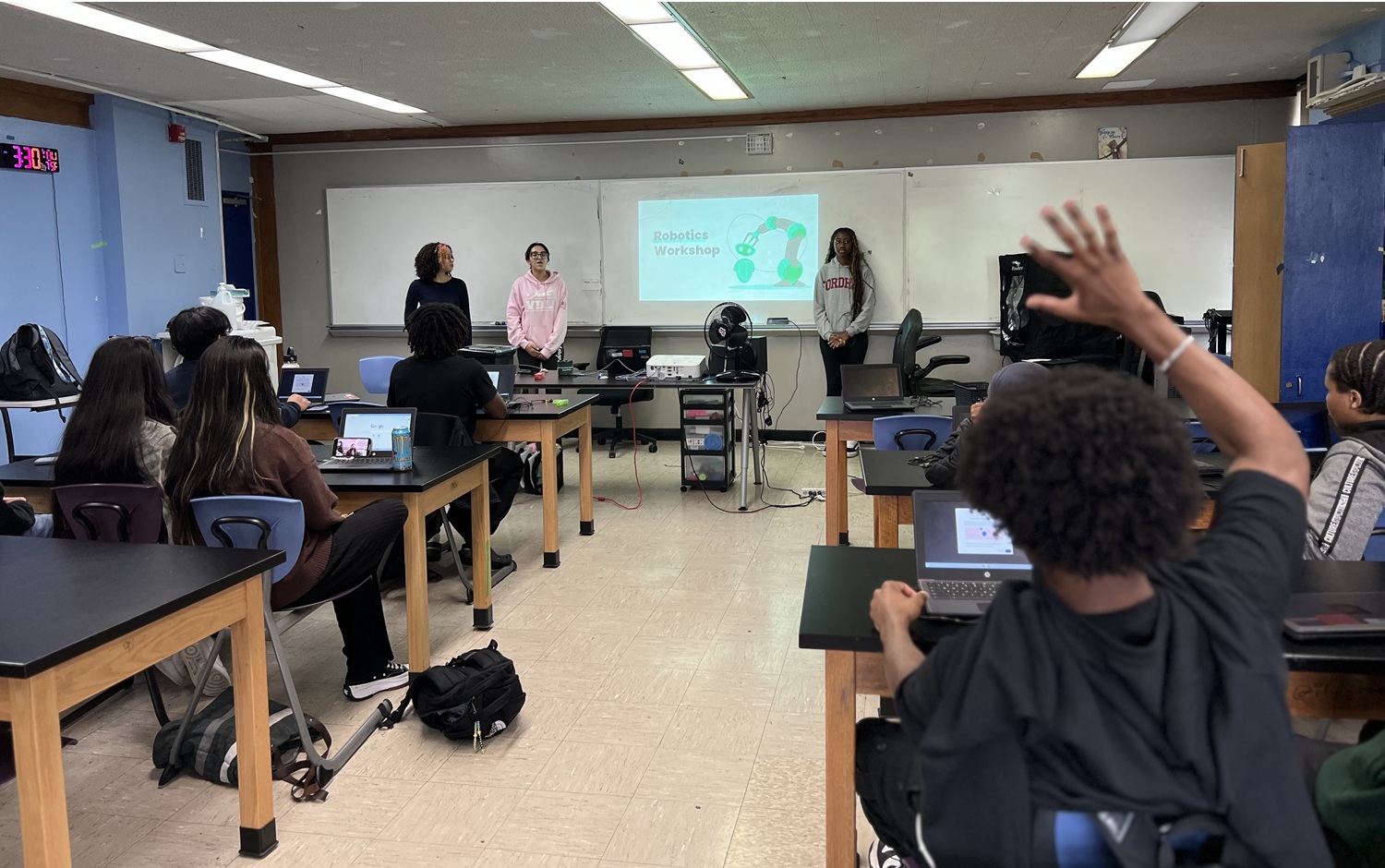
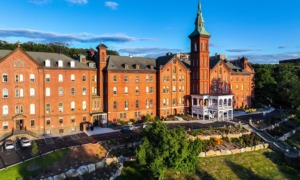
United Charter High School for Advanced Math and Science in the Bronx
A student raises their hand to ask a question during the robotics workshop.
Younger students told us they finally felt there was a space where they could explore STEM beyond textbooks. For many of them, this was their first opportunity to get hands-on with robotics. Seeing their excitement reminded us of our own early STEM moments.
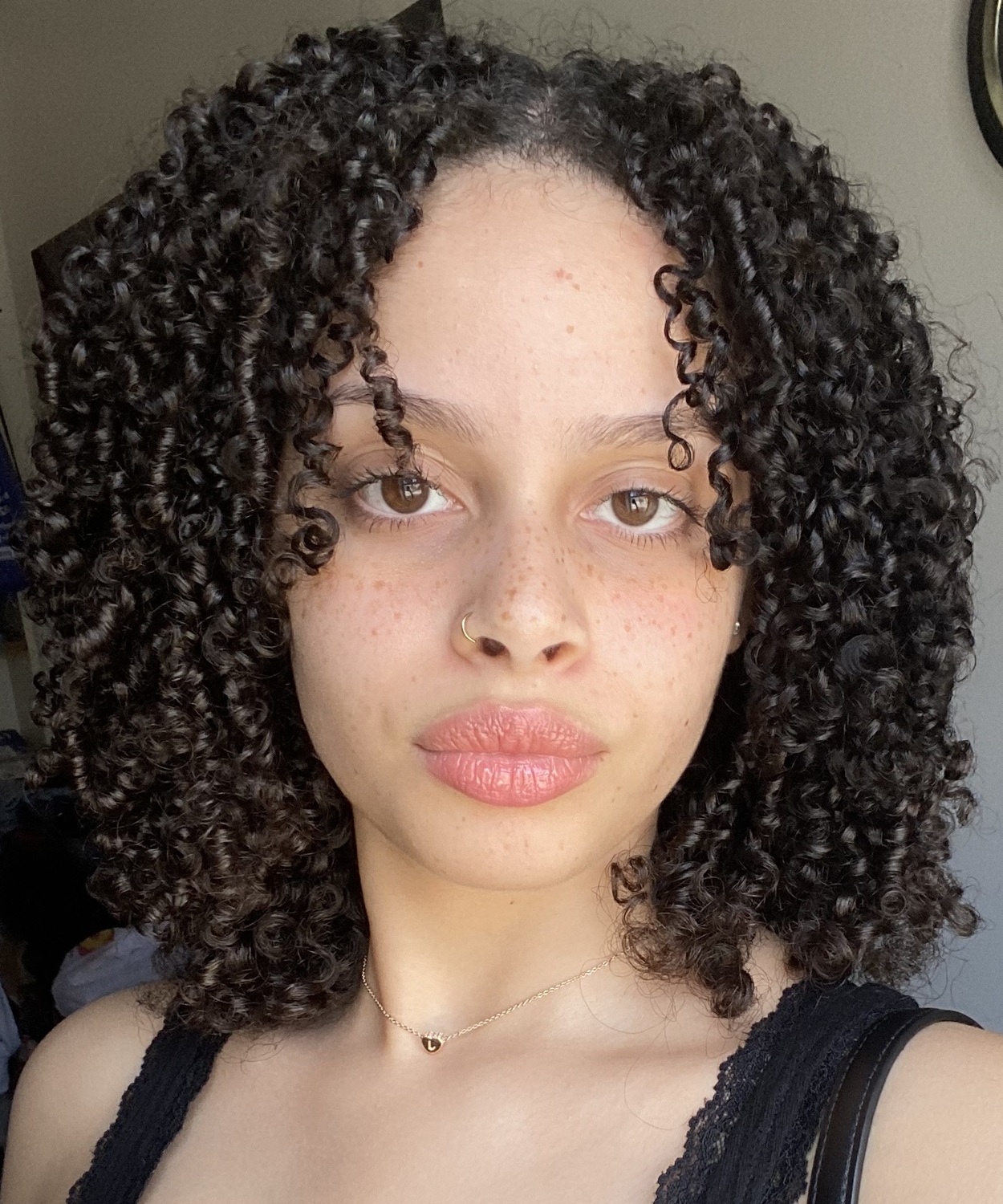
Courtesy of Jeanlis Ramos Rodriguez
Jeanlis Ramos Rodriguez
We know from experience that early exposure matters. We also know that peer-led efforts like ours can make a difference.
With this past spring being our final semester at AMS, we stayed focused on laying the groundwork for the future. We chose a student leader to carry the club forward, built a digital archive of activities and lesson plans, and secured support from AMS faculty. We even identified potential grants and partnerships to help sustain and grow the club long-term.
We hope the club continues to grow and helps more students — especially students of color — see that they belong in STEM and have a future in it.
Our school has given us the tools to lead and make change. This capstone project gave us the opportunity to create something that will last beyond our time at AMS. Across the country, schools like ours are full of talented students who are ready to shape the future of science and engineering. The key is giving them a chance to start building it early.
***
Erika Easy, Angelina Rosario and Jeanlis Rodriguez are recent graduates of United Charter High School for Advanced Math and Science in the Bronx. This fall, Erika will attend the University of Mount Saint Vincent, Angelina will attend Williams College and Jeanlis will attend Lehman College — all with plans to major in STEM fields.