
Heart disease remains the leading cause of death in the United States, and while its prevalence is higher among the elderly, the truth is that the clock starts ticking much earlier than we think. And right now, it’s ticking faster than ever.
The American Heart Association reveals that by age 18 many teenagers are already burdened with cardiovascular risk factors such as obesity, high cholesterol, high blood pressure and Type 2 diabetes, and some have heart issues knocking at their door. So why is it that adolescents are unaware of this risk?
It’s not because we don’t care. It’s because we’ve internalized the misconception that heart disease is a “later problem” — a distant storm cloud for the distant future. According to adolescent development research, adolescents tend to perceive themselves as invincible. So, we delay the conversation, thinking we have more time — except we don’t.
Enter lifestyle medicine, a field grounded in evidence-based approaches to prevent chronic disease through habits including nutrition, exercise, sleep, stress management, and social connection. An estimated 80 percent of heart disease can be prevented through lifestyle modifications. That’s the statistic we must focus on to ensure proactive instead of reactive care, and to ensure that we’re instilling healthy habits in youth rather than attempting to reverse unhealthy ones in adulthood.
Yet, when young people hear “eat healthier” or “exercise more,” it can come across as criticism and blame rather than genuine concern and guidance. Let’s face it: Lifestyle advice delivered from the top down (i.e., parents, teachers, physicians), even when well-intended, can often feel prescriptive, patronizing or simply out of touch. It can feel like another voice telling youth that their lives aren’t good enough, healthy enough, disciplined enough. The solution? Flip the script.
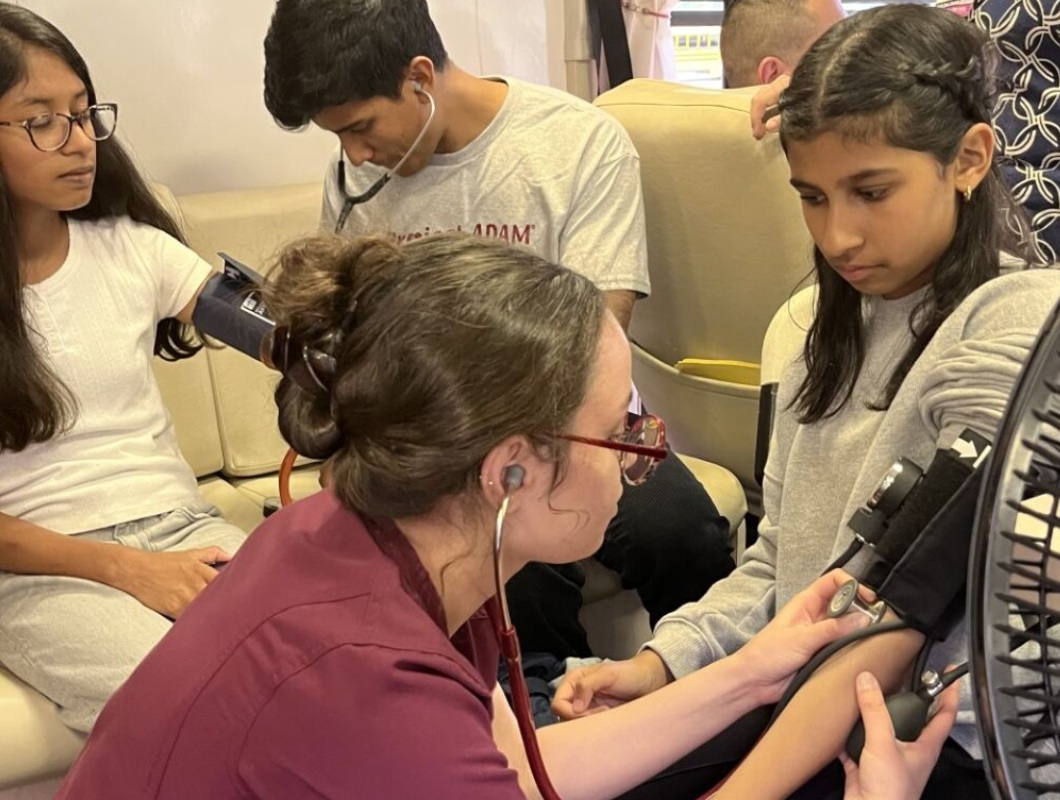
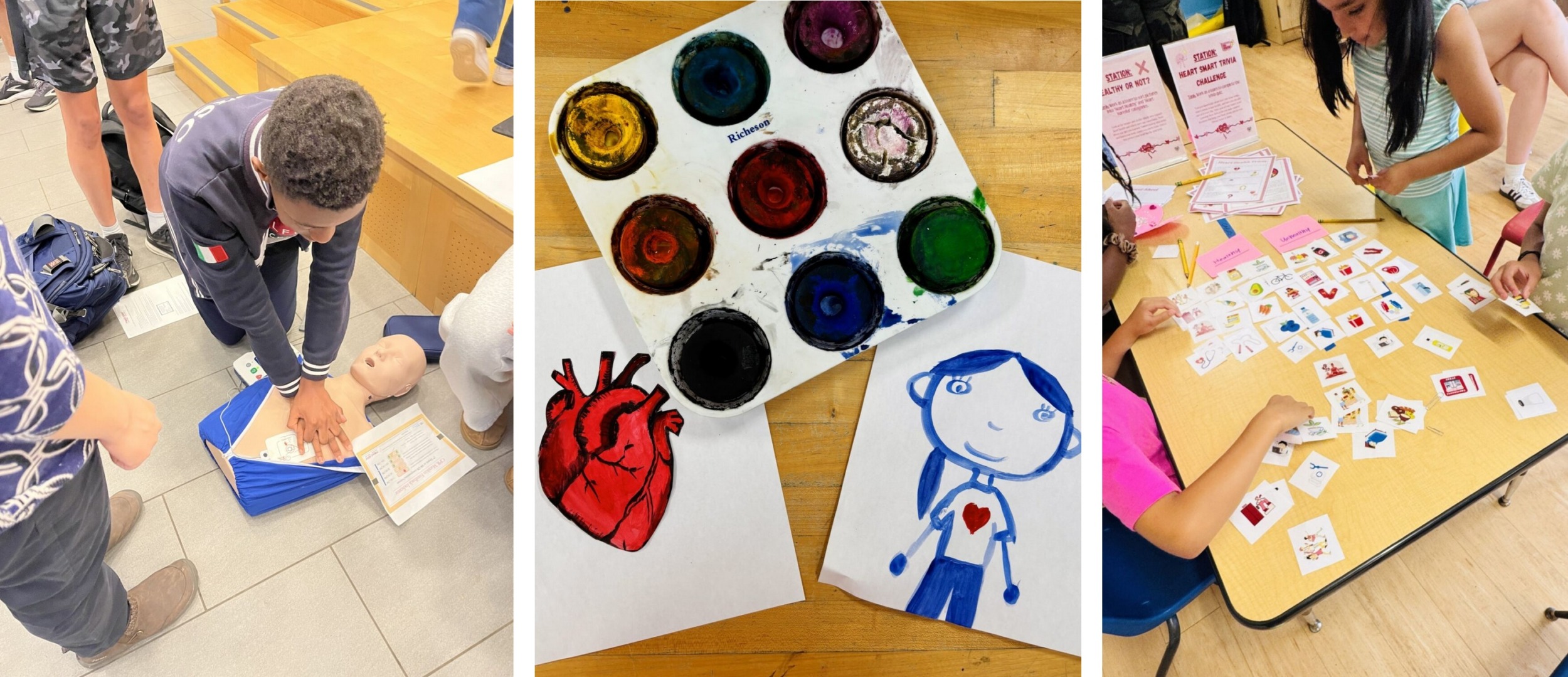
We need heart health conversations led by youth, for youth. That’s where Guardians of the Heart comes in. The student-led nonprofit committed to heart health promotion and disease prevention among youth follows precisely that ethos of empathy and empowerment. We lead not from above but from within. We show our peers the “what,” explain the “why” and then walk alongside them for the “how.” Through health fairs, heart screenings, storytime workshops, arts and crafts activities and lifestyle medicine scavenger hunts, we strive to make heart health education cool, not clinical. Engaging, not intimidating. And realistic, not idealistic.
Guardians of the Heart
Young students and children participate in various cardiovascular health education activities at a Guardians of the Heart event.
Peer-led education can be more effective than traditional adult-led efforts, particularly when it comes to behavior change during adolescence, a phase defined by the search for autonomy and identity. Thus, the messenger matters. A friend encouraging you to swap soda for water or inviting you to join them for a run doesn’t feel like judgment. It feels like solidarity. And ultimately, the choice to make that change is still yours.

Courtesy of Alina Yang
Alina Yang
Whether peer led or delivered by caring, connected adults, strategic education must do more than simply throw facts at young people and expect behavior to shift. Adolescents live in a world of fast information and faster food. They’re navigating stress, identity and social and academic pressures, and are consequently often limited in both time and access to healthy options. Telling them to “just cook more vegetables” may be about as helpful as telling someone in a burning building to “relax and breathe.”
Instead, we should meet young people where they are, both physically and emotionally. That means:
- Extending outreach to food pantries, pediatric clinics, school nurses’ offices, community centers, fitness studios and across social media to bring education and activities directly into their everyday lives, rather than waiting for them to seek us out.
- Integrating heart health into school and youth programs’ culture through student-led clubs, podcasts, peer-led health classes or themed advisory days.
- Offering platforms for youth to share their own stories about health, family history, cultural approaches toward prevention and community resilience.
Together, let’s build a community where youth heart health is prioritized, promoted and preserved.
***
Alina Yang, a student at Scarsdale High School, is the founder and president of Guardians of the Heart, where she works to raise awareness, educate and advocate for preventive cardiovascular care among youth, inspired by her family history of heart disease and her aspirations of pursuing a career in cardiology. Passionate about giving back, Yang is deeply involved in community service with various cardiovascular and public health organizations, striving to make a meaningful impact both locally and beyond.