
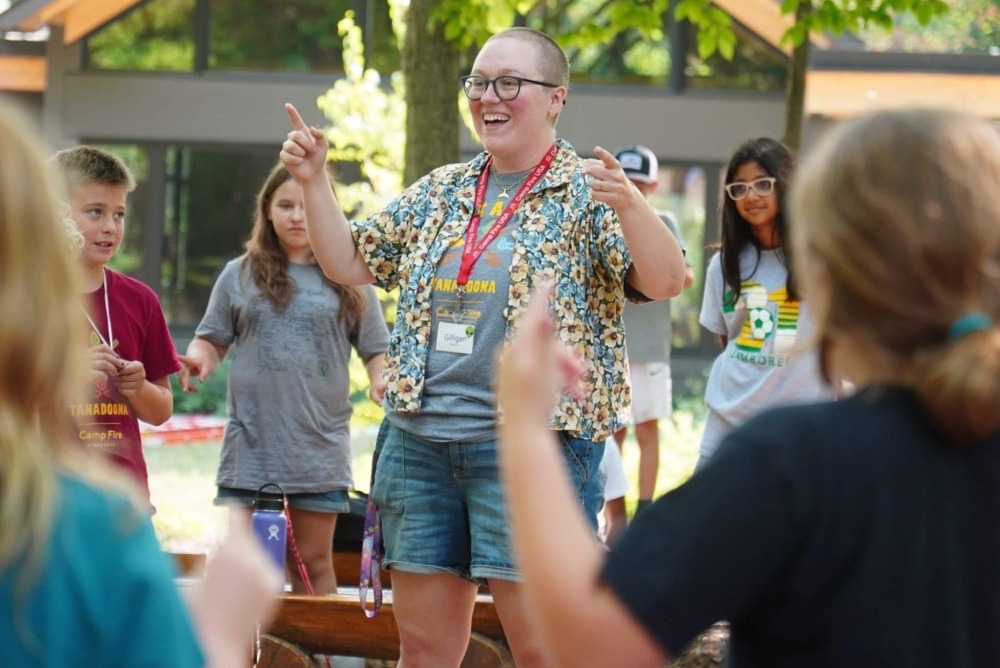

Young people want programs where they will belong.
I had a mentor early in my career in youth development who said something that initially confused me but has really stuck with me: “We could bring kids to the water park every day, but they wouldn’t keep coming to the program.”
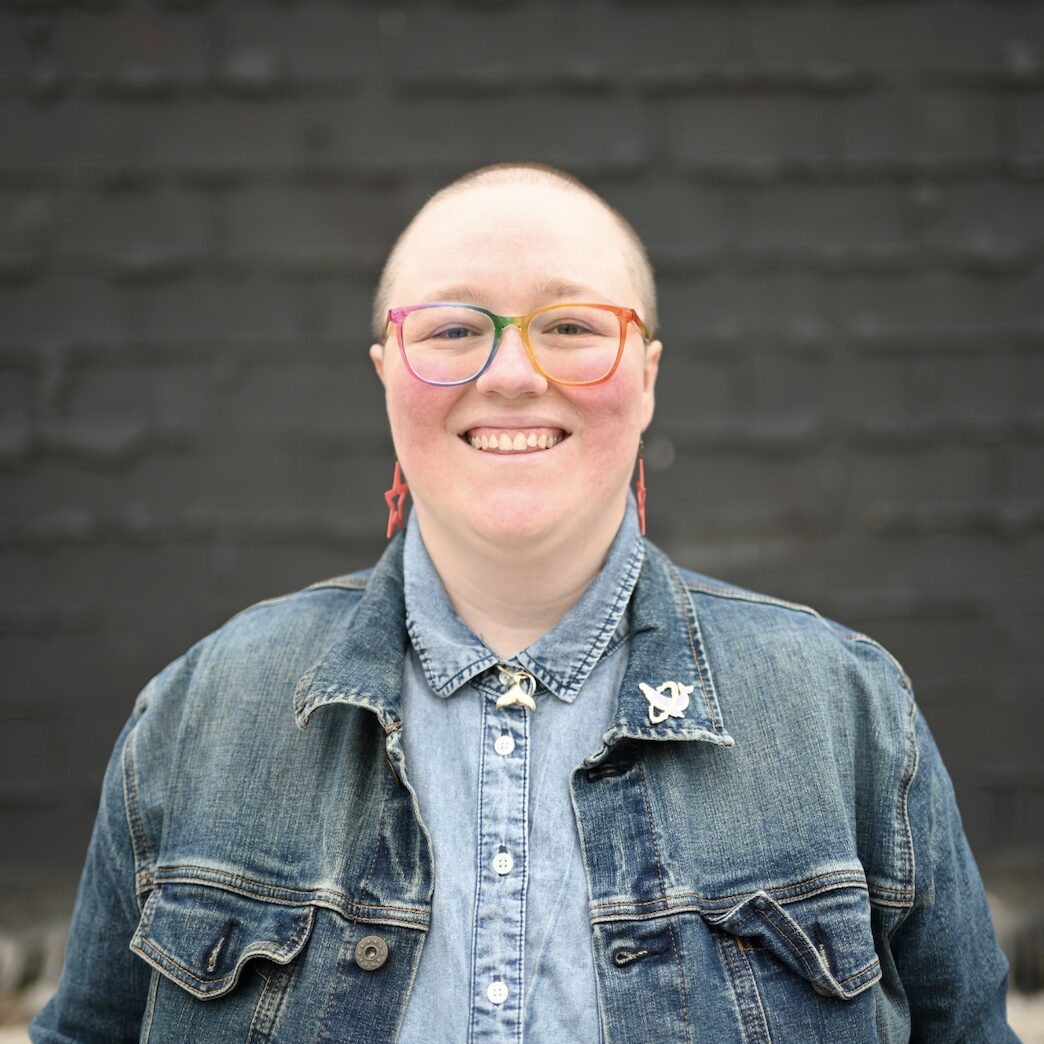
Courtesy Gilbert
HK Gilbert, senior manager for program services, Camp Fire National Headquarters
At first glance and in my inexperience I questioned that. Wouldn’t that be the program every kid would want to sign up for? But as I got older, I learned at a deep level what that mentor meant:
Young people want more than a theme park can offer. They want purpose, they want learning and they want connection.
In fact, a 2022 study commissioned by the Wallace Foundation on youth perspectives on designing equitable out-of-school experiences demonstrated that young people choose their afterschool programming largely based on one key factor.
It’s not how awesome or state-of-the-art the activities are. Young people want programs where they will belong — no discriminatory language from staff or participants, no cliques where they feel left out.
There are so many ways we can think about belonging, and so many identities affected by exclusion — but for the purpose of this piece and for Pride month, I am going to focus on kids who are transgender or nonbinary.
Let’s be frank: It’s a very hard time to be a trans kid.
Even if your parents accept your identity, the world is debating your existence, your right to access healthcare, restrooms and lockers, and even your right to play sports with your friends. The president is talking about you. Congress is debating about you. Your state legislature is debating about you. Your community, your place of worship, your family — everyone has eyes on you. In many cases, they aren’t just talking — they are acting. Deciding what you are and aren’t allowed to say, do, dress and read about.
[Related: From camper to staff — How one camp’s mission changes lives]
Growing up is hard enough, but it’s much harder in a world that’s targeting you. The Trevor Project researched the impacts of these debates and, in a 2023 study, found that 86% of transgender and nonbinary youth say recent debates around anti-trans bills have negatively impacted their mental health.
As youth development professionals, we have a choice.
We can build spaces that welcome all youth. When we do build those inclusive program spaces, those worries can melt away — at least while youth are in our programs. We can use the requested names and pronouns for kids — and not share them with others (such as parents) without the consent of the young person. We can stop grouping for activities by gender — such a simple practice would immediately be more welcoming to trans kids. We can wear a pride flag on our lanyard or share our own pronouns. We can make sure they have access to a safe and affirming restroom. We can share a story of a trans trailblazer. We can create group expectations that ensure kids are never bullied or excluded for who they are.
Many of these actions are small to us, but enormous to a trans kid.
At Camp Fire, we’ve been focusing on these and other practices, hoping to welcome and include gender expansive youth. And it’s been profound for the young people we serve. In our first-of-its-kind study on the impact of gender-affirming camp spaces, we heard from campers and their families about the impact of these practices. One camper said this about a simple experience — seeing a Pride Flag when they first arrived at camp:
“Yeah, it kind of shocked me because I didn’t know what [camp] was gonna be like, at all. When I saw that, it made me really excited. And I felt safer with the adults, because sometimes you never know how adults will react to things. But the adults are doing that. So it makes you feel much better.”
The bottom line is this: LGBTQ+ youth with at least one affirming adult in their life are 40% less likely to attempt suicide.
Youth want to belong, but on an even more fundamental level, they need to belong. We all do. Afterschool programs, camps, mentoring programs — anytime we work with youth — we must take it as an opportunity to be that affirming adult. We might save a life in the process.
I’ll leave you with a quote from another young person who reflects beautifully on being able to simply be themselves, free of judgment:
“Meadow games are fun, because it really took me back to my childhood, feeling like, you can be yourself completely and you’re just having fun running around in the meadow playing hide and seek or tag or balancing on a balance beam or making friendship bracelets. It was nice to not have to worry about the sort of things that you would worry about in an everyday situation like ‘oh no, my chest is protruding a little bit’ or ‘oh no, my voice sounds a bit too high-pitched.’”
[Related Q&A: From summer slide to summer glide — Blending learning, engagement and fun]
Young people are telling us what they need and want. Now it’s up to us to co-create with them spaces where everyone can be themselves completely and truly belong.
***
HK Gilbert brings over 14 years of experience in creating safe and inclusive spaces for young people in outdoor, educational and afterschool settings. As senior manager for program services at Camp Fire National Headquarters, Gilbert leads resource support and training initiatives for affiliates nationwide, enhancing program effectiveness and professional development.