
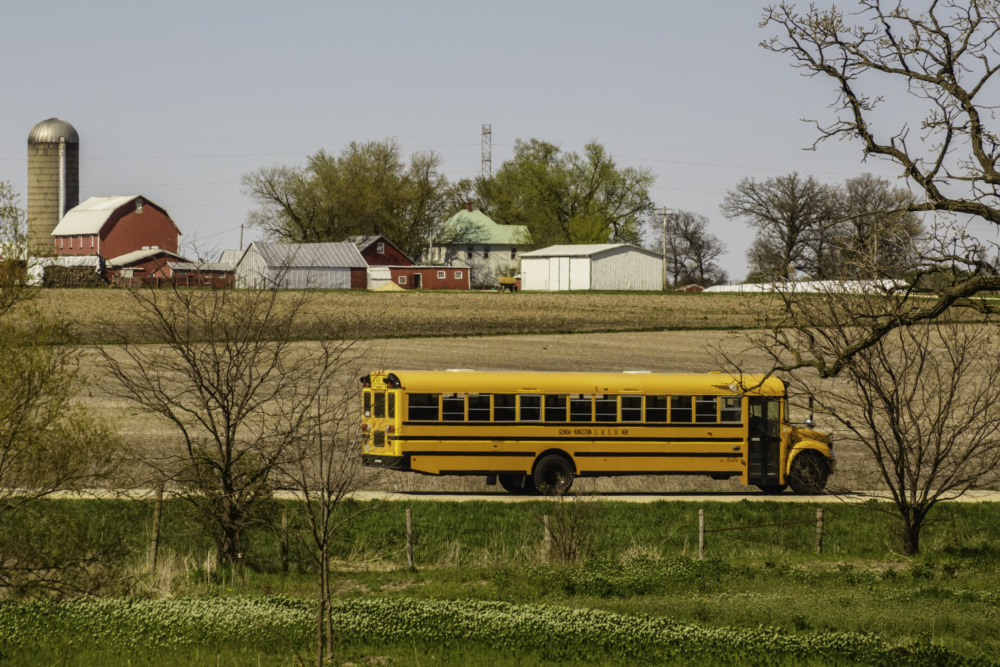
Growing up in rural Kentucky, I experienced firsthand the beauty and challenges of rural life. It’s a place where community runs deep, but also where opportunities can feel scarce and the world outside can seem far away.
As I celebrate 17 years at the Alliance for a Healthier Generation and reflect on what I’m most proud of about our work, it’s the feeling of going full circle in places like Kentucky through partnerships with the University of Kentucky, Mammoth Cave National Park and multiple collaborations in Western Kentucky. I’m grateful to work with partners I consider friends to celebrate rural communities as a collective.
Young people in rural America hold incredible potential to create a kinder and healthier nation.
To understand what rural youth need right now to unleash this potential, I spoke with educators from Idaho, Mississippi, Kentucky and Alaska who work with these kids every day.
The Conversations
To introduce everyone, I asked each of them to share three words about what rural youth need.
“Adults who care.” — Krys Potter, AmeriCorps member, teacher, teen mentor, Community Youth in Action, Idaho Falls, Idaho
“Inspiration, security (financial, physical, familial) and help.” — Alexander Smith, educator, Columbia, Mississippi
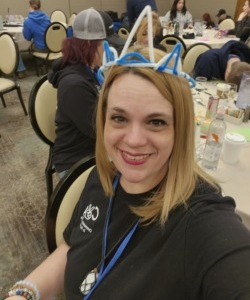 Courtesy K.Potter Krys Potter |
 Courtesy A. Smith Alexander Smith |
“Opportunities, encouragement and mentorship.” — James Ouderkirk, youth pastor, First Baptist Church of LaCenter, Kentucky
“Support, opportunity and resources.” — Dorothy Jarchow, 21st Century Community Learning Center grant director, Kake City Schools, Alaska
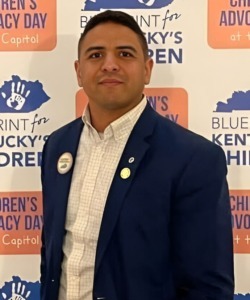 Courtesy J. Ouderkirk James Ouderkirk |
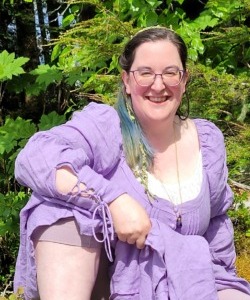 Courtesy D. Jarchow Dorothy Jarchow |
What do rural kids need to hear, see and experience?
“They need to know they matter. That their voice can make a difference.” — Potter
“In my small town, many kids are growing up too fast, often raising themselves. They need positive stories that resonate with them, role models who practice what they preach and the courage to dream bigger than the small town around them. It’s vital they see that the world is bigger than what they know. If they realize there are countless opportunities out there, they’ll find the drive to pursue them.” — Smith
“Rural kids need to feel seen and heard. Many feel overlooked, believing they’re competing with others from larger, more prepared places. They need to know opportunities are for them too.” — Ouderkirk
“Kids in rural Alaska need to know they can get a quality education without sacrificing their culture or identity. They need to see adults who have succeeded without leaving their roots behind. They need resources — like health services and internet access — to help them pursue their dreams, contribute to their communities and enrich their culture.” — Jarchow
[Related: Using different words to find common ground]
How can educators help?
“We should listen and not judge.” — Potter
“The most effective approach is balanced compassion with firm guidance. Our kids need to know they’re held accountable, but that we’re also patient. Changing habits takes time, but these kids are worth the effort. Even if I sometimes feel isolated in my care for them, I know that if I keep showing up, they’ll eventually find hope and begin to care for themselves.” — Smith
“It’s not just about teaching in the classroom. It’s showing kids that someone believes they’re worth the investment. Even if they don’t reach their goals, knowing they’re not alone can make all the difference.” — Ouderkirk
“Patience and adaptability are key. Understanding local culture and customs allows us to provide the right kind of support tailored to the community’s specific needs.” — Jarchow
What final reflection or advice would you offer to others working with rural youth?
“I got into this work because I want to make a difference in the lives of youth. It’s rewarding to witness how my efforts and those of my team positively impact the kids we serve.” — Potter
“At the end of the day, kids in rural America are just that — kids. They can be taught, encouraged and inspired. Rural America offers calm, tight-knit communities and steady routines, but it also poses challenges — fear of the unknown, resistance to change and limited opportunities. But these kids are the future. If they could see the incredible potential they have to make a difference, we’d be witnessing something extraordinary.” — Smith
“Remember: Don’t try to do everything yourself. Empower others to help.” — Ouderkirk
“Rural kids often miss out on resources due to population size. But in places like Kake, Alaska, while we may lack some material resources, we are rich in cultural traditions and community support. These kids deserve the same quality education and opportunities as any child in a well-funded city.” — Jarchow

I close with a question for each of you: What’s one step you can take to bring their advice to life?
Related Grant Opportunity: Youth inequality and outcomes research grants
***
Daniel W. Hatcher is the senior director of strategic partnerships for the Alliance for a Healthier Generation, where he has served since 2008. A nationally recognized workshop facilitator, he has spoken at education and youth development conferences in over 35 states and Canada. Hatcher recently authored a chapter in “Wonder Libraries,” highlighting the power of play and nature for healing and health.
Alliance for a Healthier Generation work with schools, youth-serving organizations, businesses, communities and families, to promote health equity environments that support whole child health. Their work has positively impacted 31.1 million children across the country by increasing access to nutritious foods, high-quality physical activity, social-emotional support, and tobacco-free environments.