

Youth Today
All posts tagged "afterschool"
-

 541Opinion
College students can help close the gap between demand and availability for afterschool programs
These collaborations benefit the institutions and partner organizations, the college students serving in these afterschool program roles and local youth.
-

 1.4KOpinion
Why unconstrained kids need unconstrained ecosystems
Understanding developmental pathways of constrained and unconstrained skills helps realize the importance of learning ecosystems.
-
 1.6KFrom the Field
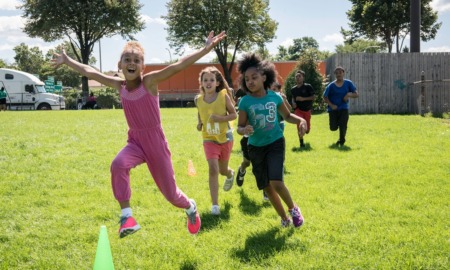
Unmet demand for afterschool programs is painfully high: 3 in 4 youth missing out
Middle- and lower-income families struggle to access afterschool programs because of cost, availability and accessibility.
-

 1.8KOpinion
Is the youth development field confident enough about its contributions to learning to disrupt K-12 education?
We must recognize the youth development and OST fields as complementary systems that are too important to ignore and essential.
-

 2.2KFrom the Field
Afterschool STEM: Turning curiosity into careers and citizenship
A growing body of evidence shows that high-quality afterschool STEM programs excite and engage youth.
-
 2.3KFrom the Field
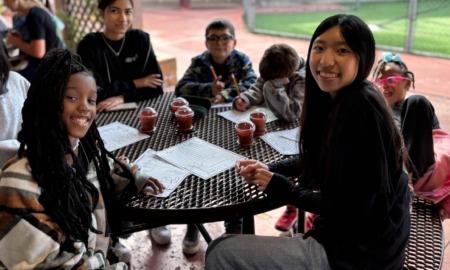
Expanding horizons, essential relationships: The evidence of afterschool impacts
We learn and grow through relationships — and when these are paired with high quality learning and leadership opportunities, real transformation happens.
-

 2.0KOpinion
Weissberg and Durlak’s 18-year-old S.A.F.E model is a sure bet for our current workforce challenges
The SAFE programs had significant effects in almost every outcome area.
-

 1.6KOpinion
Investing in the OST workforce: Dreaming big and starting small
How do we support youth workers to ensure they stay in the OST workforce?
-
 1.7KFrom the Field
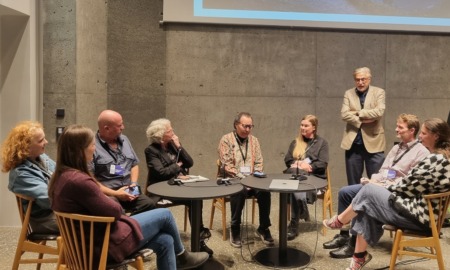
Field report: New opportunities to explore extended learning and youth development across the globe
Highlights from the Global Extended Learning and Youth Development Association (GELYDA) first annual conference.
-
 1.6KNews
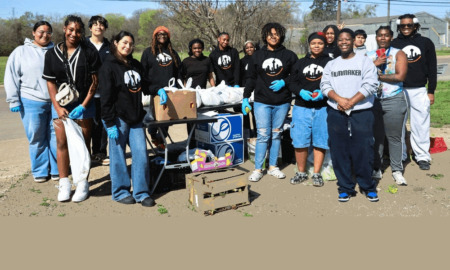
In Dallas, a Big Thought is brewing about how cities can help their children grow
Big Thought provides youth with opportunities to learn how to think and act creatively.
-

 1.8KNews
Out-of-school programs play an outsized role in child development
New research shows that OST programs are more important than policymakers and parents realize.
-

 933Grants
Indiana residential youth camp improvement grants
GRANT FOCUS: Youth Camps, Youth Development, OST, SEL, Indiana | Amount: Up to $10,000,000 | Deadline: June 9, 2025
-

 1.3KOpinion
In learning ECOsystems OST must be a champion of positive youth development
OST and youth development are not interchangeable. One is about place, one about approach.
-

 1.7K► Reports
The future of youth development: Building systems and strengthening programs
A report examines the effectiveness of OST programs, identifies improvements, and outlines future research.
-

 902Grants
Chicago underserved community health, well-being, education and economic empowerment grants
GRANT FOCUS: Child/Youth Health/Welfare, Education/Development, Job/Career Training, OST, Chicago | Amount: $10,000 - $20,000 | Deadline: Apr. 30, 2025
-

 3.9KOpinion
Ending AmeriCorps funding means closing afterschool programs
AmeriCorps funding cuts would make a bad situation for afterschool programs even worse.
-
865Grants
Rochester, NY area youth summer learning program grants
GRANT FOCUS: Summer Programs/Learning, OST Learning, Education, Rochester, NY | Amount: ~21,000 - $120,000 | Deadline: Jan. 31, 2025
-

 2.3KNews
‘Opportunities,’ not poverty alone, predict later-life success for children
‘Opportunity gap’ between rich and poor children can come down to six missed chances.
-

 1.9K► Reports
26-year study of early child care and youth development enrichment opportunity gaps and educational success
The opportunity gap was a more powerful predictor of educational attainment than childhood poverty.
-

 1.9KOpinion
Schools can close summer learning gaps with these 4 strategies
Can school districts capitalize on the crucial summer months and make learning more equitable?